
What Locking Mailboxes Taught Me About Modern Trust
A stolen birthday card forced me to reconsider the quiet vulnerability of my front yard—and the small boundaries we build to feel safe again

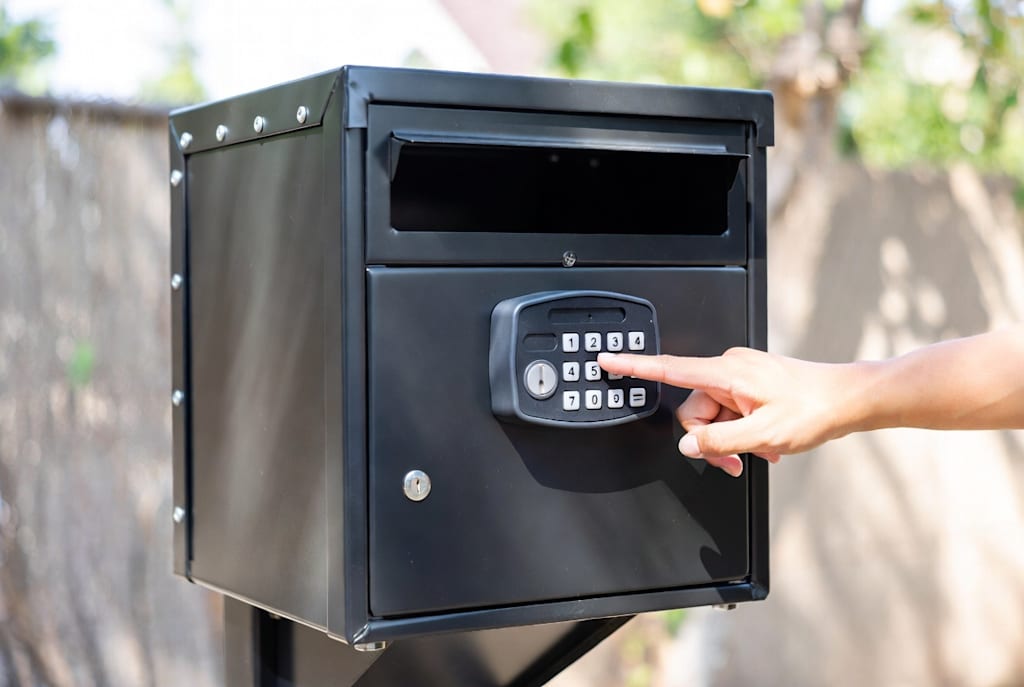
I never thought about my mailbox until someone else did.
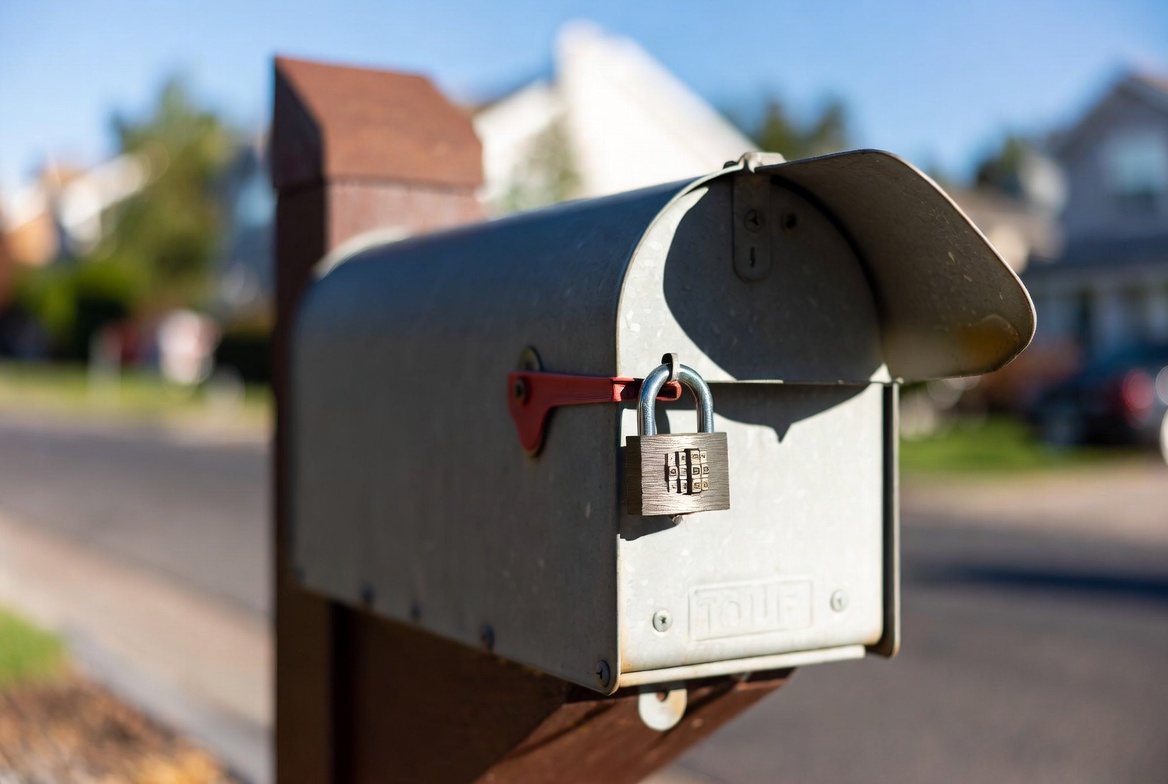
It sat at the end of my driveway like a faithful dog—dented, slightly rusted, utterly unremarkable. For three years, it swallowed catalogs, bills, and the occasional postcard without complaint. I checked it mechanically, usually while holding my phone, rarely making eye contact with the thing itself. It was infrastructure. Background noise. Unworthy of attention.
Then my grandmother's birthday card disappeared.
She had mailed it from her assisted living facility in Ohio, a tradition she'd kept for thirty-two years. Inside was a handwritten note and a twenty-dollar bill, crisp and folded into a tiny rectangle, the way grandmothers do. It never arrived.
At first, I blamed the postal service. Delays happen. Misdeliveries happen. But when my neighbor mentioned that three other households on our street had missing mail that same week, the pattern became obvious. Someone was opening boxes. Someone was taking what wasn't theirs, in broad daylight, while we were at work or asleep or simply looking the other way.
The violation felt strangely intimate. A thief in your car is invasive. A thief in your home is terrifying. But a thief in your mailbox? That's a quiet trespass. They didn't just take a card and twenty dollars. They took the assumption that some boundaries are still respected without force.
The Psychology of an Open Box
I started noticing mailboxes after that. Really noticing them. On my morning walks, I cataloged the neighborhood: who had locking cluster boxes, who still relied on the classic hinged-door models, who had installed surveillance cameras in fake birdhouses pointed directly at their curb.
The open mailboxes bothered me most. They stood there, gaping, full of visible envelopes. Credit card offers with names and pre-approved limits. Medical bills with account numbers. Checks from relatives. Packages left half-crammed inside, their corners visible, tempting, easy.
I learned that mail theft had surged nationally in recent years. The Postal Inspection Service reported thousands of incidents annually, and those were just the reported ones. Most people, like me initially, assumed their missing item was lost in the machinery of a vast federal system. We don't think to blame human hands reaching into our private correspondence.
There's something almost nostalgic about the traditional mailbox. It represents an America that trusted its neighbors. You left your door unlocked. You knew the mail carrier by name. Your business was your business, and no one would dream of rifling through it. That nostalgia, I realized, had become a liability.
The Lock as a Small Declaration
I replaced my mailbox with a locking model. Not a fortress—just a standard residential locking box with a small slot for incoming mail and a keyed door for retrieval. The installation took twenty minutes and a power drill. The psychological shift took longer.
Locking my mailbox felt, oddly, like an admission of defeat. I was acknowledging that my street wasn't as safe as I wanted it to be. That trust required infrastructure now, not just goodwill. That the twenty-first century had reached even the smallest rituals of my daily life.
But it also felt like reclaiming something. The click of the key in the evening became a small ritual of security. I no longer winced when I saw the mail truck drive away, wondering what would be there—or wouldn't—when I got home. The box itself became less of a receptacle and more of a boundary. A statement that this correspondence, however mundane, was mine to receive, not anyone else's to take.
Beyond the Single Home
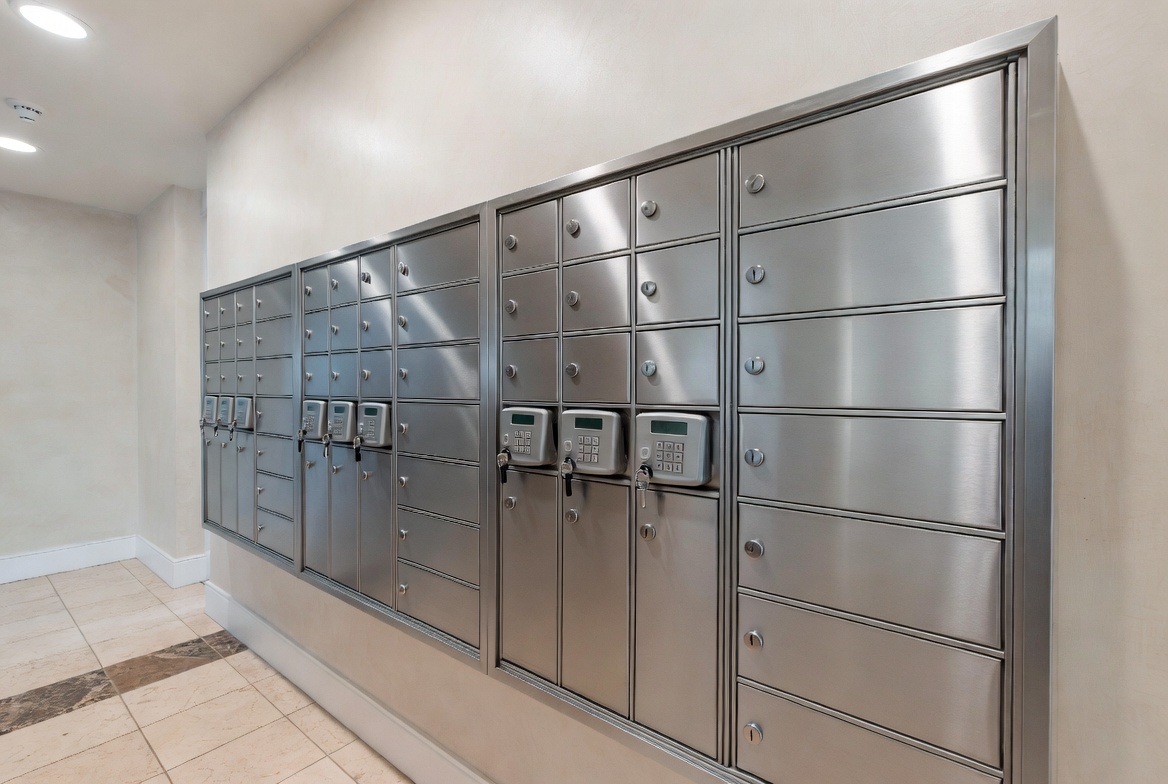
My apartment-dwelling friends have a different relationship with mail security. Their buildings use cluster box units—those standing rows of locked compartments that look like gym lockers for envelopes. Some complain about the walk to the central location. Some grumble about lost keys.
But when I visit, I notice something else. There's a shared accountability in those units. The mail carrier deposits. The resident retrieves. The lock mediates between public space and private life. In an era where we argue constantly about the boundaries between community and individual, these small metal doors represent a surprisingly elegant compromise. Shared structure, private contents.
I've started to see locking mailboxes as part of a larger conversation about dignity in daily life. We lock our cars, our phones, our online accounts with twenty-character passwords. But our physical mail—the documents that can be used to steal identities, the checks that represent hours of labor, the cards that say I love you in cursive—deserves at least the same modest protection.
What We Protect When We Protect Mail
My grandmother sent another card the following month. It arrived safely, slid through the narrow slot of my new box, resting in the locked compartment until I turned my key that evening. I stood in my driveway for a moment, holding it, feeling the strange weight of something that had traveled securely.
The twenty dollars was there, folded small. The handwriting was shaky but clear. The message was ordinary and precious.
I thought about the person who had taken the first one. Maybe they were desperate. Maybe they were cruel. Maybe they saw an open box as an invitation they couldn't refuse. I'll never know. What I know is that a small metal lock had restored something larger than mail. It had restored my confidence that some things, sent with care, could still arrive intact.
My mailbox is no longer background noise. It's a small, locked door at the edge of my property, guarding the thin paper threads that connect me to the people I love. And every evening, when that key turns, I hear it. A quiet click. A boundary held. A little bit of trust, rebuilt one envelope at a time.
About the Creator
Kiran Raghuvanshi
I'm a creative content writer & currently working as a freelance writer. Aspires to help my readers to shop the best and how to discover their personal style by sharing personal tips learned through both years of experience & research.
Enjoyed the story? Support the Creator.
Subscribe for free to receive all their stories in your feed.
Comments
There are no comments for this story
Be the first to respond and start the conversation.