
What Is the DTF Printing Process? A Clear and Practical Breakdown
Learn how modern printing brings vibrant designs to life

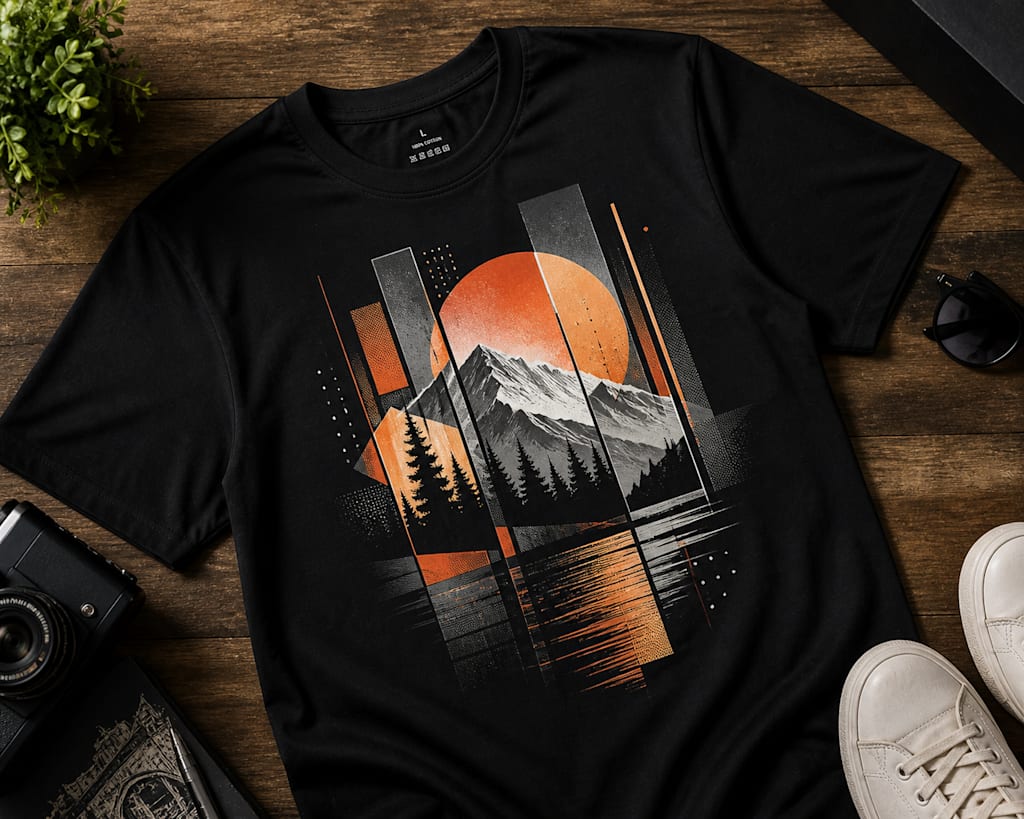
A small clothing brand receives an order for 50 custom t-shirts each with vibrant colors, fine details, and a soft feel. Instead of worrying about fabric limitations or complicated setups, they turn to a method that handles it all with ease. That method is the DTF printing process, and it’s quickly becoming a go to choice for creators, startups, and established print shops alike.
Let’s walk through how it actually works, without the technical overload.
Why Is DTF Printing Gaining So Much Attention?
Traditional printing methods often come with trade-offs. For example, screen printing requires setup time and works best for bulk orders, while heat transfer vinyl can feel heavy on fabric. Even silk screen stencils, though reliable, demand more preparation and are less flexible for detailed or small-batch designs.
The DTF printing process (Direct to Film) solves many of these issues. It allows you to print designs onto a special film and then transfer them onto fabric using heat. The result is a durable, vibrant print that works on cotton, polyester, blends, and even darker materials.
It’s not just about convenience, it’s about versatility and consistency.
How Does the DTF Printing Process Work Step by Step?
Instead of starting with theory, imagine the process as a simple production flow:
1. Creating the Design
Everything begins with a digital design. This could be a logo, artwork, or custom graphic. Designers often use tools like Photoshop or Illustrator to prepare high-resolution files.
2. Printing on Film
The design is printed onto a transparent PET film using a specialized printer. Unlike direct-to-garment printing, the ink sits on the film rather than going straight onto fabric.
3. Applying Adhesive Powder
While the ink is still wet, a fine adhesive powder is sprinkled over the design. This powder is what allows the image to bond with the fabric later.
4. Curing the Film
The film is then heated to melt the adhesive powder. This step ensures the design is ready for transfer and improves durability.
5. Heat Press Transfer
The prepared film is placed onto the fabric and pressed using a heat press machine. After a few seconds, the film is peeled away, leaving the design perfectly transferred.
6. Final Touch
A second press may be applied to enhance softness and durability. The finished product feels smooth and flexible, not stiff or heavy.
What Makes DTF Different from Other Printing Methods?
If you’ve worked with methods like screen printing or vinyl, you’ll notice some key differences right away.
- No need for complex setup like multiple screens or silk screen stencils
- Works on various fabrics, not just cotton
- Handles detailed designs with gradients and small text
- Ideal for small orders and custom pieces
While screen printing still has its place for large bulk jobs, DTF offers a more adaptable solution for modern printing needs.
Where Is the DTF Printing Process Most Useful?
The flexibility of DTF makes it suitable for many use cases:
- Custom t-shirt printing businesses
- Print-on-demand services
- Small clothing brands are testing new designs
- Promotional merchandise like hoodies, bags, and caps
- Personalized gifts and event apparel
Because it doesn’t require large minimum orders, it’s especially popular among startups and independent creators.
Is the Quality Really That Good?
One of the biggest concerns people have is print quality and it’s a fair question.
DTF prints are known for:
- Bright and accurate colors
- Strong wash durability
- Soft feel on fabric
- Resistance to cracking or peeling
When done correctly, the results can rival or even exceed traditional methods. The key is using quality materials and maintaining proper temperature and pressure during transfer.
What Are the Limitations You Should Know?
No process is perfect, and DTF is no exception.
- Initial setup cost for printers and equipment can be high
- Requires proper handling of powder and curing steps
- Not as fast as screen printing for very large bulk orders
Still, for most modern printing needs especially custom and short-run work the advantages outweigh the drawbacks.
How Does It Compare to Silk Screen Stencils?
While silk screen stencils have been a cornerstone of garment printing for years, they are best suited for repetitive designs and large quantities. They involve preparing separate screens for each color, which can be time-consuming.
In contrast, the DTF printing process skips those steps entirely. You can print multi-color designs in one go, without extra setup. This makes it more efficient for detailed artwork and on-demand production.
Is DTF Printing Right for You?
If you’re someone who values flexibility, design freedom, and the ability to produce smaller batches without sacrificing quality, DTF is worth considering.
It’s particularly useful if you:
- Want to start a custom apparel business
- Need quick turnaround times
- Work with varied fabric types
- Focus on unique or complex designs
Final Thoughts
The DTF printing process isn’t just another trend—it’s a practical evolution in how custom prints are made. By removing many of the limitations found in older methods like silk screen stencils, it opens the door for more creativity and efficiency.
Whether you’re a beginner exploring printing options or a business looking to expand your capabilities, understanding this process gives you a clear advantage. It’s simple in concept, powerful in execution, and built for the way modern printing works today.
About the Creator
Deborah Larson
Deborah Larson is a professional writer and lifelong learner who shares her knowledge, insights and creative thoughts through her blog.
Enjoyed the story? Support the Creator.
Subscribe for free to receive all their stories in your feed.
Comments
There are no comments for this story
Be the first to respond and start the conversation.