
What is POS Design and How Can You Use it Best?
Point of Sale Design: What is POS Design and How Can You Use it Best
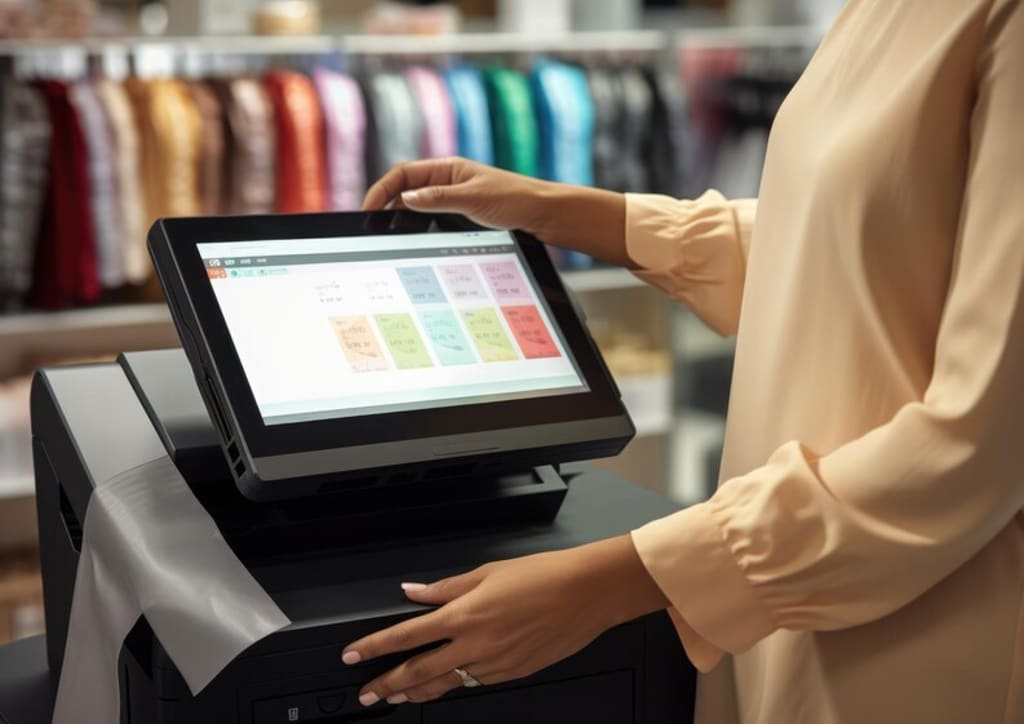
In today's retail world, businesses are always looking for ways to attract customers, increase sales, and improve brand visibility. One key strategy is Point of Sale (POS) design. Well-thought-out POS display can greatly influence consumer buying behavior, encourage impulse purchases, and make shopping better.
This blog will explore POS design, its role in retail, and how to use it effectively with retail display stands, retail display units, and point of sale displays to make a big impact.
1. What is POS Design?
POS (Point of Sale) design is about strategic placement, layout, and visual appeal of displays near checkout counters or high-traffic areas in a store. These retail display units aim to capture customer attention, promote products, and drive last-minute purchases.
- POS design can take many forms, including:
- Retail display stands showcasing promotional items.
- Countertop displays featuring small, high-margin products.
- End cap displays positioned at the end of aisles to highlight special deals.
- Freestanding retail display units for new product launches.
Digital POS displays integrating interactive elements for enhanced engagement.
Good POS design influences buying decisions by making products more visible, engaging, and easy to access.
2. Why is POS Design Important in Retail?
A well-done POS display offers many benefits for retailers and brands, including:
✅ Increases Impulse Purchases
Customers often make unplanned purchases when products are strategically placed near checkout counters.
Small, convenient, and frequently used items (like snacks, batteries, and travel-sized products) perform best in POS displays.
✅ Enhances Brand Visibility
Custom-designed retail display units allow brands to stand out in crowded retail spaces.
Creative branding elements (colors, logos, lighting) reinforce brand identity and recognition.
✅ Boosts Sales Without Extra Effort
POS displays act as a silent salesperson, encouraging additional purchases without requiring extra staffing.
Limited-time offers or seasonal promotions gain traction through effective POS placement.
✅ Optimizes Store Layout & Customer Flow
Strategically placed retail display stands guide customers through the store, improving their shopping experience.
Cross-merchandising techniques can increase average order value (e.g., displaying phone accessories next to smartphones).
3. Key Elements of Effective POS Design
To create an effective POS display, consider these essential design principles:
A. Strategic Placement
Position POS displays near checkout counters, store entrances, and high-traffic areas.
Use end cap displays to highlight special promotions and new arrivals.
Place smaller retail display units near impulse-buy areas.
B. Eye-Catching Visual Appeal
Use bold colors, large fonts, and appealing graphics to grab attention.
Incorporate lighting effects to enhance product visibility.
Keep the design clean and uncluttered to avoid overwhelming shoppers.
C. Clear Messaging & Branding
Signs should be simple, clear, and compelling.
Use action-oriented language like “Limited Offer,” “Buy 1 Get 1 Free,” or “New Arrival.”
Keep your branding consistent with your store and marketing.
D. Product Accessibility & Convenience
Make sure products are easy to reach to encourage interaction.
Organize products neatly on retail display stands for a better browsing experience.
Use modular retail display units to adjust layouts based on sales data.
E. Interactive & Engaging Features
Incorporate digital POS displays for dynamic advertising.
Add QR codes for quick access to online promotions or product details.
Use touchscreen kiosks for customer engagement and information.
4. Types of POS Displays and How to Use Them Best
Knowing the different POS displays helps retailers pick the right design. This depends on the store layout, target audience, and promotional goals.
A. Retail Display Stands
Best for: Highlighting seasonal promotions, new arrivals, and featured products.
Usage Tips:
Place at the store entrance to attract walk-in customers.
Use branded stands to reinforce brand identity.
Rotate product offerings frequently to maintain interest.
B. Countertop POS Displays
Best for: Small impulse-buy items like candy, gift cards, and travel accessories.
Usage Tips:
Keep attractive packaging and pricing visible.
Offer combo deals to increase basket size.
Use clear signage to highlight promotions.
C. End Cap Displays
Best for: Promoting limited-time offers, discounts, and best-selling products.
Usage Tips:
Use bold signage and contrasting colors to grab attention.
Feature complementary products (e.g., pasta sauce next to pasta).
Keep displays fully stocked and organized to maintain appeal.
D. Freestanding Retail Display Units
Best for: Large retail spaces and new product launches.
Usage Tips:
- Design for maximum stability and durability.
- Incorporate shelves or hooks for easy product access.
- Position in high-traffic areas to capture attention.
E. Digital POS Displays
Best for: Engaging customers with interactive content and advertisements.
Usage Tips:
- Use motion graphics and video ads to enhance appeal.
- Incorporate touchscreen technology for product information.
- Update content regularly to keep it fresh and relevant.
5. Best Practices for Implementing POS Displays
Here are some best practices for retailers to maximize the effectiveness of POS displays:
✅ Test Different Display Locations – See which spots get the most attention.
✅ Leverage Seasonal Trends – Make displays fit holidays and special times.
✅ Use Limited-Time Offers – Offer deals to create a sense of urgency.
✅ Keep Displays Well-Stocked – Keep products neat and restock often.
✅ Track Sales Data – Check which displays work best and adjust.
6. Conclusion
POS design is a powerful marketing tool that can increase sales and customer interaction. It also helps make your brand more visible. Use retail display stands, retail display units, or digital POS display wisely. The secret to success is strategic placement, appealing design, and engaging messaging.
By using well-designed POS displays, retailers can offer an immersive shopping experience. This can lead to higher revenue and customer satisfaction.
Ready to optimize your retail space with high-converting POS displays? Start designing your perfect POS solution today!
About the Creator
Enjoyed the story? Support the Creator.
Subscribe for free to receive all their stories in your feed.
Comments
There are no comments for this story
Be the first to respond and start the conversation.