
What Defines a Well-Curated Wardrobe in Contemporary Fashion Contexts
Beyond Trends: How Intentional Dressing Has Redefined the Modern Closet

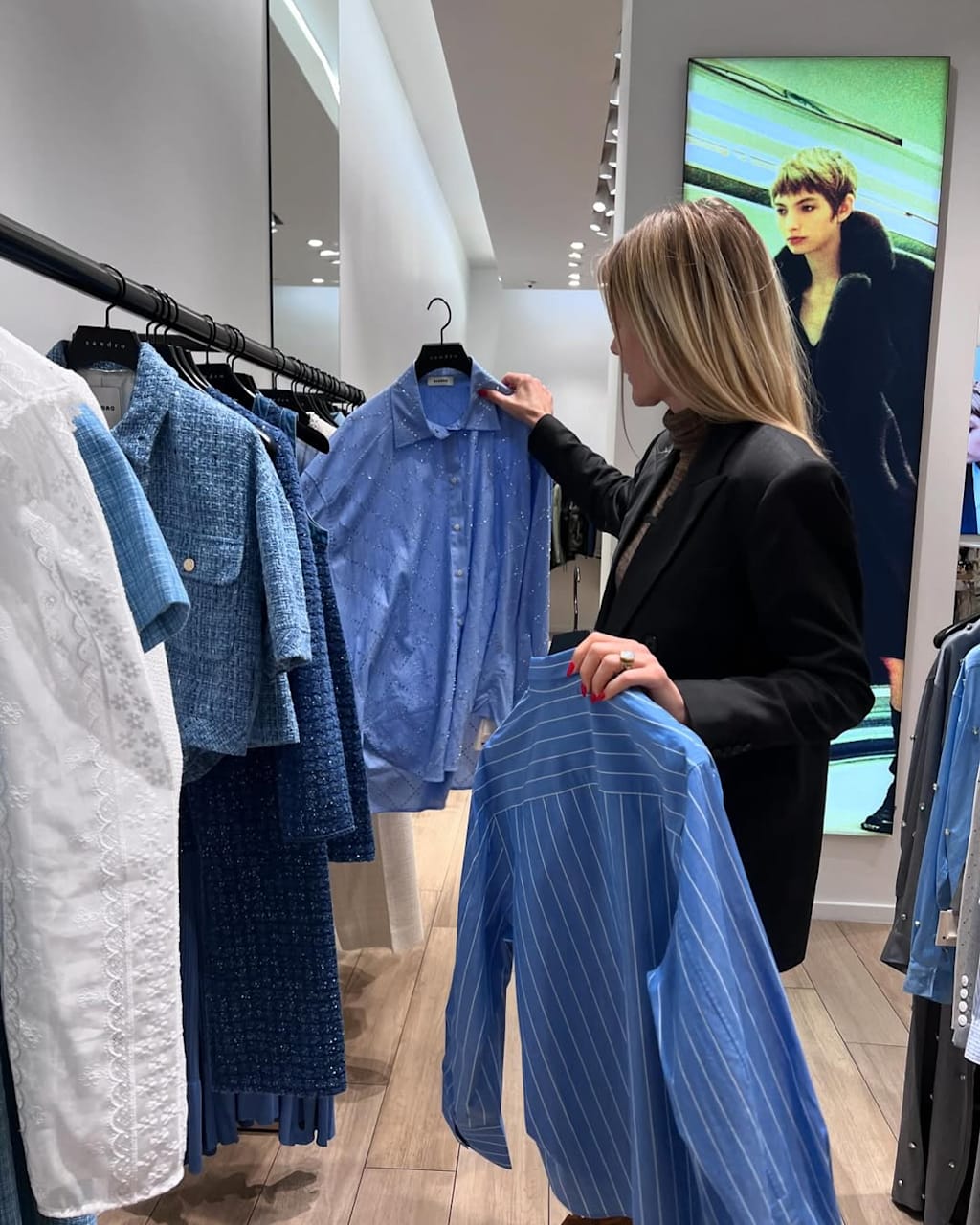
Fashion has always been a reflection of the times — shifting with cultural movements, economic climates, and evolving ideas about identity. But in recent years, a quieter, more deliberate conversation has taken shape around how people relate to their clothing. The concept of a well-curated wardrobe has moved from the vocabulary of stylists and fashion editors into mainstream discourse, reshaping how everyday consumers think about what they own, what they wear, and why it matters.
A well-curated wardrobe is not simply a tidy closet or a collection of expensive pieces. It is something more intentional — a considered selection of clothing that reflects personal identity, serves real lifestyle needs, and maintains a coherent visual and functional language. In contemporary fashion contexts, this idea has taken on added significance as sustainability, minimalism, and personal expression increasingly intersect with how people approach getting dressed.
Understanding what truly defines a well-curated wardrobe requires moving past surface-level advice and engaging with the deeper principles that make a collection of clothing genuinely work — not just aesthetically, but practically and personally.
The Shift From Volume to Intentionality
For much of the late twentieth century, more was more. Fast fashion accelerated this mindset significantly, making it possible — and even culturally encouraged — to own large quantities of inexpensive clothing that could be discarded and replaced with minimal financial consequence. Wardrobes expanded, but their quality, coherence, and utility often did not keep pace.
The cultural correction that followed was gradual but meaningful. Concepts like capsule wardrobes, slow fashion, and mindful consumption began gaining traction, not just among sustainability advocates but among a broader audience that had grown fatigued by excess. The question shifted from "how much do I own?" to "how well does what I own actually serve me?"
This transition toward intentionality is central to what defines a well-curated wardrobe today. Curation, in its truest sense, implies selection with purpose — the deliberate act of choosing what belongs and what does not. A well-curated wardrobe is not defined by its size but by the clarity of its composition. Every item has a reason to be there, whether that reason is versatility, quality, emotional value, or functional necessity.
In contemporary fashion contexts, this intentionality also intersects with a growing awareness of how clothing is produced. The decision to invest in fewer, better pieces often connects to broader values around ethical production and environmental responsibility, even when those values are not explicitly stated. The result is a wardrobe that reflects not only personal taste but a considered relationship with consumption itself.
Coherence as a Design Principle
One of the most defining characteristics of a well-curated wardrobe is visual and stylistic coherence. This does not mean uniformity — it means that the pieces within a wardrobe share a common language, whether that language is expressed through color, silhouette, texture, or mood.
Coherence allows for what stylists often describe as effortless dressing — the ability to reach into a wardrobe and find combinations that work without excessive deliberation. When a wardrobe lacks coherence, the opposite tends to occur: a closet full of clothes and nothing that feels right to wear. Individual pieces may be appealing in isolation, but they resist combination, creating a collection that is simultaneously abundant and limiting.
Building coherence does not require strict adherence to a single aesthetic. Contemporary wardrobes often reflect a range of influences — professional requirements, social contexts, personal interests, and cultural identity all play a role. What coherence does require is an awareness of how pieces relate to one another. A neutral color palette anchors variety. A consistent approach to fit ties together different styles. An understanding of personal aesthetic preferences helps filter out impulse purchases that look appealing on the rack but ultimately disrupt rather than complement what already exists.
In practice, coherence is often achieved through what fashion professionals call a wardrobe foundation — a core of versatile, high-quality pieces that function across multiple contexts and serve as the connective tissue for more distinctive or expressive items. These foundational pieces are rarely the most visually striking elements of a wardrobe, but they are often the most valuable in terms of daily utility and long-term wearability.
Quality Over Quantity: What It Actually Means
The phrase "quality over quantity" has become something of a fashion cliché, repeated so often that its practical meaning can feel diluted. In the context of a well-curated wardrobe, however, it points to something genuinely important — and more nuanced than simply spending more money on clothing.
Quality in contemporary fashion contexts encompasses several dimensions. Construction and material integrity are the most obvious: garments that are well-made from durable fabrics hold their shape, retain their color, and withstand repeated wear and washing far better than their lower-quality counterparts. This durability directly affects the long-term value of a piece, making a higher initial investment more economically rational over time.
But quality also extends to fit, which is arguably the most significant factor in how clothing performs in a real wardrobe. A well-fitting garment in a modest price range will consistently outperform an ill-fitting one regardless of its material or construction quality. Contemporary consumers increasingly recognize this, with tailoring and alterations becoming more normalized as part of the process of building a wardrobe that truly works.
There is also the dimension of personal relevance — a form of quality that is harder to quantify but no less important. A piece of clothing that genuinely suits an individual's lifestyle, body, and aesthetic sensibility has a quality that transcends its price point. A well-curated wardrobe is one in which most items meet this threshold, regardless of where they were purchased or what they cost. The goal is not luxury for its own sake, but suitability — clothing that works for the life being lived.
The Role of Personal Identity and Lifestyle Alignment
Fashion has always functioned as a form of communication, and the wardrobe is its most immediate expression. A well-curated wardrobe, in contemporary terms, is one that authentically reflects the individual who wears it — not a projected or aspirational identity, but an honest representation of how that person actually lives, moves, and presents themselves in the world.
This alignment between wardrobe and lifestyle is more significant than it might initially appear. Clothing that suits the realities of daily life — its social contexts, physical demands, and personal rhythms — is clothing that actually gets worn. A wardrobe filled with pieces acquired for hypothetical occasions or idealized versions of a lifestyle tends to accumulate unworn items, creating the paradox of feeling like one has nothing to wear despite owning a great deal.
Contemporary fashion culture has become increasingly supportive of this kind of personal authenticity. The influence of social media, while complex in its effects on fashion consumption, has also created space for a wider range of personal styles to be visible and validated. Dressing for oneself, rather than for trend conformity, has gained cultural legitimacy in ways that were less pronounced in earlier decades.
A well-curated wardrobe, then, is also a personal one — shaped by individual preferences, experiences, and needs rather than by external prescriptions about what a wardrobe should contain. The specific pieces that constitute a well-curated collection will differ significantly from one person to the next, because the lifestyle, aesthetic, and practical requirements they serve are different. What remains consistent is the underlying principle: intentional selection in service of authentic, functional self-expression.
Sustainability and the Long-Term Perspective
The contemporary fashion conversation around curation is inseparable from broader discussions about sustainability. The environmental and social costs of fast fashion have become widely understood, and this awareness has meaningfully influenced how many consumers approach building and maintaining their wardrobes.
A well-curated wardrobe inherently supports more sustainable consumption patterns, even when sustainability is not the primary motivation. By prioritizing quality, coherence, and genuine utility, curated wardrobes naturally resist the cycle of rapid acquisition and disposal that characterizes high-volume fashion consumption. Pieces are chosen more carefully, worn more frequently, and kept for longer periods — all of which reduce the environmental footprint of a wardrobe over time.
This long-term perspective is one of the defining features of curation as a practice. Rather than responding to seasonal trend cycles with new purchases, a curated approach asks whether a potential addition genuinely serves the existing wardrobe and the life of the person wearing it. This kind of deliberation does not eliminate the pleasure of acquiring new clothing — it simply brings a different quality of attention to the process.
The resale and secondhand markets have also become integral to how contemporary consumers think about wardrobe curation. Platforms dedicated to pre-owned clothing have normalized the idea that a well-curated wardrobe need not be built exclusively from new purchases, and that clothing can have multiple useful lives. This shift reflects a broader recalibration of how value is understood in fashion — one that aligns naturally with the principles of intentional curation.
Maintaining a Curated Wardrobe Over Time
Curation is not a one-time project but an ongoing practice. A wardrobe that is well-curated at one point in life may require significant reassessment as circumstances, tastes, and needs evolve. The discipline of regular review — honestly evaluating what is being worn, what is not, and why — is as important as the initial act of intentional selection.
This maintenance aspect of curation is often underemphasized in fashion content that focuses on the transformative moment of a wardrobe overhaul. In reality, the long-term coherence and utility of a wardrobe depend on consistent, incremental attention. Pieces that no longer serve their purpose — whether due to changes in fit, lifestyle, or personal aesthetic — benefit from being removed, making room for items that genuinely belong.
The goal is not a static wardrobe frozen at a particular moment of taste, but a living collection that evolves thoughtfully alongside the person it serves.
Conclusion
A well-curated wardrobe, in contemporary fashion contexts, is defined by intention, coherence, quality, and authentic alignment with the life of the individual who wears it. It is not a product of following rules or adhering to a particular aesthetic doctrine, but of developing a clear and honest understanding of what clothing needs to accomplish — practically, aesthetically, and personally.
As fashion culture continues to move toward greater thoughtfulness about consumption and self-expression, the curated wardrobe represents something meaningful: a rejection of excess in favor of sufficiency, and a recognition that the most functional wardrobe is one built not around what is available or trending, but around what genuinely works.
About the Creator
Elsab Styling
At ElsaB Styling, we specialize in providing bespoke, high-end personal styling services for high-net-worth individuals, CEOs, executives, and VIPs.
Enjoyed the story? Support the Creator.
Subscribe for free to receive all their stories in your feed.
Comments
There are no comments for this story
Be the first to respond and start the conversation.