
What 15 Years on Ohio Roofs Taught Me About the Shingle Scam
An inside look at building science, thermal decay, and why traditional asphalt roofs keep failing.

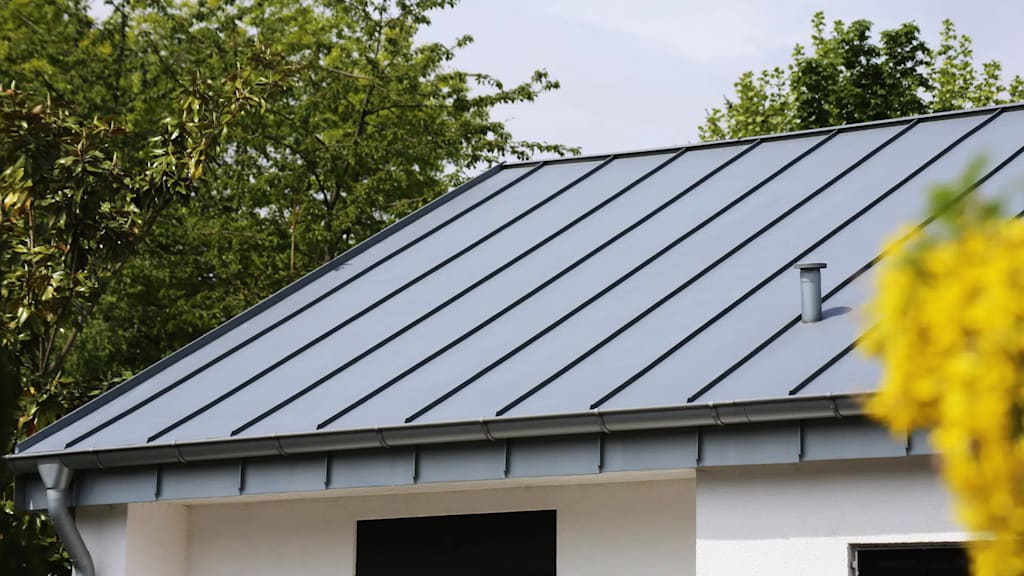
There is a specific sound every homeowner in the Cleveland-Akron area knows by heart. It usually happens around two in the morning during an unexpected April gale. You lie awake in the dark, listening to the wind rattle the attic vents, quietly running a mental inventory of your ceiling plaster. You wonder if morning light will reveal a yard scattered with grit, asphalt debris, and bare wooden decking.
I have spent years climbing onto residential structures across Ohio. If there is one constant in our line of work at Orb Roofing Solutions, it is the quiet cycle of frustration built directly into standard home construction. We have collectively accepted a system where we cover our homes in cheap, oil-backed fiberglass mats, watch the sun bake them to a crisp over a decade, and then shell out thousands of dollars to tear them off and do it all over again.
It is a holding pattern, and financially, it makes very little sense.
To understand why traditional materials fail so consistently, you have to look at what actually happens on a roof deck during an average Midwest summer. Asphalt shingles rely on volatile oils to stay flexible. The moment they are nailed down, solar radiation begins cooking those oils out of the material. Within a few seasons, the shingles turn brittle. The edges curl, the protective stone granules wash down your downspouts, and high winds easily catch the exposed edges.
Beyond the structural decay, asphalt acts like a massive thermal sponge. Dark shingles absorb intense solar heat all day, transferring thousands of BTUs directly into your attic. Your air conditioner ends up running constantly just to fight the heat radiating downward through your ceiling. In a very real sense, you pay for a standard shingle roof twice: once when the contractor installs it, and every month on your electric bill.
This is why we have seen such a massive shift toward modern steel roof panels over the past few years. Switching to metal is not just about changing how a house looks from the street; it is an active decision to change how a building handles thermodynamics and mechanical stress.
Unlike asphalt, metal is inherently reflective. Instead of trapping solar heat, a quality metal surface bounces the majority of solar radiation directly back into the atmosphere. Data from energy agencies shows this thermal bounce can lower summer cooling demands by anywhere from ten to twenty-five percent.
Then there is the sheer physical resilience. Properly engineered steel systems can withstand wind gusts up to 140 miles per hour without lifting. That is more than enough to handle severe lake-effect storms that regularly strip standard shingles right off neighboring homes.
However, metal is not a magical material you can just throw onto a roof without thinking. It demands precise engineering. Metal expands when it gets warm and contracts when it cools down. In places like Akron, where the thermometer can jump thirty degrees in a single afternoon, a metal roof is constantly flexing.
If an installer secures the panels too tightly or ignores proper fastener spacing, thermal movement will buckle the metal or literally shear the screws in half. Proper installation requires careful prep work—evaluating the underlying decking, applying a breathable water-resistant underlayment, and allowing the panels room to float and breathe naturally with the weather.
Yes, a steel roof requires a larger initial capital investment than traditional materials. But when you look at a thirty- to fifty-year timeline, the math completely flips. Instead of paying for three separate tear-offs, landfill fees, and replacement crews over your lifetime, you install a single engineered barrier that lasts forty to seventy years with minimal upkeep.
When you treat a home as a long-term asset rather than a series of temporary patches, upgrading to engineered metal stops looking like a luxury and starts looking like common sense.
About the Creator
ORB Tree Service Marketing
ORB Tree Service Marketing provides SEO and local search strategies for the tree care and roofing industries. Follow us for insights on search optimization and lead generation for home services.
Enjoyed the story? Support the Creator.
Subscribe for free to receive all their stories in your feed.
Comments
There are no comments for this story
Be the first to respond and start the conversation.