
Upgrading Your Hot Water System: What Sydney Property Owners Should Know
A practical guide to choosing, running and servicing energy-smart hot water units in Sydney
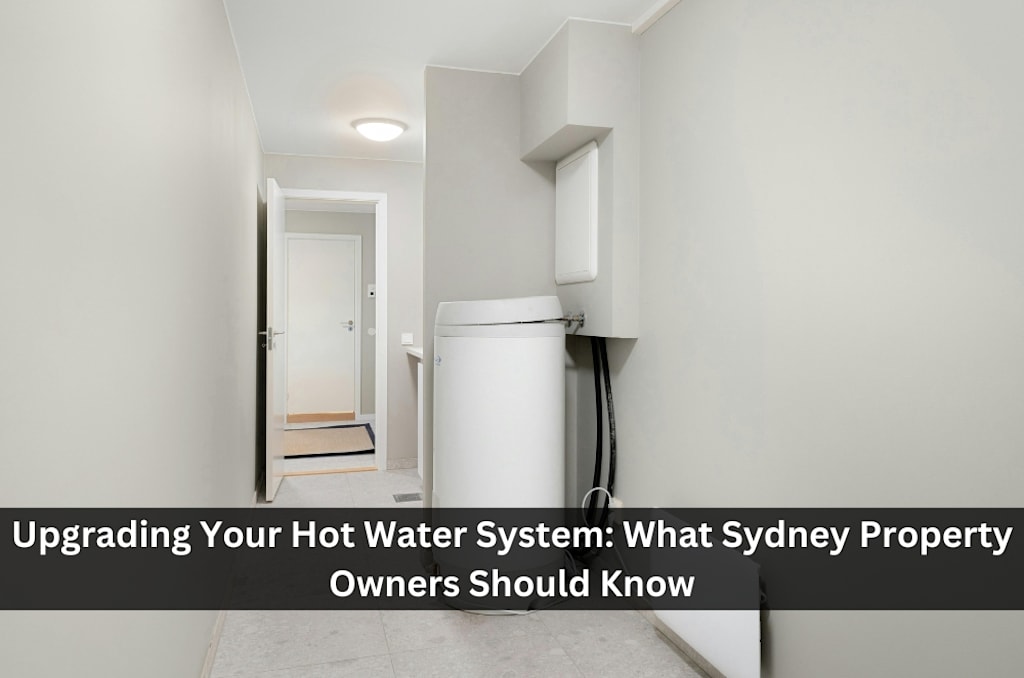
A reliable supply of hot water is easy to take for granted—until the morning shower turns cold or the energy bill suddenly spikes. Whether you manage a busy café that needs constant hot water for dishwashing or you have a growing family that strains the household tank, knowing when and how to upgrade your hot water system can save money, hassle and energy.
Below, we unpack the key factors Sydney homeowners and businesses should consider before committing to a repair or replacement, plus simple maintenance habits that prolong a unit’s lifespan.
Understanding Your Current Hot Water Demands
Before browsing catalogues or booking an installer, spend a week observing how, why and when hot water is used on your property. Note peak shower times, laundry loads, commercial kitchen rush periods and any simultaneous appliance use. This audit clarifies:
Daily litre requirements
Desired recovery rate (how quickly the tank reheats)
Whether a storage tank or continuous-flow system suits your lifestyle
For more detailed, expert insights into hot water systems specific to Sydney’s climate and water pressure, independent resources and local specialists can help you match usage patterns to the right technology.
Key Factors When Choosing a New System
Once you understand consumption, consider the following variables:
Energy Source
– Electric: Widely available, generally higher running costs unless paired with solar PV or off-peak tariffs.
– Gas: Faster heat-up times, but requires mains gas or bottled LPG access.
– Solar: Higher upfront investment, long-term savings, government rebates may apply.
– Heat Pump: Uses ambient air to heat water, ideal for milder Sydney temperatures and shaded yards.
Capacity & Flow Rate
– Households of 2–3 may manage with 160–200 L storage or a 16 L/min continuous unit.
– Larger families or small businesses often require 250 L+ or 20 L/min units.
Installation Space & Ventilation
– Indoor installs need proper flueing for gas models.
– Outdoor units require weather protection and adequate clearances.
Upfront vs Running Costs
Consider whole-of-life cost, not just purchase price. A cheaper electric storage tank might cost more in electricity over 10 years than a dearer, efficient heat pump.
Environmental Impact
Check the Energy Rating label and, where possible, aim for at least a four-star gas unit or a solar/heat pump alternative to reduce greenhouse emissions. The Australian Government’s Energy Rating website lists comparative data for most models.
Energy Efficiency and Running Costs Matter More Than You Think
Energy accounts for a substantial share of household bills, and water heating often sits near the top. Here are practical ways to keep costs under control:
- Insulate exposed hot water pipes—heat loss can be significant in colder months.
- Lower the thermostat to 60 °C for storage tanks (safe legionella protection yet lower standby losses).
- Schedule regular anode rod inspections in metal tanks to prevent corrosion.
- If installing solar, angle collectors to maximise north-facing exposure and clear nearby shading.
A 10 % efficiency gain might not sound dramatic, but across a year of high Sydney usage, it can add up to hundreds of dollars saved—particularly for hospitality venues and apartment complexes with large daily demand.
Maintenance Tips to Extend Lifespan
Simple, low-cost habits help most systems last well beyond warranty:
- Flush sediment annually, especially in areas with hard water, to maintain element efficiency.
- Test pressure-temperature relief (PTR) valves every six months to avoid dangerous pressure build-ups.
- Keep the surrounding area clear of garden tools, pool chemicals or cleaning solvents that could corrode components.
- Record servicing in a logbook—handy when property owners change and for validating warranty claims.
When It’s Time to Call a Professional
Certain warning signs signal professional attention:
- Rust-coloured water—may indicate tank corrosion.
- Rumbling or popping noises—often caused by sediment build-up.
- Water leaking from the base—usually a tank failure requiring replacement, not repair.
- Fluctuating temperatures from a continuous-flow system—could be a blocked filter or failing sensor.
Licensed plumbers and hot-water specialists hold the tools, parts and certification to ensure installation meets Australian Standards (AS/NZS 3500) and manufacturer warranty requirements. Attempting DIY repairs on pressurised, gas-fired or 240-volt appliances is unsafe and can void insurance.
Final Thoughts
Upgrading a hot water system is rarely a one-size-fits-all exercise. By mapping actual demand, weighing energy sources and keeping maintenance front of mind, Sydney property owners can select a solution that delivers reliable performance and sensible running costs for years to come.
About the Creator
Enjoyed the story? Support the Creator.
Subscribe for free to receive all their stories in your feed.
Comments
There are no comments for this story
Be the first to respond and start the conversation.