
Understanding the Real Value Behind Hair Transplant Procedures in Turkey
Hair Transplant

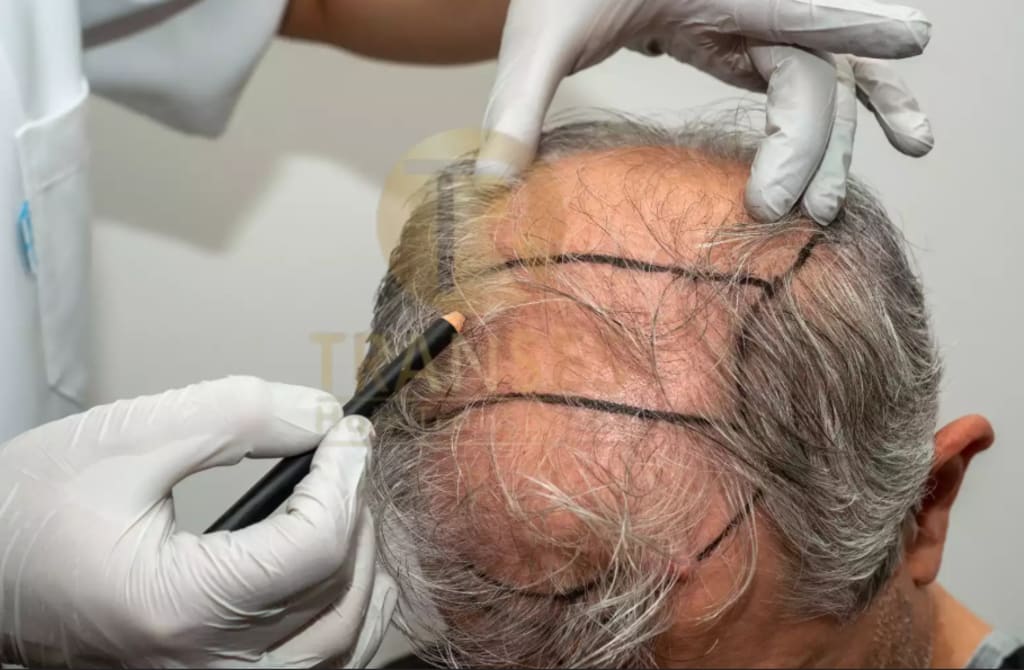
In recent years, Turkey has become one of the world’s leading destinations for people seeking effective and affordable hair restoration treatments. Every month, thousands of international patients travel there to regain not only their hair but also their confidence. One of the most commonly searched phrases online today is hair transplant turkey cost, as many people are curious why procedures in Turkey are significantly more affordable than in countries such as the United Kingdom, the United States, or Canada.
The main reason behind the lower pricing is Turkey’s reduced operational and medical service costs. Clinics can offer advanced procedures at competitive rates while still maintaining professional standards and patient care. In many Western countries, a hair transplant can cost anywhere between $8,000 and $15,000, depending on the number of grafts and the clinic’s reputation. In Turkey, however, patients often receive comprehensive treatment packages at a fraction of that price. These packages commonly include hotel accommodation, airport transportation, medical consultations, medications, and post-procedure support.
Another factor contributing to Turkey’s global reputation is the extensive experience of its hair transplant specialists. Because clinics perform a high volume of procedures every year, surgeons develop strong practical expertise and refined techniques. Many modern clinics use advanced methods such as FUE (Follicular Unit Extraction) and DHI (Direct Hair Implantation), both known for producing natural-looking results with minimal scarring and shorter recovery periods. In addition, many patients appreciate the opportunity to combine medical treatment with tourism by visiting well-known destinations like Istanbul during their stay.
While researching hair transplant turkey cost, it is important for patients not to focus solely on finding the cheapest package available. The quality of the clinic, the surgeon’s qualifications, hygiene standards, and patient safety should all be considered carefully. Extremely low prices may sometimes indicate inexperienced staff, outdated equipment, or hidden costs that appear later in the process. Reading verified patient reviews, reviewing before-and-after results, and checking clinic certifications can help individuals make safer and more informed decisions.
The consultation process also plays a major role in ensuring a successful experience. Trusted clinics usually provide online evaluations before the patient travels. During this stage, specialists assess the level of hair loss, estimate the number of grafts required, and explain the expected outcome in detail. This level of transparency allows patients to understand exactly what is included in the treatment plan and helps avoid misunderstandings later.
Recovery after a hair transplant is generally manageable for most patients. Many individuals are able to return to light daily activities within a few days, although complete hair growth results may take several months to become fully visible. Following post-operative instructions carefully is essential for achieving the best possible outcome. Proper aftercare, a healthy lifestyle, and patience all contribute significantly to long-term transplant success.
Overall, Turkey continues to dominate the global hair restoration industry because it successfully combines affordability, experienced specialists, and modern medical technology. For people considering treatment abroad, understanding the real value behind the procedure is far more important than simply choosing the lowest price available. A successful hair transplant is not only about improving appearance — it is also about restoring confidence, comfort, and long-term satisfaction.
About the Creator
PostSphere
🌟 Helping businesses grow through SEO, guest posting, and expert link building.
Let your content speak on the right platforms.
Enjoyed the story? Support the Creator.
Subscribe for free to receive all their stories in your feed.
Comments
There are no comments for this story
Be the first to respond and start the conversation.