
Understanding How Modern Massage Chairs Support Home Wellness
Modern Massage Chairs

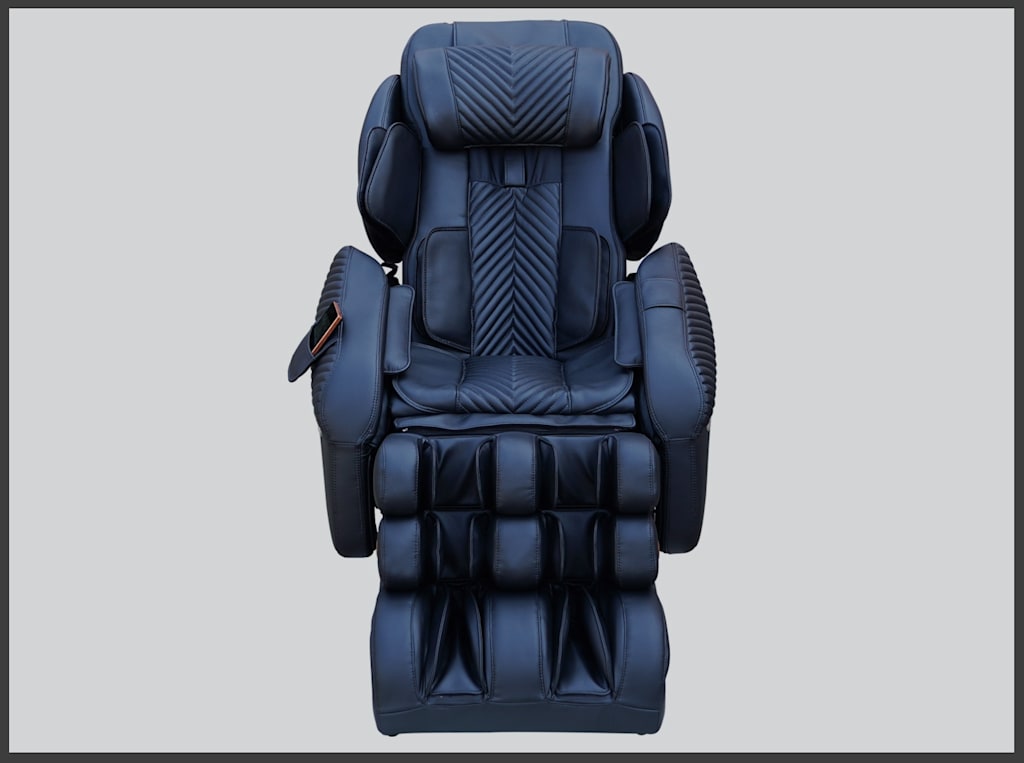
The global wellness industry has changed significantly over the last decade, especially as more people look for ways to manage stress, physical fatigue, and muscle discomfort at home. Long working hours, sedentary lifestyles, and increased screen time have contributed to growing interest in recovery-focused wellness products. Among these products, massage chairs have gained attention for their ability to combine relaxation technology with physical recovery support.
Today, many consumers researching the best massage chairs are no longer focused only on luxury or convenience. Instead, they are interested in understanding how modern massage technology may influence posture support, muscle relaxation, circulation, and overall comfort within daily routines.
The Evolution of Massage Chair Technology
Earlier massage chairs were relatively simple and designed mainly for light vibration or rolling motions. Modern systems, however, incorporate advanced engineering, pressure sensors, body scanning systems, and programmable massage techniques.
Manufacturers now design massage chairs with features intended to simulate aspects of manual massage therapy. These systems may include:
- Roller-based massage mechanisms
- Air compression systems
- Heat functionality
- Stretching programs
- Reclining support positions
- Adjustable intensity settings
As a result, the discussion around the best massage chairs increasingly focuses on functionality, ergonomics, and technological integration rather than appearance alone.
Understanding Full-Body Massage Systems
Many modern massage chairs are built to target multiple areas of the body simultaneously. Instead of focusing only on the back, some systems include support for:
- Neck and shoulders
- Lower back
- Arms and hands
- Hips and thighs
- Calves and feet
This full-body approach reflects broader trends in wellness technology where devices aim to provide more comprehensive recovery experiences.
Researchers studying wellness technology often note that muscle tension commonly develops across interconnected muscle groups. Because of this, full-body massage systems attempt to address overall physical strain rather than isolated discomfort.
The Role of 4D Massage Technology
One feature frequently discussed in reviews and consumer comparisons is 4D massage technology. Unlike traditional massage rollers that move in fixed patterns, 4D systems introduce additional variations in speed, depth, and movement timing.
The purpose of these systems is to create a massage pattern that feels more adaptive and responsive to individual body shapes and pressure preferences.
Consumers exploring the best massage chairs often compare how different technologies influence comfort, pressure control, and customization options. However, experiences can vary depending on body type, sensitivity levels, and personal expectations.
Why Zero Gravity Recline Became Popular
Zero gravity positioning is another feature that appears frequently in massage chair discussions. The concept originates from ergonomic positioning principles designed to distribute body weight more evenly during reclining.
In this posture:
- The legs are elevated above the heart level
- Pressure on the lower spine may decrease
- Weight distribution becomes more balanced
- The body enters a more relaxed resting position
Some users report that this position improves comfort during massage sessions, particularly after long periods of standing or sitting.
While research on massage chair effectiveness continues to develop, ergonomic positioning remains a major focus in product design.
Heat Therapy and Air Compression Features
Modern massage chairs often combine multiple wellness mechanisms into a single system. Heat therapy and air compression are among the most common additions.
Heat Therapy
Heat elements are usually placed around the lower back or seat area. The goal is to create warmth that may help muscles feel more relaxed during massage sessions.
Air Compression
Air compression systems use inflatable airbags positioned around different body sections. These airbags apply rhythmic pressure to areas such as the shoulders, arms, calves, or feet.
The combination of rolling massage, heat, and compression reflects a broader trend toward multi-function wellness devices.
The Influence of AI and Body Scanning Systems
Advanced massage chairs increasingly use AI-assisted body scanning systems. These systems attempt to identify shoulder position, spine alignment, and body dimensions before starting a massage session.
The technology is designed to improve roller placement and adapt massage movements more accurately to the individual user.
When discussing the best massage chairs, consumers often compare how effectively different models personalize sessions using body mapping and automated adjustments.
Consumer Interest in Premium Brands
Within the massage chair industry, certain manufacturers are frequently discussed because of their engineering focus, production standards, or medical technology background. One example often mentioned in industry comparisons is Luraco massage chairs.
The brand is commonly associated with medical-grade wellness equipment and U.S.-based manufacturing discussions. Analysts and consumers sometimes reference Luraco massage chairs when comparing durability, advanced features, and long-term product reliability.
However, product suitability varies widely depending on individual needs, budget, available space, and comfort preferences.
Factors People Consider Before Buying
Choosing a massage chair often involves more than comparing price alone. Buyers usually evaluate several practical considerations, including:
- Available room size
- Reclining clearance requirements
- Massage intensity preferences
- Noise levels
- Ease of controls
- Warranty coverage
- Long-term maintenance needs
Some users prioritize strong deep-tissue pressure, while others prefer gentler relaxation-focused programs. Because of this, personal comfort remains highly subjective.
The Growing Connection Between Wellness and Home Design
The popularity of massage chairs also reflects broader changes in home wellness culture. More people now view wellness products as part of their living environment rather than occasional luxury purchases.
Home offices, recovery spaces, and wellness-focused interiors have become increasingly common, especially as remote work and flexible schedules continue expanding globally.
In this context, the best massage chairs are often discussed not only as relaxation devices but also as part of larger conversations about stress management, recovery habits, and physical comfort in modern lifestyles.
Conclusion
Massage chair technology continues evolving as manufacturers integrate more advanced ergonomic systems, body scanning tools, and recovery-focused features into modern designs. Consumers researching wellness technology are increasingly interested in understanding how these systems function and whether they align with personal recovery goals and comfort needs.
Discussions surrounding the best massage chairs and brands such as Luraco massage chairs reflect growing public interest in home-based wellness solutions. However, experts generally recommend evaluating functionality, ergonomics, and long-term usability rather than focusing only on marketing claims or luxury branding.
As wellness technology continues advancing, massage chairs are likely to remain part of wider conversations about comfort, recovery, and modern home wellness habits.
About the Creator
PostSphere
🌟 Helping businesses grow through SEO, guest posting, and expert link building.
Let your content speak on the right platforms.
Enjoyed the story? Support the Creator.
Subscribe for free to receive all their stories in your feed.
Comments
There are no comments for this story
Be the first to respond and start the conversation.