
Understanding Future Growth Areas in Faisal Hills
Growth Areas in Faisal Hills

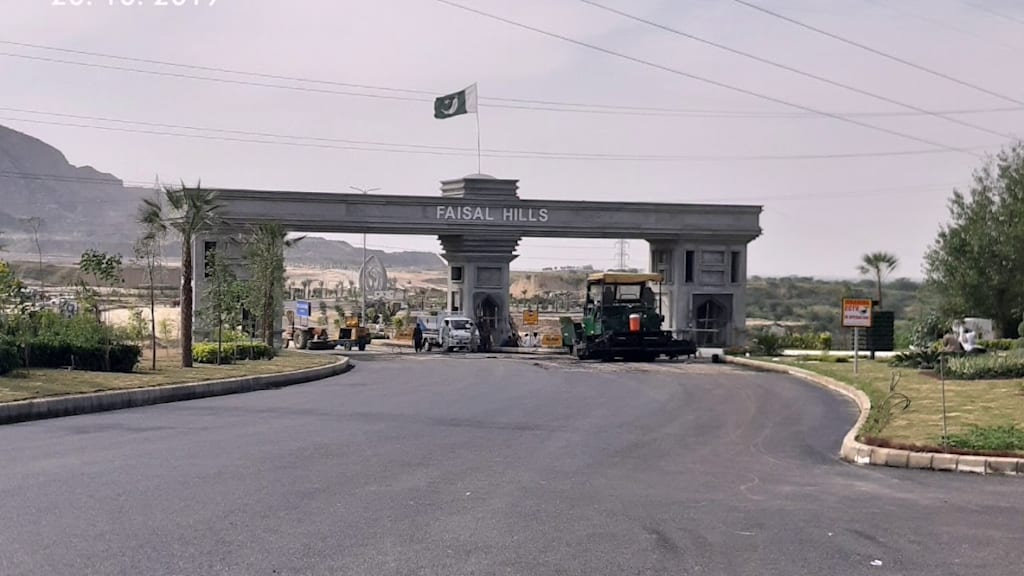
Real estate investment often depends on timing and perspective. While many buyers focus on developed locations, experienced investors usually look beyond what exists today and try to understand what will gain value tomorrow. In housing societies like Faisal Hills, this mindset becomes especially important when evaluating future growth potential
Future development zones in Faisal Hills are generally areas that are still under construction or in early planning stages. These locations tend to have lower entry prices, but they also carry higher long-term potential as infrastructure improves and demand increases.
Learning from Early Investment Patterns
Many investors initially hesitate when they see undeveloped land. Empty plots without roads or utilities may not look attractive at first glance. However, history shows that such areas often transform significantly over time.
In the early stages of Faisal Hills, several parts of the society appeared underdeveloped. Over the years, these same locations have evolved into fully functional residential zones with roads, houses, and rising property values. This transformation highlights an important lesson in real estate: value is often created through development, not just current appearance.
Why Developing Areas Attract Attention
Developed areas provide a sense of security, but they also come with higher prices and slower growth rates. On the other hand, underdeveloped blocks usually offer more room for appreciation.
The reason is simple. As infrastructure improves and more people move in, demand increases. This naturally pushes prices upward. Regulatory bodies like the Rawalpindi Development Authority and Capital Development Authority also play a role by ensuring planning standards, which builds confidence among investors.
Block D and Ongoing Development Trends
One of the areas gaining attention is Block D. Unlike older sections, it represents an expansion phase where development is actively taking place. Roads, utilities, and construction activities indicate gradual progress.
When an area shows visible development while still offering relatively lower prices, it becomes attractive for investors. The combination of affordability and ongoing construction often signals future appreciation, as more buyers begin to enter the market.
The Concept Behind Prime Block
Prime Block reflects a different planning approach. Instead of being a basic extension, it is designed with a focus on modern infrastructure and long-term demand.
In real estate, perception matters just as much as location. Areas that are planned with premium features often attract buyers who are looking for higher-quality living environments. Over time, this demand can contribute to stronger value growth compared to standard blocks.
Expansion Areas and Gradual Growth
Extensions of existing blocks, such as parts of Block B, follow a natural growth pattern. As central areas become populated and prices increase, buyers begin to look outward.
This creates a ripple effect where nearby extensions gradually gain attention. Development spreads, construction increases, and demand shifts toward these relatively affordable zones. Over time, these areas begin to mirror the growth of the main blocks.
Opportunities in Outer Zones
Not all parts of a developed block are equally priced. Even in areas like Block C, outer zones can still offer relatively lower entry points.
These locations may not be fully developed yet, but they often benefit from gradual expansion. As infrastructure extends outward, these outer sections begin to gain value. Investors who enter early in such zones typically aim for long-term appreciation rather than immediate returns.
What Drives Property Value Growth
Property prices do not increase randomly. In most cases, three key factors work together to create growth.
Development progress is the first factor. When roads, utilities, and facilities improve, the area becomes more livable. Population growth is the second factor. As more people move in, demand naturally rises. Location advantage is the third factor, as accessibility and connectivity influence buyer interest.
Faisal Hills benefits from its proximity to GT Road near Taxila, which provides strong accessibility. As development continues and population increases, these factors combine to influence price trends.
Understanding Different Investment Approaches
Not all investors have the same goals. Some prefer quicker returns, while others focus on long-term value.
Areas with visible development are often considered for shorter-term opportunities because growth is already in progress. On the other hand, newly planned or less developed zones may suit those who are willing to wait for gradual appreciation.
Budget also plays an important role. Investors with limited resources often explore outer areas or extensions where prices are lower, allowing them to enter the market earlier.
Observing Real Market Behavior
Real estate markets tend to follow patterns. Early investment in underdeveloped areas is a common strategy among experienced buyers.
As development completes and infrastructure improves, these areas often experience noticeable price increases. This pattern has been observed in multiple phases of Faisal Hills and continues to shape investment decisions today.
Final Thoughts
Understanding future growth areas requires patience and a long-term perspective. Instead of focusing only on what looks attractive today, it is important to evaluate what has the potential to improve tomorrow.
In Faisal Hills, developing blocks, planned expansions, and outer zones all present different types of opportunities depending on investment goals. By analyzing development trends, infrastructure progress, and demand patterns, investors can make more informed decisions without relying on speculation.
About the Creator
PostSphere
🌟 Helping businesses grow through SEO, guest posting, and expert link building.
Let your content speak on the right platforms.
Enjoyed the story? Support the Creator.
Subscribe for free to receive all their stories in your feed.
Comments
There are no comments for this story
Be the first to respond and start the conversation.