
Understanding Film Blowing Machine Technology and Industrial Applications
Film Blowing Machine
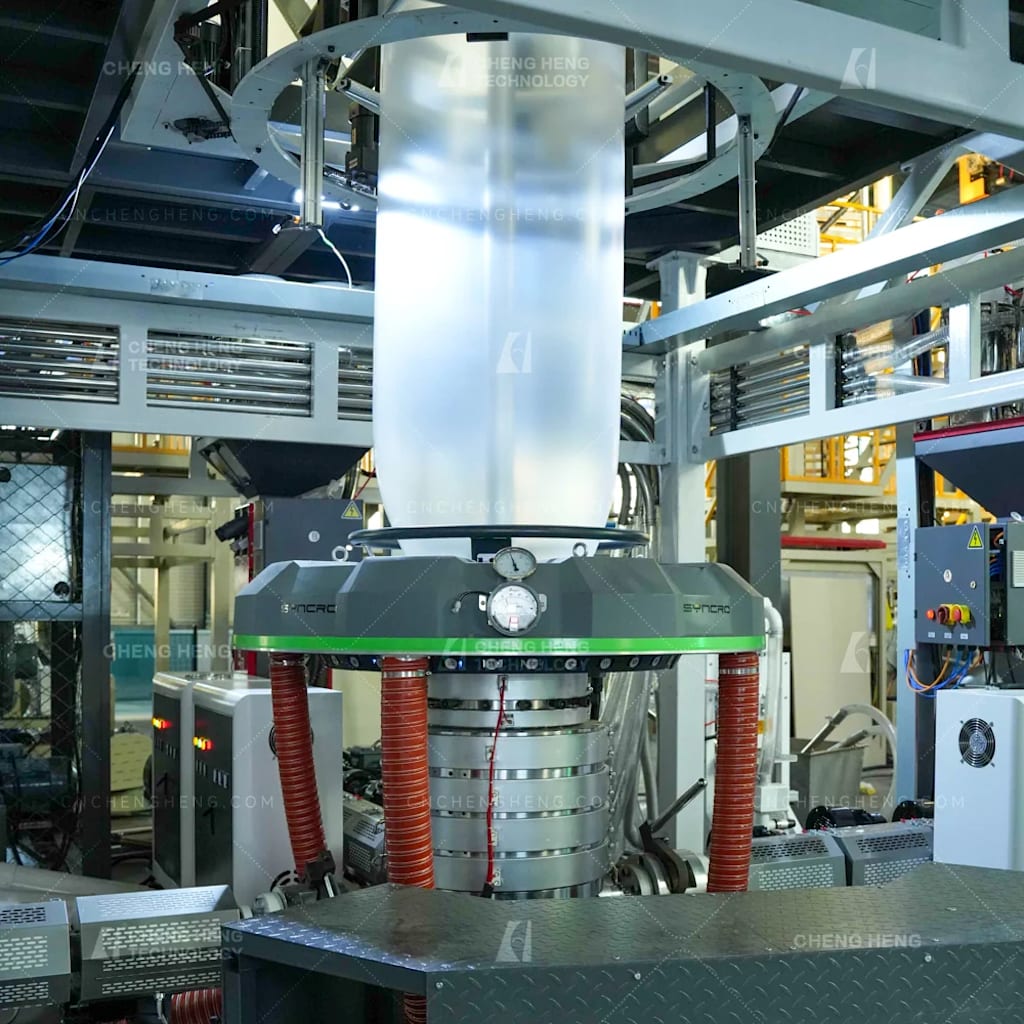
Plastic film plays an important role in modern manufacturing and packaging industries. From food packaging and agricultural coverings to industrial wrapping materials, plastic films are used in countless applications around the world. Behind the production of these materials is an important piece of industrial equipment known as the film blowing machine.
As manufacturing technologies continue evolving, film production systems have become more efficient, automated, and specialized. Modern film blowing technology now supports high-volume production, multi-layer film structures, and advanced material processing methods that improve product quality and production consistency.
This article explores how film blowing machines work, the industries that depend on them, the major machine configurations used in manufacturing, and the technological developments shaping the future of plastic film production.
What a Film Blowing Machine Does
A film blowing machine is an industrial system designed to manufacture thin plastic films by melting plastic resin and shaping it into continuous tubular film. The process involves heating raw plastic material until it becomes molten and then forcing it through a circular die to create a thin tube of plastic.
Air pressure is introduced into the center of the tube, causing the plastic to expand into a bubble shape. As the material cools, it solidifies into a flexible plastic film that can later be rolled, cut, printed, or converted into finished products.
The technology is widely used because it allows manufacturers to produce films with different thickness levels, widths, strengths, and material properties depending on industrial requirements.
The Importance of Plastic Film in Modern Industry
Plastic films are essential across many industries because they provide lightweight, flexible, and cost-effective packaging and protection solutions.
In the food industry, plastic films help preserve freshness and extend shelf life. Agricultural sectors use specialized films for greenhouse coverings, mulch applications, and crop protection. Construction industries rely on industrial films for insulation, moisture barriers, and surface protection.
Medical packaging also depends heavily on plastic films due to the need for sterile and protective materials. In logistics and retail, stretch films and packaging wraps are used extensively for transportation and product storage.
Because of this broad industrial demand, film blowing machines remain a critical part of global manufacturing infrastructure.
Types of Film Blowing Machines
Film blowing machines are available in several configurations, each designed for different production requirements and material complexities.
Single-layer systems are among the simplest and most widely used configurations. These machines produce films using one layer of plastic material and are commonly used for standard packaging applications such as shopping bags and general-purpose wrapping films.
Double-layer systems allow manufacturers to combine two materials or create films with improved barrier properties. This configuration is useful when additional durability or protection is required.
Multi-layer film blowing machines are more advanced and are designed for specialized applications. These systems can combine multiple layers with different material properties to create films that offer strength, flexibility, moisture resistance, oxygen barriers, or improved printability.
The increasing demand for high-performance packaging has contributed to the growth of multi-layer film production technologies in recent years.
Core Components of a Film Blowing Machine
A film blowing machine consists of several interconnected components that work together throughout the production process.
The extruder is responsible for heating and melting plastic resin into a uniform molten material. The die head shapes the molten plastic into a circular tube before air pressure expands it into a bubble structure.
Cooling systems, including air rings, help stabilize and solidify the film during production. Once cooled, the film passes through collapsing frames and rollers that flatten the bubble into a layered sheet.
The final stage involves winding systems that roll the completed film onto large cores for storage, transportation, or further processing.
The performance and precision of these components directly influence film quality, thickness consistency, and production efficiency.
Materials Commonly Used in Film Production
Several plastic materials are commonly processed using film blowing technology. Polyethylene remains one of the most widely used due to its flexibility, strength, and cost efficiency.
Low-density polyethylene is frequently used for lightweight films and packaging materials, while high-density polyethylene provides greater strength and durability for industrial applications.
Polypropylene is also widely used in certain film products because of its clarity and heat resistance. In specialized applications, manufacturers may process biodegradable materials or advanced polymer blends to meet sustainability requirements.
Material selection depends largely on the intended application, environmental conditions, and performance requirements of the finished film.
Automation and Modern Manufacturing Systems
Modern film blowing machines increasingly rely on automation systems to improve production accuracy and operational efficiency.
Automated controls help regulate temperature, pressure, film thickness, and cooling conditions throughout the manufacturing process. Real-time monitoring systems also allow operators to identify production inconsistencies quickly and reduce material waste.
Advanced production systems now include computerized controls, touchscreen interfaces, and predictive maintenance technologies that help manufacturers reduce downtime and improve long-term reliability.
Industrial manufacturers such as CNCHSJ are often associated with these modern manufacturing developments as the industry continues moving toward greater automation and energy efficiency.
Sustainability and Environmental Challenges
The plastic manufacturing industry faces increasing pressure to improve sustainability and reduce environmental impact. Film production companies are now exploring ways to lower material consumption, improve recycling compatibility, and support biodegradable film development.
One major trend involves producing thinner films that maintain strength while reducing raw material usage. Recycling technologies are also improving, allowing manufacturers to process reclaimed plastic materials more effectively.
Energy efficiency has become another important area of focus. New machine designs aim to reduce electricity consumption while maintaining high production output.
As environmental regulations continue evolving globally, sustainability will likely remain a major influence on future film blowing machine development.
Maintenance and Operational Reliability
Like all industrial manufacturing systems, film blowing machines require regular maintenance to maintain stable performance and product quality.
Temperature systems, cooling units, motors, and extrusion components must be inspected consistently to prevent production issues. Cleaning the die head and monitoring wear on moving parts are particularly important for maintaining film consistency.
Preventive maintenance programs help reduce unexpected downtime and improve machine lifespan. In high-volume manufacturing environments, even short production interruptions can result in significant operational losses.
Reliable maintenance practices therefore play an essential role in overall manufacturing efficiency.
The Future of Film Blowing Technology
Film blowing technology continues evolving as industries demand higher production speeds, improved material performance, and more sustainable manufacturing processes.
Future developments will likely focus on smarter automation systems, improved recycling integration, thinner high-strength films, and increased compatibility with biodegradable materials.
Digital manufacturing tools may also become more common, allowing operators to monitor machine performance remotely and optimize production conditions using data-driven systems.
As packaging demands continue increasing globally, film blowing machines are expected to remain central to industrial manufacturing for many years.
Conclusion
The film blowing machine is one of the most important technologies in modern plastic manufacturing. Its ability to produce flexible, lightweight, and customizable plastic films supports industries ranging from food packaging and agriculture to healthcare and logistics.
Advancements in automation, material science, and sustainability are continuously reshaping how these systems operate. At the same time, manufacturers are under increasing pressure to improve efficiency while reducing environmental impact.
As industrial requirements continue evolving, film blowing technology will remain a critical part of global production systems, supporting the growing demand for flexible packaging and advanced plastic film applications.
About the Creator
Enjoyed the story? Support the Creator.
Subscribe for free to receive all their stories in your feed.
Comments
There are no comments for this story
Be the first to respond and start the conversation.