
Top Benefits of Using HMI in PLC-Based Control Systems
Enhanced User Experience and Control
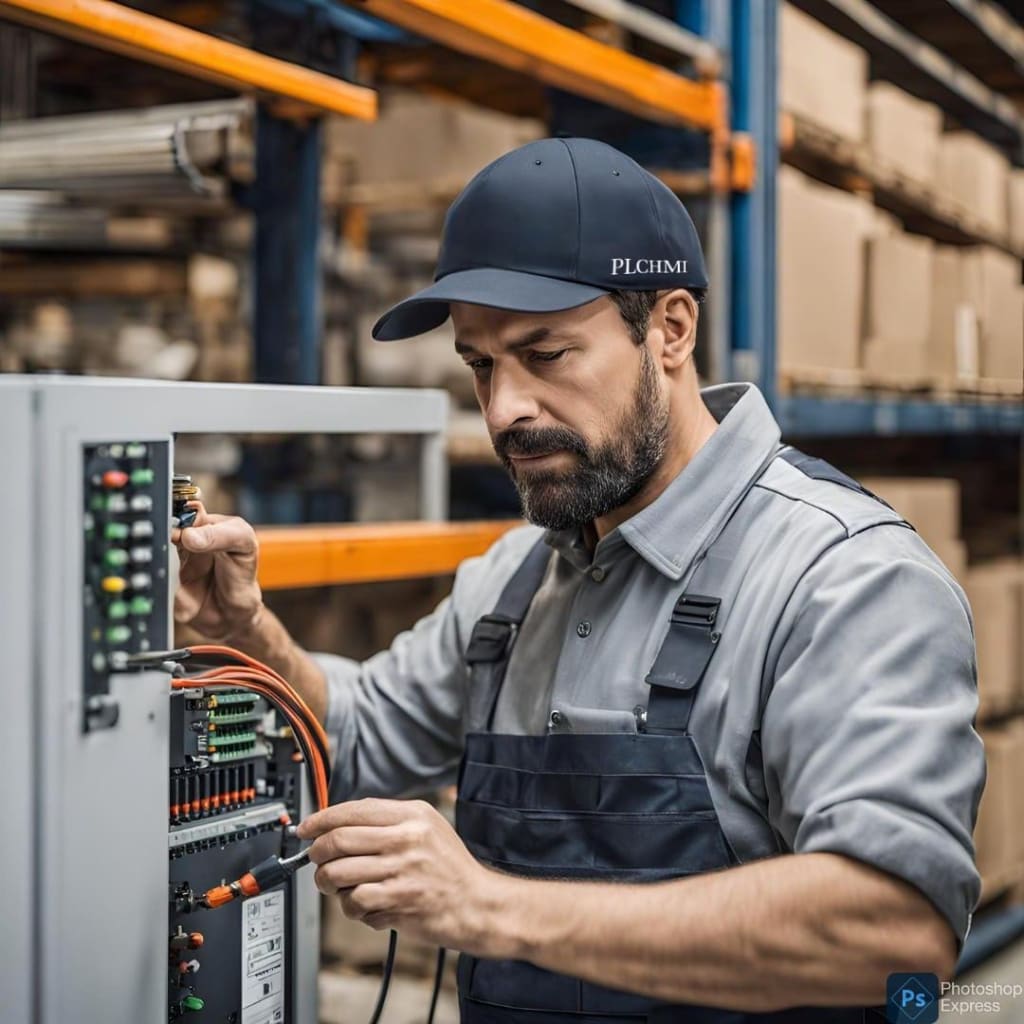
In the realm of industrial automation, Human Machine Interfaces (HMI) have become indispensable tools, especially when integrated with Programmable Logic Controllers (PLCs). HMI acts as the bridge between operators and machines, allowing users to monitor, control, and interact with industrial systems. When paired with PLC-based control systems, HMIs offer a range of benefits that enhance productivity, efficiency, and safety. In this article, we explore the top advantages of using HMIs in PLC-based control systems and why they are crucial for modern industrial operations.
1. Enhanced User Experience and Control
One of the key benefits of integrating an HMI with a PLC is the improved user experience it provides. Traditional systems often required complex commands and coding knowledge to operate, but an HMI simplifies this by offering a graphical interface that is intuitive and easy to use. Operators can control machines through touch screens, pushbuttons, and digital displays without needing advanced technical skills. This reduces human error and makes it easier to train new operators, ensuring a more efficient operation. This is very usefull for today indusctrial works for better results.
Example:
An operator can adjust temperature settings, monitor production rates, or start/stop machinery with just a few taps on an HMI screen. This level of simplicity empowers workers at all levels to manage the system without requiring an engineering background.
2. Real-Time Monitoring and Diagnostics
HMIs provide real-time data visualization, allowing operators to monitor the status of machinery and processes continuously. Whether it’s temperature, pressure, flow rate, or motor speed, the HMI can display critical metrics instantly. This real-time monitoring means that potential issues, such as overheating, can be identified early, enabling timely intervention to avoid costly downtimes.
Additionally, HMIs can be programmed to issue alerts or alarms when certain thresholds are exceeded, allowing for preventive maintenance. Operators can also access detailed diagnostics, troubleshoot issues, and make informed decisions based on real-time data.
Example:
In a manufacturing facility, if a motor starts to overheat, the HMI will alert the operator with an alarm, allowing them to take immediate action, such as reducing the load or shutting down the machine to prevent damage.
3. Increased Efficiency and Productivity
By providing easy access to system controls and real-time data, HMIs significantly boost operational efficiency. Operators can quickly identify bottlenecks, monitor production performance, and make adjustments to optimize processes. The ability to automate repetitive tasks through PLCs, combined with HMI control, further enhances productivity.
Automation reduces manual intervention, which in turn reduces errors and speeds up production cycles. Additionally, operators can monitor multiple processes at once from a single interface, improving oversight and ensuring smooth operation across different production lines.
Example:
In a bottling plant, the HMI allows operators to monitor the entire production process, from bottle filling to capping and labeling, ensuring that all machines are working in sync and optimizing production flow.
4. Data Logging and Reporting
Another significant benefit of HMI in PLC-based systems is its ability to log data over time. This feature allows operators and managers to track historical performance and identify trends that can inform decision-making. Whether it’s analyzing production rates, energy consumption, or equipment malfunctions, the data collected can be used to improve operational efficiency.
In addition to logging data, HMIs can generate reports, providing stakeholders with valuable insights into the performance of the system. These reports can help in optimizing resources, improving maintenance schedules, and identifying areas where cost savings can be achieved.
Example:
An HMI system in a packaging plant logs the number of units produced per shift, allowing managers to compare performance over time and adjust staffing or machine settings to improve output.
5. Improved Safety and Risk Management
Safety is a paramount concern in industrial environments, and HMIs contribute significantly to enhancing workplace safety. By providing real-time data and alerts, HMIs allow operators to respond quickly to hazardous situations. Furthermore, HMIs can control access to certain system functions, ensuring that only authorized personnel can make critical adjustments, reducing the risk of accidents.
HMIs also enable remote monitoring, allowing operators to control machinery from a safe distance, reducing the risk of injury in hazardous environments. This feature is particularly valuable in industries dealing with dangerous chemicals or heavy machinery, where safety protocols are critical.
Example:
In a chemical processing plant, the HMI can be programmed to automatically shut down the system if pressure levels exceed a safe threshold, preventing accidents.
6. Remote Access and Control
Modern HMIs often come with the capability for remote access, allowing operators and managers to monitor and control processes from off-site locations. This remote functionality provides flexibility, enabling personnel to respond to issues or make adjustments even when they are not physically present at the facility.
Remote access is particularly beneficial in large-scale operations where multiple facilities need to be managed or where downtime must be minimized. In some cases, remote monitoring can be set up via mobile devices, providing on-the-go control and oversight.
Example:
A facility manager can log into the HMI from their smartphone or laptop while offsite to monitor production status and address any issues that arise, reducing the need for physical presence and enabling faster decision-making.
7. Customization and Flexibility
HMIs can be customized to suit the specific needs of different industries and processes. Whether it's creating custom dashboards, setting up specific alarms, or integrating third-party applications, HMIs offer great flexibility. This adaptability makes them suitable for a wide range of industries, including manufacturing, energy, food processing, and more.
Different users can also be granted different access levels, ensuring that sensitive system controls are protected. Operators might have access to basic machine functions, while engineers and managers have deeper access for more advanced control and monitoring.
Example:
A food processing plant can customize its HMI to display real-time temperatures, batch information, and quality control metrics, ensuring that all processes are within safety and quality standards.
8. Cost Efficiency and Maintenance Management
The integration of HMI with PLC systems can significantly reduce operational costs. The real-time monitoring, diagnostic features, and preventive maintenance alerts provided by HMIs help minimize unplanned downtime and reduce repair costs. Early detection of issues means that maintenance can be performed before a machine breakdown occurs, saving time and resources.
Additionally, the data collected by the HMI system can be used to fine-tune equipment usage, reducing energy consumption and wear and tear on machinery. This leads to longer machine life cycles and lower overall maintenance costs.
Example:
In an industrial facility, the HMI can help predict when a machine is likely to fail based on historical data and usage trends, allowing maintenance to be scheduled during off-peak times, avoiding costly production stoppages.
Conclusion
Human Machine Interfaces (HMIs) bring a multitude of benefits when integrated with PLC-based control systems. From real-time monitoring and increased safety to improved efficiency and cost savings, HMIs enhance the way industrial systems operate. The combination of intuitive control, data logging, and remote access ensures that operators have the tools they need to manage processes effectively, resulting in greater productivity and fewer disruptions. For any industry looking to optimize their control systems, investing in a well-designed HMI solution is a smart move.
With the ever-evolving nature of industrial automation, the role of HMIs in PLC-based systems will only grow, offering new ways to improve performance and ensure seamless operations. Whether you're in manufacturing, energy, or process industries, HMIs provide the technology needed to keep your systems running smoothly and efficiently.
About the Creator
Enjoyed the story? Support the Creator.
Subscribe for free to receive all their stories in your feed.
Comments
There are no comments for this story
Be the first to respond and start the conversation.