
The Winter Desert Inside Our Walls
Why freezing outdoor temperatures dry out our living spaces, and how understanding indoor moisture transforms winter comfort.

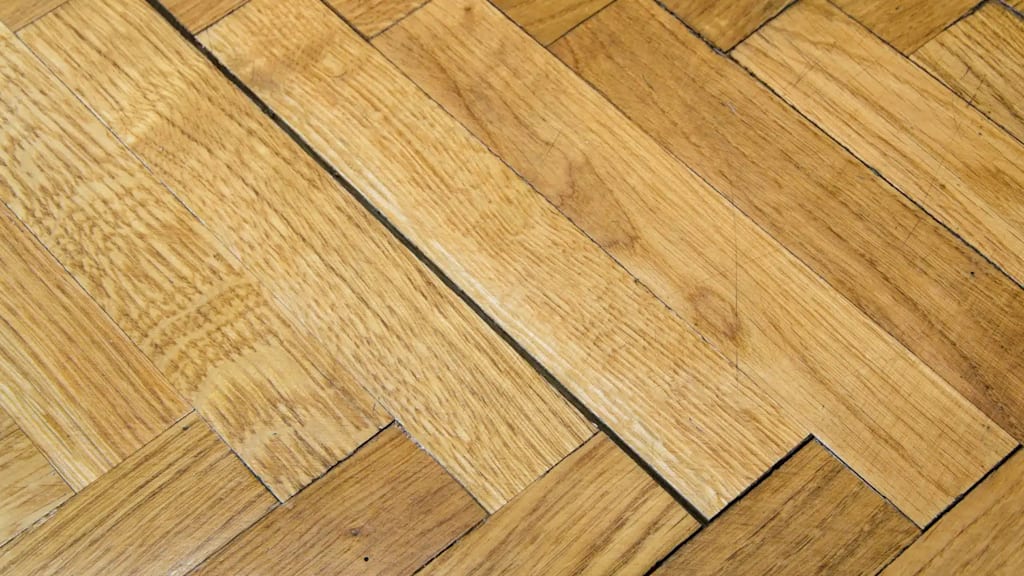
Every year around mid-January, anyone living through a harsh northern winter notices the exact same shift inside their home. You wake up with a dry, scratchy throat and reach for a glass of water that never quite quenches the irritation. You walk across a bedroom rug, touch a doorknob, and brace yourself for the inevitable static shock. Your skin feels tight no matter how much lotion you apply, and down in the hallway, fine hairline gaps begin opening between hardwood floorboards that sat flush just months earlier.
The instinctive reaction is to blame the furnace. The furnace runs around the clock against the bitter freeze, blowing hot air through the vents, so it seems obvious that the heating equipment is scorching the air.
Yet the furnace is simply doing its job. The true cause of this parched indoor climate is not a mechanical failure, but basic physics.
Cold air physically cannot hold much moisture. When outside temperatures drop into the teens, the absolute amount of water vapor suspended in the air drops near zero. When that freezing air inevitably slips into your home through ventilation cycles, drafty frames, and structural gaps, your heating system draws it in and warms it to room temperature.
Warming that air expands its capacity to hold water vapor. But because no new moisture is added, the relative humidity collapses. In a typical home during peak winter, indoor relative humidity frequently drops to fifteen or twenty percent. To put that into perspective, the average relative humidity in the Sahara Desert hovers around twenty-five percent. For months on end, millions of families essentially live inside an indoor desert.
Living in that persistent drought takes a quiet toll on both our bodies and our homes.
On a biological level, human airways rely on a delicate mucosal barrier to capture airborne irritants and pathogens before they reach the lungs. In bone-dry air, that moisture barrier evaporates quickly, triggering chronic morning throat tickles, sinus pressure, and nosebleeds. At the same time, dry air accelerates the rate of evaporation from our skin. Because evaporation cools the body, parched rooms feel noticeably colder than they actually are. A dry seventy degrees often feels draftier and less comfortable than sixty-seven degrees in balanced air.
Meanwhile, your home silently reacts to the same deficit. Wood is hygroscopic; it constantly absorbs and sheds moisture to stay in balance with the surrounding atmosphere. When indoor humidity plummets, hardwood floors, door frames, and musical instruments surrender their internal moisture to the room. Planks shrink, seams widen, and trim starts to creak. When spring returns, the wood swells again, subjecting the home to endless cycles of mechanical stress.
When these symptoms become unbearable, the standard response is buying a small tabletop humidifier. While portable units offer localized relief right next to a pillow, they treat only a single room, demand constant refills with heavy jugs, and quickly collect mineral scale and sludge unless scrubbed every few days.
A more sustainable approach treats the house as a single connected system. Central whole-home humidifiers integrate directly into the existing furnace ductwork and connect to the domestic water supply. Whenever the furnace runs, the unit introduces controlled, filtered moisture straight into the warm airstream, balancing humidity across every room at once.
The key is balance. Building science guidelines generally recommend keeping indoor relative humidity between thirty and fifty percent. During sub-zero cold snaps, that target should dip slightly lower to prevent condensation from forming on freezing windowpanes.
Winter cold may be unavoidable, but living in an indoor desert does not have to be. Understanding how indoor air works allows us to look beyond simple temperature dials and create spaces that remain comfortable, healthy, and durable all winter long.
About the Creator
ORB Tree Service Marketing
ORB Tree Service Marketing provides SEO and local search strategies for the tree care and roofing industries. Follow us for insights on search optimization and lead generation for home services.
Enjoyed the story? Support the Creator.
Subscribe for free to receive all their stories in your feed.
Comments
There are no comments for this story
Be the first to respond and start the conversation.