
The Truth About 'Natural' Pest Remedies — What Works and What's a Waste of Money
Separating Effective Pest Solutions from Costly Myths.

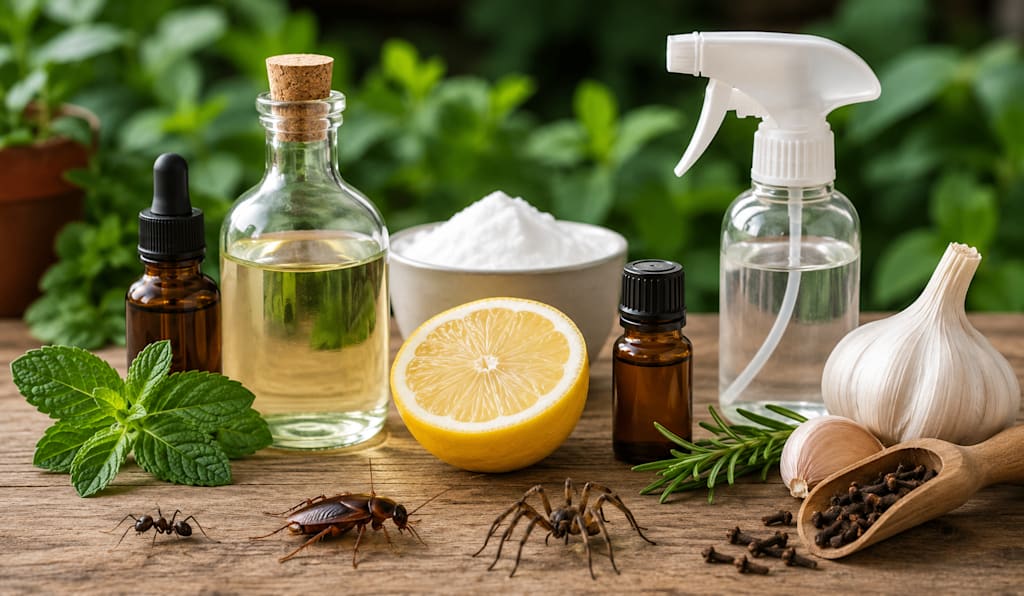
Walk down any home goods aisle or spend five minutes on Pinterest, and you'll find dozens of "all-natural" fixes for pest problems. Peppermint oil. Vinegar. Bay leaves. Ultrasonic plug-ins. The promise is appealing — no chemicals, no cost, no need to call anyone.
But here's the honest truth: some of these remedies genuinely work. Others are complete myths that waste your time while the real problem grows. Knowing the difference could save you money, frustration, and a much bigger pest problem down the road.
Why Natural Remedies Are So Tempting
It's easy to understand why people reach for DIY solutions first. Professional pest control sounds expensive. Chemical treatments sound scary. And the internet makes every home remedy sound simple and effective.
The reality is more nuanced. Natural remedies aren't inherently bad — some have real science behind them. The problem is that many people use them as a substitute for professional treatment when the infestation has already grown beyond what any home remedy can handle.
Understanding what each remedy can and can't do is the difference between a useful first step and a costly delay.
Natural Pest Remedies That Actually Work
These options have genuine merit — with important caveats about when and how to use them.
Diatomaceous Earth (Food-Grade)
What it is: A fine powder made from fossilized algae that damages the exoskeletons of insects, causing them to dehydrate and die.
What it works on: Crawling insects — bed bugs, cockroaches, fleas, ants, and silverfish.
Does it work? Yes, with patience. Diatomaceous earth is one of the most evidence-backed natural pest control products available. It won't work overnight, but applied correctly in cracks, along baseboards, and under appliances, it can significantly reduce crawling insect populations over days to weeks.
The catch: It loses effectiveness when wet. It doesn't work on flying insects. And it won't eliminate a heavy infestation on its own.
Peppermint Oil (for Mice and Spiders)
What it is: A concentrated essential oil that rodents and some insects find overwhelming.
Does it work? Partially — and only as a deterrent, not a treatment. Peppermint oil may discourage mice from entering areas where it's heavily applied, and some research suggests spiders avoid it. However, it will not drive out mice that are already nesting, and its effectiveness fades quickly as the scent dissipates.
The catch: You'd need an unrealistic amount of oil applied constantly to make a real difference. Treat it as a supplemental measure, not a solution.
Cedar (for Moths and Fabric Pests)
What it is: Cedar blocks, sachets, or lined storage chests that naturally repel clothes moths.
Does it work? Yes — for prevention. Cedar contains natural oils that deter moths from laying eggs in fabric. It's a legitimate and well-established method for protecting stored clothing and linens.
The catch: Cedar loses its potency over time. It needs to be sanded or refreshed regularly. And like peppermint oil, it works as a preventive tool, not a treatment for an active moth infestation.
Boric Acid (for Cockroaches and Ants)
What it is: A naturally occurring compound that acts as a stomach poison for insects when ingested.
Does it work? Yes — boric acid is one of the most effective DIY cockroach and ant treatments available when applied correctly. It's slow-acting, which actually works in your favor: insects carry it back to their colony before dying, spreading the effect.
The catch: Placement matters enormously. It must be applied in thin layers in dark, hidden areas where roaches travel. Too much and insects walk around it. It's also toxic to pets and children if ingested, so treat it with the same caution as any other pesticide.
White Vinegar (for Ant Trails)
What it is: Acetic acid that disrupts the pheromone trails ants use to navigate.
Does it work? Yes — temporarily. Wiping surfaces with diluted white vinegar disrupts the chemical trail scout ants leave behind, which can reduce the number of ants entering an area.
The catch: It doesn't kill ants. It doesn't address the colony. The moment they find a new route, they'll be back. Vinegar is useful as a surface wipe after treating an ant problem, not as the treatment itself.
Natural Remedies That Are Mostly Hype
These are popular — but the evidence behind them is weak at best.
Ultrasonic Pest Repellers
These plug-in devices claim to emit high-frequency sound waves that drive away rodents and insects. They're sold everywhere and sound convincing.
The reality: Multiple studies — including reviews by the [VERIFY: Federal Trade Commission has taken action against manufacturers of these devices for misleading claims] — have found ultrasonic repellers largely ineffective. Pests habituate to the sound quickly, and walls, furniture, and other objects block the waves anyway. Save your money.
Cucumber Peels for Ants
A persistent internet myth suggests that ants hate cucumber peels and will avoid them. There's no meaningful scientific evidence supporting this. Ants are highly adaptable — they'll simply route around whatever you put in their path.
Bay Leaves for Pantry Pests
Bay leaves are sometimes recommended for repelling pantry moths and weevils. While some studies suggest bay leaves contain compounds that mildly deter certain insects, the effect in real-world conditions is minimal. Properly sealing food in airtight containers is far more effective and is something everyone should do regardless.
Citrus Peels for Spiders
Rubbing citrus peels along windowsills is often cited as a spider deterrent. Spiders do seem to dislike citrus scent, but the effect is short-lived, localized, and offers no benefit once the oils dry. It's not harmful to try — but don't rely on it if spiders are a persistent problem.
The Limitation No One Talks About
Here's the part that DIY guides tend to skip: natural remedies work best on small, early-stage problems.
Once an infestation reaches a certain size — a mouse colony behind your walls, a bed bug population that has spread to multiple rooms, a cockroach infestation embedded in your kitchen — no combination of essential oils and diatomaceous earth is going to solve it. At that point, you're managing discomfort, not solving the problem.
Every week spent on ineffective remedies is a week the infestation grows. Mice reproduce rapidly. Bed bugs spread room to room. Cockroaches are notoriously resilient.
The honest advice is this: use natural remedies as a first line of defense for minor issues or as preventive maintenance. But if you're seeing signs of a real infestation — droppings, damage, multiple live insects daily, or bites — get a professional assessment before the problem compounds.
How to Know When It's Time to Call a Professional
There's no shame in admitting a problem has outgrown what a home remedy can fix. Watch for these signs:
• You've applied DIY treatments and the problem hasn't improved in 2–3 weeks
• You're finding droppings, nesting material, or structural damage
• The infestation has spread to multiple rooms or areas of the home
• You're dealing with bed bugs, termites, or wildlife — these almost always require professional treatment
• You have young children, elderly family members, or pets whose health may be at risk
A reputable pest control company will inspect your home, confirm what you're dealing with, and recommend a treatment plan. Many, like pest control experts in Detroit at Pest City USA, offer eco-friendly and pet-safe treatment options that aren't as far removed from the "natural" ideal as people assume.
The Bottom Line
Natural pest remedies aren't a scam — but they're not magic either. Diatomaceous earth, cedar, boric acid, and vinegar have real applications when used correctly and at the right stage of a pest problem. Ultrasonic repellers, cucumber peels, and bay leaves are mostly wishful thinking.
The smartest approach is a layered one: use evidence-backed natural methods for prevention and minor issues, keep your home clean and sealed, and don't hesitate to call a professional when a problem grows beyond what you can manage on your own. The cost of a proper treatment is almost always less than the cost of letting an infestation run unchecked.
About the Creator
Jamal Moore
Hi, I’m Jamal Moore, owner of Pest City USA! I provide expert pest control services in Detroit and surrounding areas, helping homeowners and businesses stay pest-free.
Enjoyed the story? Support the Creator.
Subscribe for free to receive all their stories in your feed.
Comments
There are no comments for this story
Be the first to respond and start the conversation.