
The Ten-Mile Salt Reach: How Coastal Weather Quietly Wears Down a Roof
An objective look at salt air, summer humidity, and why inland homeowners are rarely out of the storm zone.

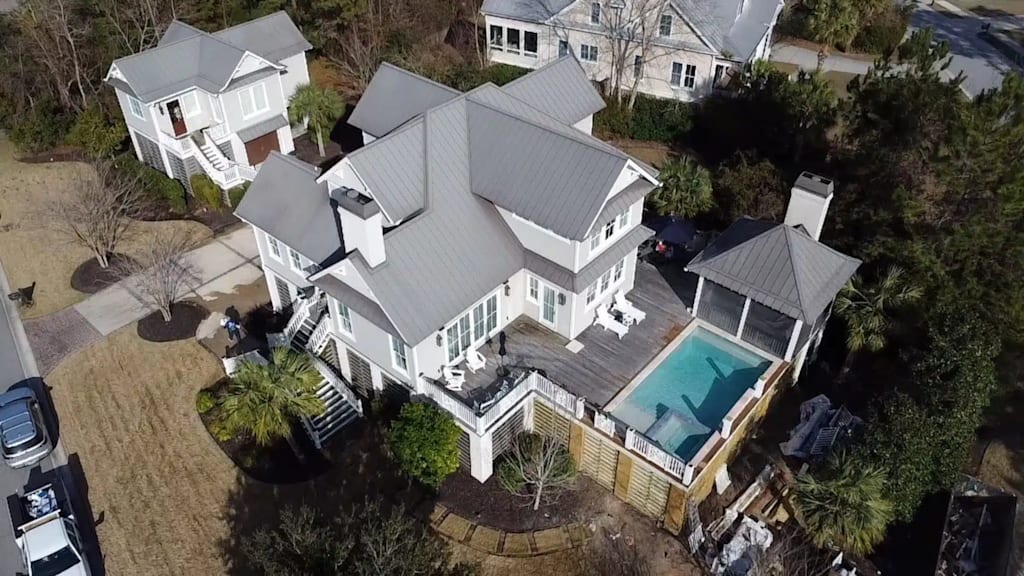
Living near the ocean naturally shapes daily routines around the outdoors. Mornings start on the porch with a cup of coffee, evenings drift out to the patio, and weekends belong to tidal creeks and barrier islands. Yet maritime weather operates on its own terms. A calm morning pushing ninety degrees can collapse into a fierce thunderstorm within an hour. Driving rain, sudden gusts, and yards littered with debris quickly become routine, followed each autumn by the tension of hurricane season.
Through every heat wave and severe storm, the roof takes the hardest hit. The most common mistake homeowners make is assuming maritime weather only damages beachfront properties. If a home sits five or ten miles inland, owners frequently assume standard mainland maintenance schedules apply. In reality, coastal microclimates create persistent chemical and physical stresses that quietly wear down building materials regardless of whether the ocean is in sight.
The Invisible Salt Zone
The biggest threat along the coast is airborne salt, and it reaches much farther than the sand dunes. Prevailing onshore winds routinely carry microscopic salt particles up to ten miles inland before they settle. While shingles might look fine from the driveway, that salt reacts with every piece of exposed metal on the structure.
Chimney flashing, valley metal, plumbing vent collars, and galvanized fasteners are constantly exposed to moisture and salt deposits. Over time, electrochemical corrosion eats away at these components. Once a fastener rusts through or a flashing seal cracks, wind-driven rain finds an easy path into the wooden roof decking beneath.
Heat, Humidity, and Thermal Shock
Salt air is only part of the problem. Subtropical coastal regions regularly log more than two hundred sunny days a year alongside fifty inches of rainfall and morning humidity averaging over eighty percent.
Relentless ultraviolet radiation bakes the protective oils out of asphalt shingles over time. When an afternoon storm suddenly drenches a sun-baked roof, the rapid temperature drop causes materials to contract rapidly. This repeated thermal shock weakens shingle adhesive strips. Meanwhile, persistent ambient humidity encourages algae and moss on shaded sections, trapping dampness against the roof and dislodging protective mineral granules.
Evaluating Coastal Materials
Selecting the right material means balancing long-term performance against initial cost:
Standard 3-Tab Asphalt: Economical upfront, but coastal heat, heavy humidity, and wind gusts shorten their working life compared to cooler regions.
Architectural Laminate Shingles: A reliable baseline. Their layered fiberglass design provides greater rigidity and significantly higher resistance against wind uplift without excessive expense.
Standing Seam Metal: Provides superior hurricane resistance and sheds water instantly. However, standard galvanized steel rusts quickly in coastal air; installations require aluminum, copper, or treated alloys secured with corrosion-resistant fasteners.
Natural Cedar Shake: Offers timeless architectural character, but natural wood acts like a sponge in high humidity, requiring constant upkeep to avoid rot.
Synthetic Composites: Engineered tiles simulate cedar or slate while offering complete resistance to salt corrosion, moisture, and pests, though initial material costs are higher.
Maintenance and the Repair Decision
Preserving a roof comes down to consistent preventative habits rather than emergency repairs. Clearing gutters prevents water from backing up under the eaves and rotting fascia boards. Ensuring balanced attic airflow stops superheated air from baking shingles from below. After severe weather, scanning the roofline from the ground with binoculars helps catch lifted shingles or bent flashing early.
Deciding between a patch and a full replacement depends on age and overall wear. If a roof is relatively new and damage is isolated to a loose vent boot or a few lifted shingles, a repair makes sense. However, if the system is near the end of its lifespan or water has soaked the decking across multiple areas, continuing to patch only delays the inevitable. Understanding these environmental realities helps homeowners protect their investment long before minor weather wear turns into structural damage.
About the Creator
ORB Tree Service Marketing
ORB Tree Service Marketing provides SEO and local search strategies for the tree care and roofing industries. Follow us for insights on search optimization and lead generation for home services.
Enjoyed the story? Support the Creator.
Subscribe for free to receive all their stories in your feed.
Comments
There are no comments for this story
Be the first to respond and start the conversation.