
The Shift to Impact-Rated Shingles: Rethinking Coastal Roof Resilience
Hurricane Helene changed how coastal communities view home protection. Here is the material science driving the migration to impact-rated shingles.

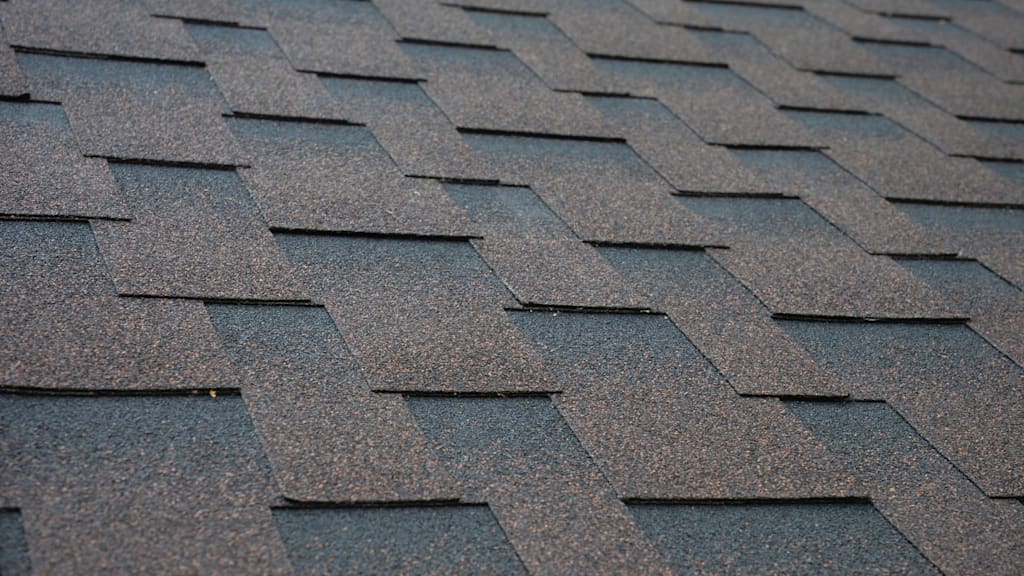
In the wake of major coastal storms like Hurricane Helene, the conversation around home maintenance has fundamentally shifted. For decades, roof replacement was viewed as an eventual cosmetic necessity—a project to undertake when shingles looked weathered. However, the widespread structural damage, water intrusion, and complex insurance processes left behind by extreme weather have pushed resilience to the forefront of property management.
A prominent trend emerging across coastal communities is the transition from traditional materials toward Class 4 impact-rated shingles. This shift is driven by a growing understanding of material science and long-term home economics rather than simple aesthetics.
The Hidden Vulnerabilities of Standard Roofs
To understand why property owners are upgrading, consider how severe weather interacts with traditional building materials. During a hurricane or tropical storm, damage is rarely caused by straight-line winds alone. The true threat is a combination of sudden pressure drops, wind-driven rain, and airborne debris acting as high-speed projectiles.
Standard architectural shingles use a fiberglass mat coated in oxidized asphalt. While they perform reliably under normal conditions, constant exposure to intense coastal UV rays and seasonal temperature shifts bakes the natural oils out of the asphalt, leaving the material rigid and brittle.
When high-velocity debris strikes a rigid shingle, it cannot absorb the kinetic energy, causing it to crack or shatter. High winds can then snap the sealant strips on these weakened shingles, peeling them back and exposing the bare roof deck to rain. Debris also scours away protective mineral granules, accelerating sun damage.
The most insidious damage comes from micro-fractures. When a roof sustains unseen tears from impacts, moisture slowly seeps into the attic. This water intrusion saturates insulation, damages wooden decking, and can eventually compromise electrical wiring. What starts as a minor exterior failure quickly compounds into a costly interior disaster.
The Engineering Behind Impact-Rated Materials
The transition toward resilient roofing relies on a simple engineering principle: flexibility is stronger than rigidity.
Modern Class 4 impact-rated shingles differ fundamentally from standard options in their chemical composition. Rather than relying solely on traditional asphalt, premium impact-resistant shingles incorporate polymer modification. By blending the asphalt with a rubberizing agent—typically Styrene-Butadiene-Styrene (SBS)—manufacturers give the shingle intense elasticity. When struck by flying debris, a polymer-modified shingle flexes to absorb the blow instead of fracturing.
To verify this resilience, materials undergo rigorous standardized testing. The industry benchmark is UL 2218. During this evaluation, steel balls are dropped onto the shingles from heights up to 20 feet to simulate heavy hail and violent, wind-blown debris. To achieve a Class 4 rating—the highest residential designation—the shingle must withstand these impacts without cracking or tearing on the reverse side.
Evaluating the Long-Term Investment
Upgrading to fortified roofing materials naturally changes the financial calculus of coastal homeownership. While the upfront cost of impact-rated shingles is higher than standard architectural options, the return on investment justifies the initial expense for those staying in their properties long-term.
First, many insurance carriers actively offer premium discounts and wind mitigation credits for homes outfitted with UL 2218 Class 4 roofing systems. Insurers recognize that these materials lead to a statistical drop in costly post-storm claims.
Second, by resisting granule loss and fracturing, impact-rated systems drastically reduce the need for emergency post-storm tarping and interior leak remediation. Finally, the enhanced flexibility of SBS-modified shingles helps them comfortably endure the daily thermal expansion and contraction caused by the coastal sun, which naturally extends the overall lifespan of the roof.
Taking a Proactive Approach
As coastal weather patterns continue to test residential infrastructure, waiting for a visible leak is no longer a viable maintenance strategy. Property owners are increasingly monitoring their homes for early warning signs of roof fatigue. Granule accumulation clogging gutters, lifted tabs, curling edges, or subtle water stains on second-floor ceilings are all primary indicators that a roofing system has been compromised.
Catching these signs early and investing in materials engineered for the realities of the coast is the most effective way to protect a home from the top down.
About the Creator
ORB Tree Service Marketing
ORB Tree Service Marketing provides SEO and local search strategies for the tree care and roofing industries. Follow us for insights on search optimization and lead generation for home services.
Enjoyed the story? Support the Creator.
Subscribe for free to receive all their stories in your feed.
Comments
There are no comments for this story
Be the first to respond and start the conversation.