
The Science of Roof Stains: What’s Actually Growing on Your Shingles?
Those dark streaks aren’t soot or dirt—they’re a living organism. Here’s how to handle them without damaging your home.

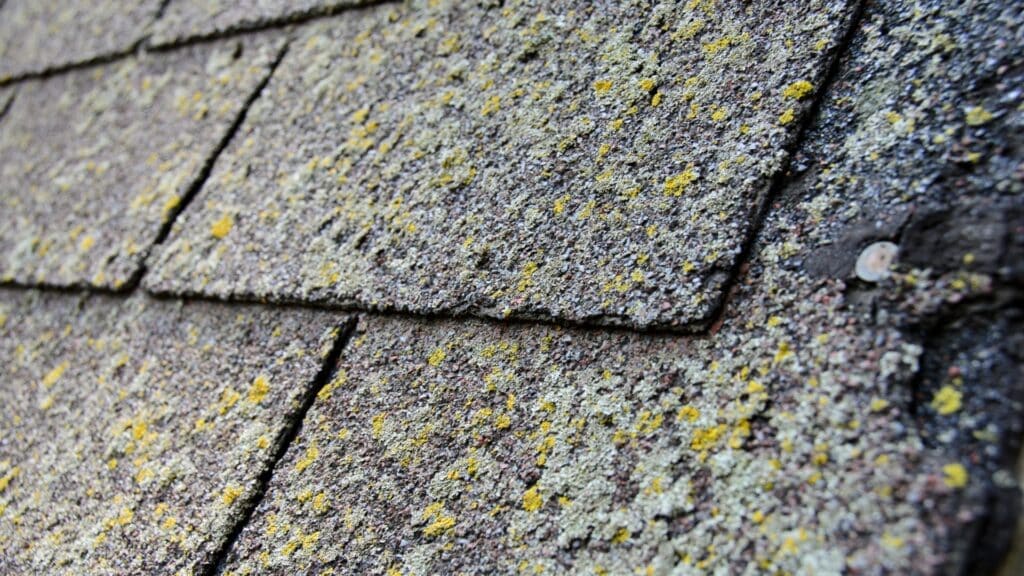
Noticing dark, vertical streaks running down your shingles is a frustrating moment for any homeowner. It is an incredibly common sight, yet almost everyone misdiagnoses it. Your first thought might be chimney soot, tree sap, or a sign that your shingles are simply rotting away.
Before you budget for an expensive roof replacement, take a closer look. What looks like decay from the ground is actually a thriving biological colony. We encounter this issue constantly. Understanding this hidden ecosystem is the first step toward preserving both your home's curb appeal and your wallet.
The Biological Culprit: Gloeocapsa Magma
In almost all cases, those black streaks are caused by a resilient type of cyanobacteria called Gloeocapsa magma. Though classified as a bacterium, it is colloquially known as blue-green algae.
This organism travels through the air as microscopic spores, landing on rooftops and spreading easily from house to house. It thrives in damp, warm, and shaded areas. This is why you will almost always see these streaks develop first on north-facing slopes or directly under overhanging trees, where moisture lingers the longest after a rainstorm.
There is a material science reason modern roofs are vulnerable. To add weight and fire resistance, shingle manufacturers blend a heavy amount of limestone filler into asphalt shingles. To Gloeocapsa magma, that limestone is an all-you-can-eat buffet. As the algae feeds on the shingles and moisture, it secretes a dark, pigment-heavy shell to shield itself from ultraviolet rays. This protective shield is the dark staining you see from the ground.
Diagnosis: Algae vs. Moss vs. Mold
Accurately diagnosing what is growing on your roof is critical. Treating different organic growths with the wrong method can cause severe, irreversible material damage.
Algae: Flat, dark green or black vertical streaks. While initially cosmetic, heavy accumulation absorbs more solar heat. This spikes your attic temperatures and drives up your summer cooling costs.
Moss: A far greater threat. Moss grows in thick, green mats and has root-like structures that lift shingles. This allows wind-driven rain to bypass your primary drainage system, leading directly to wood rot and leaks.
Mold and Mildew: Typically presents as blotchy, dark patches in persistently damp, unventilated areas. True mold is rarely an exterior shingle issue; it usually signals a deeper ventilation failure or an active interior attic leak.
The Danger of Pressure Washing
When homeowners spot these streaks, their immediate instinct is often to rent a heavy-duty pressure washer and blast the shingles clean.
This is a critical mistake. Blasting your shingles with high-pressure water forcefully strips away the protective ceramic granules embedded in the asphalt. These granules protect against solar radiation. Stripping them away severely shortens your roof's lifespan and instantly voids most manufacturer warranties.
Instead, the industry-approved standard is a low-pressure method called soft washing. This process utilizes targeted, gentle cleaning solutions to kill the algae at its biological root. Once dead, the stains can be safely rinsed away without loosening shingles or washing away protective granules.
Prevention
Keeping the algae from returning requires simple, proactive habits that alter the microclimate around your roof:
Trim overhanging branches: This allows direct sunlight to dry the shingles and increases airflow.
Clean your gutters: Blocked gutters trap water and create high-humidity zones.
Clear physical debris: Remove dead leaves and pine needles that collect in roof valleys.
If you are planning a roof replacement, ask about modern, copper-infused algae-resistant shingles. They slowly release copper ions during rainfall, preventing spores from colonizing.
By understanding the biology of your home and using gentle preservation methods, you can keep your roof looking pristine. At Orb Roofing Solutions, we believe that informed maintenance is always your best defense.
About the Creator
ORB Tree Service Marketing
ORB Tree Service Marketing provides SEO and local search strategies for the tree care and roofing industries. Follow us for insights on search optimization and lead generation for home services.
Enjoyed the story? Support the Creator.
Subscribe for free to receive all their stories in your feed.
Comments
There are no comments for this story
Be the first to respond and start the conversation.