
The Role of Insulation in Energy-Efficient Roofing for Slidell Residences
Roofing for Slidell Residences

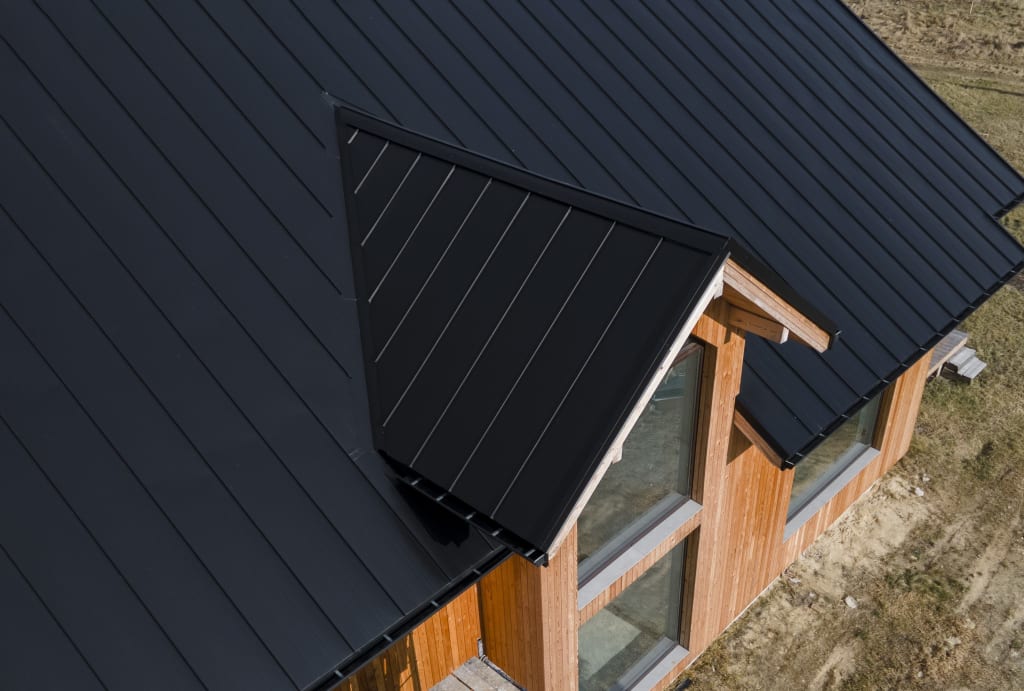
In Slidell, Louisiana, where hot and humid weather is a staple, homeowners are increasingly turning to energy-efficient roofing solutions to combat soaring energy bills and maintain comfortable indoor temperatures. Among the various factors contributing to energy efficiency in roofing, insulation plays a crucial role. Insulation not only helps regulate indoor temperatures but also contributes to reducing energy consumption and environmental impact.
In this article, we will delve into the significance of insulation in energy-efficient roofing for Slidell residences.
Understanding Insulation
Insulation is a material that is installed in the roofing assembly to reduce the transfer of heat between the interior and exterior of a building. It acts as a barrier, preventing heat from escaping during cold weather and from entering during hot weather. In Slidell's climate, where summers are long and sweltering, and winters are mild, effective insulation is essential to maintain comfortable indoor temperatures and reduce the reliance on air conditioning systems. Roof installation in Slidell must prioritize insulation as a key component to address the unique climate challenges of the region.
Benefits of Insulation in Energy-Efficient Roofing
1. Temperature Regulation
Properly installed insulation helps regulate indoor temperatures by minimizing heat transfer through the roof. During the scorching summer months in Slidell, insulation prevents the sun's radiant heat from penetrating the roof and heating up the interior of the home. This reduces the need for excessive air conditioning, resulting in lower energy bills and increased comfort for residents.
2. Energy Savings
By reducing the amount of heat that enters or escapes from a home, insulation contributes to significant energy savings. According to the U.S. Department of Energy, proper insulation can lower heating and cooling costs by as much as 20%. For Slidell homeowners, investing in high-quality insulation as part of their roofing system can lead to substantial long-term savings on energy expenses.
3. Environmental Impact
Energy-efficient roofing with adequate insulation not only benefits homeowners financially but also has positive environmental implications. By reducing energy consumption, Slidell residents can lower their carbon footprint and contribute to mitigating climate change. Additionally, less reliance on air conditioning systems decreases the demand for electricity, thereby reducing strain on the local power grid and promoting sustainability.
Types of Insulation for Energy-Efficient Roofing
1. Fiberglass Insulation
Fiberglass insulation is one of the most common types used in residential roofing. It consists of fine glass fibers and is available in batts, rolls, or loose-fill forms. Fiberglass insulation is known for its affordability, fire resistance, and ease of installation. It effectively slows down heat transfer and helps maintain consistent indoor temperatures throughout the year.
2. Cellulose Insulation
Made from recycled paper products treated with fire-retardant chemicals, cellulose insulation is another eco-friendly option for energy-efficient roofing. It has excellent thermal performance and is particularly effective in reducing air infiltration. Cellulose insulation is often blown into attics or wall cavities, providing a seamless barrier against heat transfer.
3. Spray Foam Insulation
Spray foam insulation is a high-performance option that provides superior air sealing and thermal resistance. It expands upon application, filling gaps and cracks in the roofing assembly, which helps eliminate thermal bridging. While spray foam insulation tends to be more expensive upfront, its long-term energy-saving benefits make it a popular choice among homeowners seeking optimal energy efficiency.
4. Reflective Insulation
Reflective insulation, also known as radiant barrier insulation, is designed to reflect radiant heat away from the home. It typically consists of a layer of aluminum foil laminated to a substrate material. In hot climates like Slidell, reflective insulation can significantly reduce heat gain through the roof, resulting in lower cooling costs during the summer months.
Installation Considerations
Proper installation is crucial to maximizing the effectiveness of insulation in energy-efficient roofing. It's essential to work with experienced roofing contractors who understand the local climate conditions and can recommend the most suitable insulation materials and installation techniques. Additionally, ensuring proper ventilation in the attic space is essential to prevent moisture buildup and maintain the longevity of the roofing system.
Conclusion
In Slidell, where residents contend with hot and humid weather for a significant portion of the year, energy-efficient roofing is a wise investment. Insulation plays a pivotal role in maintaining comfortable indoor temperatures, reducing energy consumption, and promoting sustainability. By choosing the right insulation materials and working with knowledgeable roofing professionals, homeowners can enjoy the benefits of improved energy efficiency and lower utility bills for years to come. Investing in energy-efficient roofing with quality insulation not only enhances the comfort and value of Slidell residences but also contributes to a greener and more sustainable future. Roofing for Slidell residences must prioritize insulation as a key component to address the unique climate challenges of the region.
About the Creator
Enjoyed the story? Support the Creator.
Subscribe for free to receive all their stories in your feed.
Comments
There are no comments for this story
Be the first to respond and start the conversation.