
The Role of Human Oversight in Healthcare Robotics
Healthcare Robotics

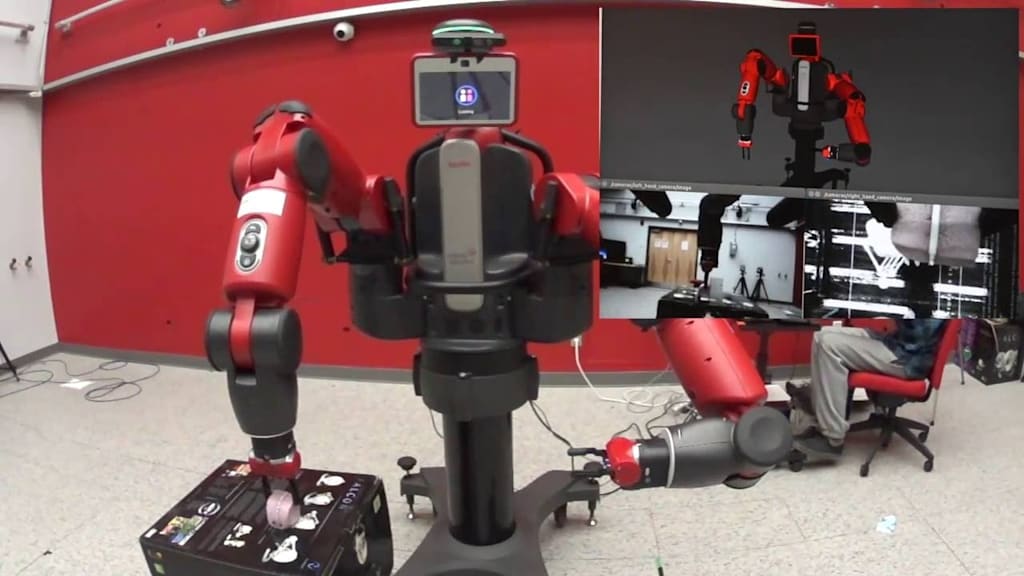
Healthcare systems around the world are increasingly adopting robotic technologies to improve operational efficiency and support medical staff in demanding environments. Hospitals, clinics, and long-term care facilities now use robotic systems for transportation, sanitation, patient assistance, and logistical support. These technologies are helping healthcare providers manage growing workloads while improving workflow organization.
As robotics becomes more common in healthcare settings, experts continue to emphasize the importance of human oversight alongside automation. While robots can complete repetitive and structured tasks efficiently, healthcare environments are highly dynamic and often unpredictable. This makes supervision and real-time operational monitoring an important part of successful robotic integration.
The Expansion of Robotics in Healthcare
Healthcare robots are designed to assist with non-clinical and operational responsibilities that would otherwise consume valuable staff time. By automating routine activities, healthcare workers can focus more on patient care and medical decision-making.
Some common applications of healthcare robotics include:
- Delivery of medications and medical supplies
- Hospital cleaning and sanitation
- Inventory and logistics management
- Patient navigation and assistance
- Facility monitoring and security patrols
- Telepresence and communication support
These robotic systems are particularly valuable in large healthcare facilities where efficiency and organization directly affect patient experience and operational performance.
Why Human Oversight Remains Important
Despite advances in automation and artificial intelligence, robots still face challenges when operating in active healthcare environments. Hospitals and medical facilities constantly change throughout the day due to emergencies, patient movement, equipment relocation, and staff activity.
- Healthcare robots may encounter situations such as:
- Congested hallways and crowded waiting areas
- Unexpected obstacles during navigation
- Temporary layout changes within facilities
- Technical interruptions or connectivity issues
- Interactions requiring human judgment and sensitivity
Because healthcare settings involve patient safety and continuous activity, robotic systems often benefit from additional supervision to maintain reliability and operational consistency.
This is one reason why discussions surrounding robot teleoperation and robot monitoring services have become more common in the broader healthcare technology sector. These systems allow trained operators to supervise robotic activity remotely and assist when automation alone is not sufficient.
How Robot Monitoring Works in Healthcare
Robot monitoring systems typically combine automated robotics with centralized human supervision. Operators can observe robotic activity through monitoring interfaces that include:
- Live video feeds
- Sensor and navigation data
- Performance dashboards
- Real-time system alerts
- Remote communication tools
This approach is often described as a “human-in-the-loop” model because it combines automation with human decision-making support.
In healthcare environments, remote monitoring may help operators:
- Assist robots during navigation difficulties
- Reduce interruptions caused by technical problems
- Improve awareness of robotic activity across facilities
- Support safer operation in sensitive environments
- Maintain smoother workflow performance
Rather than replacing healthcare workers, monitoring systems are generally intended to support existing operations and reduce repetitive workload pressures.
Operational Benefits of Human-Supported Robotics
Healthcare facilities exploring robotic technologies often identify several practical benefits when automation is combined with monitoring support.
Improved Workflow Efficiency
Robots can manage repetitive operational tasks while supervised systems help maintain continuity and reduce delays.
Faster Response to Technical Issues
Monitoring teams may identify operational problems quickly, helping prevent larger disruptions within busy healthcare environments.
Enhanced Safety
Human oversight can improve awareness in situations where robots encounter obstacles, patients, or rapidly changing conditions.
Reduced Administrative Burden
Automated systems may help healthcare staff spend less time on routine logistical responsibilities and more time on patient-focused work.
Scalability Across Facilities
Centralized monitoring systems allow healthcare organizations to supervise multiple robotic systems operating in different locations simultaneously.
Healthcare Environments Using Robotic Systems
Robotic support technologies are now appearing in a variety of healthcare settings.
Hospitals
Hospitals frequently use robots for medication transport, internal deliveries, and operational logistics.
Long-Term Care Facilities
Care facilities may use robotic systems to assist with sanitation, transportation, and support services.
Clinics and Medical Centers
Smaller healthcare facilities are also adopting robotics to improve patient flow and administrative efficiency.
Laboratories and Research Facilities
Controlled laboratory environments often use robotic systems for transporting materials and improving workflow precision.
In each environment, successful robotic operation depends not only on automation but also on adaptability, oversight, and operational coordination.
The Growing Discussion Around Robotics Support Systems
As healthcare robotics expands, industry discussions increasingly focus on how organizations can maintain reliability and safety while scaling automation. Articles discussing robotic infrastructure, monitoring systems, and healthcare operations often reference concepts related to centralized oversight and operational support.
For example, terms such as OBI Services homepage or references to a related industry blog sometimes appear within broader conversations about robotics infrastructure, outsourcing models, and technology support ecosystems. In many cases, these references are part of larger discussions examining how organizations manage emerging automation technologies in practical environments.
The Future of Healthcare Robotics
Healthcare robotics is expected to continue evolving as medical facilities seek more efficient ways to manage operations and patient support services. However, experts generally agree that the future of healthcare automation is unlikely to rely on fully independent systems alone.
Instead, healthcare technology is increasingly moving toward collaborative models where robotics and human oversight work together. This balance allows organizations to benefit from automation while maintaining adaptability, safety, and operational control.
Future healthcare robotics systems may continue helping organizations:
- Improve operational efficiency
- Reduce workflow interruptions
- Support healthcare staff more effectively
- Enhance patient experience
- Expand automation safely across facilities
As robotics technology becomes more advanced, the role of human supervision will likely remain an important component of responsible healthcare automation.
About the Creator
PostSphere
🌟 Helping businesses grow through SEO, guest posting, and expert link building.
Let your content speak on the right platforms.
Enjoyed the story? Support the Creator.
Subscribe for free to receive all their stories in your feed.
Comments
There are no comments for this story
Be the first to respond and start the conversation.