
The Restored Defender Buyer's Guide Nobody Bothered to Write
A practical guide for first-time buyers who want to get it right

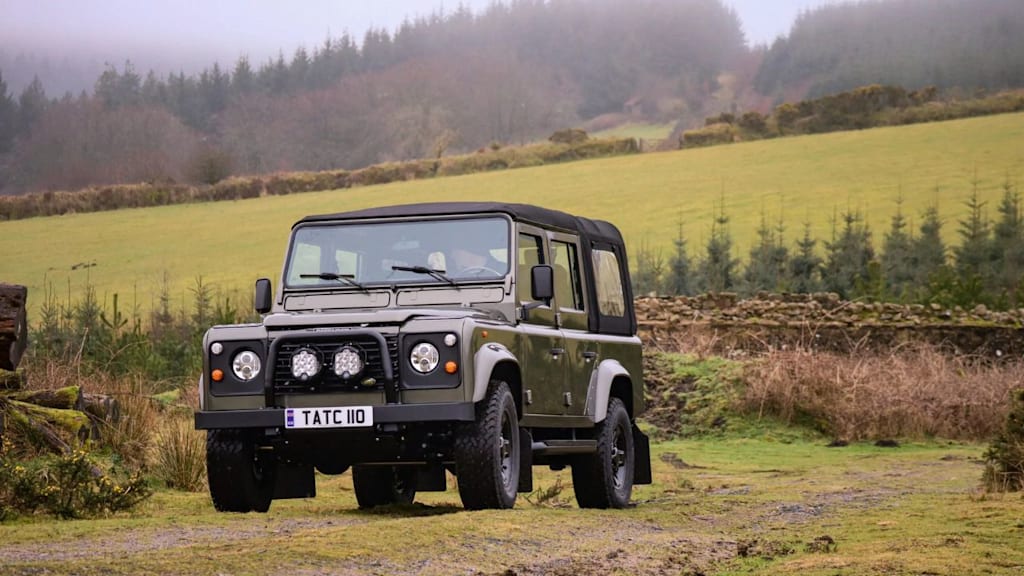
There's Something About a Restored Defender
The moment you see one, you get it. A restored Defender has this raw, no-nonsense presence that's hard to explain but impossible to miss. It doesn't try to be sleek or clever. It just is — solid, characterful, and completely its own thing. There's a reason people who own them tend to keep them for years. Sometimes decades.
But here's the part nobody tells you upfront: not every restored Defender deserves your money.
A lot of first-time buyers get swept up in how good these things look and skip the homework. That's how you end up overpaying for something that looks like a dream but spends half its life in the shop. The fix isn't complicated — slow down, ask better questions, and know what to look for before you hand over your money.
"Restored" Doesn't Mean the Same Thing Twice
This is probably the single most important thing to understand before you start shopping.
Some Defenders have been completely torn down and rebuilt from the ground up — proper chassis work, full mechanical overhauls, upgraded brakes and suspension, the whole job done properly. Others have had a fresh coat of paint, some new seat covers, and a quick once-over to make them look presentable. Sellers can call both of them "restored" without technically lying, and that's where buyers get caught out.
So don't assume. Ask specifically and directly what was done. A seller who's genuinely proud of their work will walk you through every detail without hesitating. One who gets vague, changes the subject, or keeps pointing back to how good it looks? That tells you something too, and it's usually not good.
Look Past the Shiny Stuff
When you're standing in front of one of these vehicles, it's genuinely easy to get distracted by the overall impression. Train yourself to slow down and notice the small things instead, because that's where the truth usually lives.
Outside, check the panel gaps carefully and look at the paintwork in direct sunlight rather than indoors where everything flatters itself. Uneven body lines or rough edges around doors and panels almost always mean someone was cutting corners or rushing to get the vehicle out the door.
Inside, pay attention to how things fit together rather than just how they look in photos. Run your hand along the materials. Check whether trim pieces sit flush or rattle slightly when you push them. Cheap finishes and loose fittings might seem like minor cosmetic issues, but they tend to reflect how the less visible, more important work was handled too. Shortcuts rarely stay in one place.
And when you finally sit behind the wheel and drive it, trust your instincts. A well-restored Defender should feel composed and predictable. If something feels off — a pull in one direction, an odd vibration, a noise you can't quite place — don't talk yourself out of it. Those feelings are usually pointing at something real.
Pick the Right Version for Your Actual Life
Defenders come in different configurations, and which one suits you genuinely depends on how you plan to use it day to day.
The shorter wheelbase models feel agile and fun. They're easier to place on narrow roads and have an energy to them that longer versions don't quite replicate. If you're after something with real character that's enjoyable to throw around, these tend to win people over quickly.
The longer wheelbase versions are a different proposition. They ride more comfortably on longer journeys, handle passengers better, and give you proper space for gear if you actually use your vehicle for practical things rather than just admiring it on weekends.
The honest advice here is to think carefully about your real life, not your ideal version of it. A lot of people buy the one that looks best in their driveway and end up wishing they'd thought it through more carefully. Getting this decision right saves you from a specific kind of regret that Defender owners don't talk about enough.
The Paperwork Is Not Optional
Nobody buys a Defender because they enjoy checking documents, but skipping this part properly is one of the most expensive mistakes you can make in this market.
Check that the VIN matches consistently across all records. Go through registration papers carefully rather than just glancing at them. If the vehicle has been imported, make sure everything is genuinely compliant with the rules where you live — not just approximately compliant, but actually sorted.
A legitimate, well-restored Defender will have a clear and traceable history behind it. Sellers who fumble these questions, get evasive, or keep steering the conversation back toward how it looks are giving you useful information. The right response to that information is to walk away, regardless of how appealing the vehicle itself might be.
Spend Smart, Not Just Carefully
Restored Defenders are not cheap, and the purchase price is only part of what you're actually committing to.
Insurance costs money. Regular maintenance costs money. Parts, when things eventually need attention, cost money. Even a properly rebuilt example needs consistent care — that's simply the reality of owning one of these vehicles, and anyone who tells you otherwise is either uninformed or not being straight with you.
The smarter move is almost always to spend a little more upfront on a vehicle that's been done properly rather than chasing a deal that looks attractive until it isn't. Budget for the real number, including ongoing costs, and be honest with yourself about what you can actually sustain. A Defender that stretches you too thin financially stops being enjoyable very quickly.
Who You Buy From Is Part of the Deal
The seller matters as much as the vehicle itself, and it's worth treating them as part of your evaluation rather than just the person handing over the keys.
Established specialists who focus specifically on Defenders tend to have consistent standards and real reputations to protect. That combination usually results in better vehicles and better support if anything comes up after the sale. Private sellers aren't automatically a problem, but they require more scrutiny, more patience, and more willingness to walk away if something doesn't feel right.
Take a proper test drive — not a short loop around the block, but a real one that gives you time to feel how the vehicle behaves in different situations. And if you're not confident in your ability to judge it mechanically, bring someone who is. Even experienced buyers use second opinions. There's no shame in it, and it's far cheaper than getting it wrong.
When you take the time to do all of this properly, you don't just end up with a good vehicle. You end up with one that feels worth it every single time you drive it.
About the Creator
Bradley Mitchell
I’m a passionate content writer who loves turning ideas into impactful stories. From blog posts to website copy, I create content that not only informs but also engages and inspires readers.
Enjoyed the story? Support the Creator.
Subscribe for free to receive all their stories in your feed.
Comments
There are no comments for this story
Be the first to respond and start the conversation.