
The Reality of Rooftop Energy: What California Homeowners Face in 2026
Navigating the end of the federal tax credit, the shift toward battery storage, and what state support actually remains.

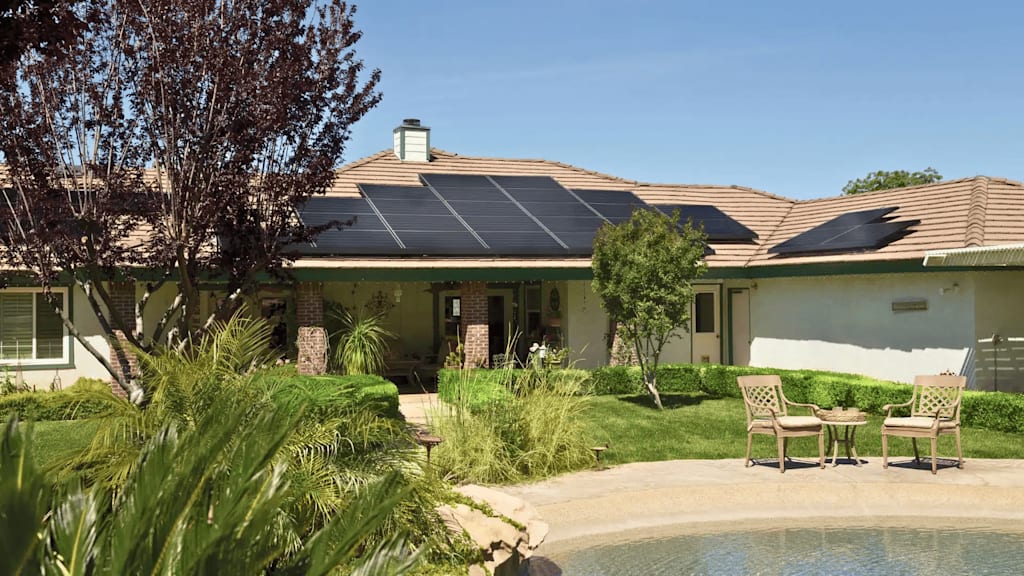
For over a decade, putting solar on a California home followed a familiar pattern. A contractor reviewed your electric bill, pointed to a thirty percent federal tax credit, and explained how your excess midday generation would spin the meter backward to cover night use.
Entering 2026, that comfortable playbook has officially closed.
Residential clean energy rules underwent a major reset this year. For property owners weighing roof condition, heating and cooling demands, and rising electric bills, making a sound investment now requires understanding the actual policies in place rather than outdated sales pitches.
The Federal Credit Cliff
The most decisive shift is the end of the federal Residential Clean Energy Credit under Section 25D, which was terminated under 2025 legislation for new systems completed after December 31, 2025.
Only homeowners whose systems were fully operational before midnight on New Year’s Eve can claim the credit on 2025 filings. For any installation finished in 2026, the federal tax deduction is zero.
Meanwhile, hardware costs have not fallen to offset the loss. Turnkey residential installations in California still average around $2.48 to $2.52 per watt, putting a standard nine-kilowatt system around $22,000 before local incentives. Without federal backing, the financial return must stand on utility bill savings alone.
Why NEM 3.0 Demands Storage
The loss of the federal credit coincided with the full reality of California’s Net Billing Tariff, known as NEM 3.0.
Under older net metering rules, the grid served as a free battery. Midday generation sent to the grid earned credits at full retail rates. Under net billing, however, utilities credit exported power based on wholesale avoided-cost formulas. Because thousands of rooftop systems feed the grid during peak daylight, export values often drop to pennies per kilowatt-hour.
Yet when families run central heating or air conditioning during the peak evening window between 4:00 PM and 9:00 PM, retail electric rates reach their highest prices.
This structure makes standalone solar economically impractical. Sending cheap power to the utility by day only to purchase expensive power at night stretches payback timelines considerably. Battery storage is no longer an optional backup feature; it is the core engine needed to bank afternoon energy for expensive evening consumption.
Remaining State Support
California does not offer a universal rebate check to every property owner. Programs active in 2026 focus strictly on equity tiers and property tax protection.
The Self-Generation Incentive Program continues to fund residential storage through its Equity budget. Eligible low-income households can receive up to $3.10 per watt for solar and $1.10 per watt-hour for batteries, provided the system pairs storage with solar and household earnings sit at or below eighty percent of the local Area Median Income.
For qualifying residents in environmentally overburdened areas, the Disadvantaged Communities Single-family Solar Homes program offers fully covered, zero-cost solar installations within territories served by Pacific Gas and Electric, Southern California Edison, and San Diego Gas and Electric.
For other property owners, California’s Active Solar Energy System New Construction Exclusion prevents solar and battery additions from increasing property tax assessments. However, this statutory exclusion expires on January 1, 2027, requiring installations to be finalized before year-end.
Practical Steps Before Committing
Before signing an agreement, evaluate your property holistically:
Inspect the roof decking and shingles first. Solar arrays last twenty-five years; completing necessary roofing repairs beforehand prevents expensive detachment and reinstallation costs later.
Service heating and air conditioning units and address insulation gaps to lower your baseline energy demand, ensuring you do not overspend on excessive battery capacity.
Check your county median income benchmarks and utility interconnection timelines well in advance of the year-end tax deadlines.
California energy in 2026 takes careful planning, but sensible sizing and realistic math still provide a dependable hedge against rising rates.
About the Creator
ORB Tree Service Marketing
ORB Tree Service Marketing provides SEO and local search strategies for the tree care and roofing industries. Follow us for insights on search optimization and lead generation for home services.
Enjoyed the story? Support the Creator.
Subscribe for free to receive all their stories in your feed.
Comments
There are no comments for this story
Be the first to respond and start the conversation.