
The Real Cost of Building a Smart Home: A Trade Perspective
A practical breakdown of hardware, installation costs, and real energy savings.

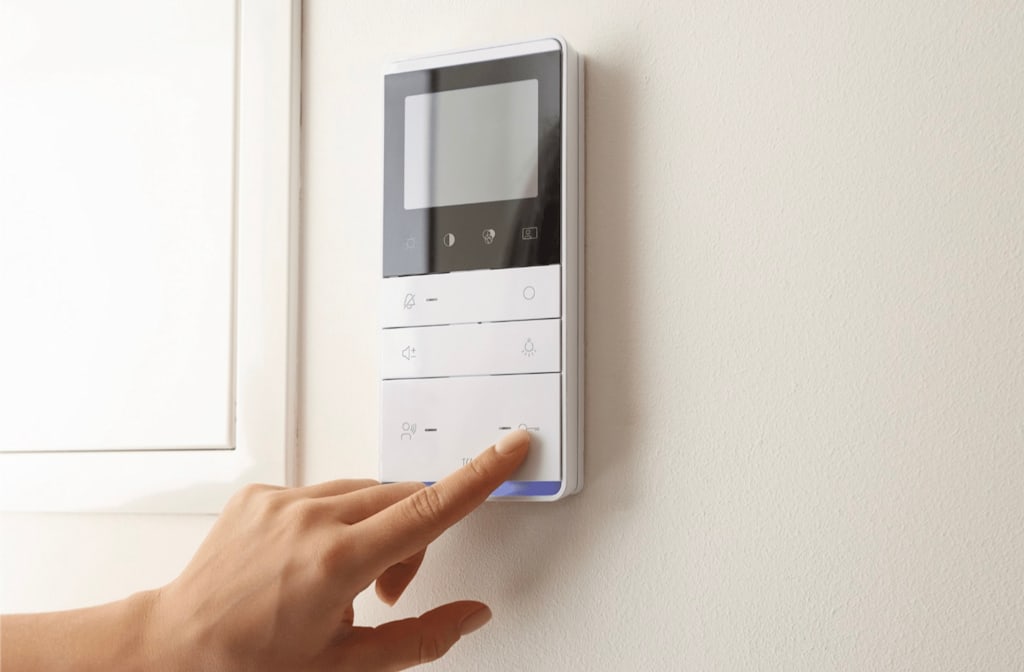
Pop culture once painted a vision of home automation filled with flying cars, voice-operated kitchens, and robot assistants. In reality, modern smart home technology is much more practical and grounded. Today, home automation looks like a thermostat adjusting itself when you leave for work, motorized shades blocking intense afternoon heat, or a deadbolt unlocked remotely when family members arrive early.
Determining what a smart home actually costs remains vague. Estimates range from a $50 video doorbell to a six-figure custom installation. Understanding where true value lies requires looking closely at hardware expenses, trade labor, and potential long-term utility savings.
High-ROI Upgrades: Climate and Lighting
The most practical starting point for any home automation project is with connected systems that actively reduce monthly utility bills.
Smart Lighting
Investment: $100 to $300 per room; $500 to $3,000+ for whole-home setups.
Trade Reality: Replacing a few light bulbs is a simple DIY task. However, swapping standard switches and dimmers throughout an entire house involves electrical work that benefits from a qualified electrician.
Value: LED smart bulbs consume up to 75 percent less energy than incandescent bulbs and last far longer. Automated scheduling ensures lights do not burn in empty rooms.
Smart Thermostats
Investment: $125 to $800+ installed.
Trade Reality: Basic models allow temperature adjustments from a smartphone app. Advanced units use remote sensors and algorithms to map out household routines automatically.
Value: Dialing back heating and cooling when a home is empty yields immediate utility savings. Regional utility providers often offer cash rebates that help offset initial equipment costs.
Automated Window Treatments
Investment: $150 to $1,500+ per window.
Trade Reality: Battery-powered shades are simple to mount, but custom hardwired systems require low-voltage wiring behind drywall.
Value: Automated insulating shades deliver energy savings by reducing summer solar heat gain and retaining indoor warmth during cold winter nights.
Asset Protection and Access Management
Upgrading physical security and managing home access has become straightforward with modern connected hardware.
Video Doorbells ($100 – $800): Wireless options are inexpensive, while high-definition wired models offer higher reliability. Professional installation adds minor labor costs, and cloud video recording carries a modest monthly fee.
Smart Locks ($100 – $900+): Keypads, fingerprint scanners, and phone-controlled deadbolts eliminate lost keys while allowing temporary access codes for guests. Some insurance providers offer policy discounts for installed smart deadbolts.
Connected Security Systems ($100 – $3,000+): Modular starter kits offer basic door sensors and motion detectors at an accessible price, while custom installations provide full property coverage.
Whole-Home Automation
Integrated whole-home automation platforms consolidate audio, lighting, climate control, and security into a single, clean dashboard.
Integrated Systems: $2,000 to $100,000+
Smart Irrigation Systems: $150 to $10,000+ (Weather-adaptive controllers pull live meteorological data to prevent watering during rainstorms.)
Smart Appliances: $150 to $9,000+ (Includes connected kitchen devices and high-end home laundry units.)
Key Factors Influencing Total Project Costs
Three variables heavily impact overall project budgets:
Retrofitting vs. New Construction: Installing low-voltage wiring while walls are open during new construction is simple. Retrofitting an older home frequently reveals outdated electrical panels or aging wiring that must be upgraded to support modern digital loads safely.
Professional Trade Labor: Low-voltage installation labor rates vary based on system complexity. Improper wiring or poor network configuration often leads to troubleshooting costs down the road.
Ongoing Subscription Overhead: Cloud video storage, active alarm monitoring, and premium app features add recurring monthly expenses that should be factored into your total budget.
Finding the Sweet Spot
Building a functional smart home does not require an all-at-once six-figure renovation. Allocating $500 to $2,500 toward foundational improvements—specifically smart light switches, an intelligent thermostat, and a reliable digital lock—delivers the majority of daily convenience while noticeably reducing monthly utility bills over time.
About the Creator
ORB Tree Service Marketing
ORB Tree Service Marketing provides SEO and local search strategies for the tree care and roofing industries. Follow us for insights on search optimization and lead generation for home services.
Enjoyed the story? Support the Creator.
Subscribe for free to receive all their stories in your feed.
Comments
There are no comments for this story
Be the first to respond and start the conversation.