
The Modern Aesthetics of Home: Why Every Detail Is Key to Your Design
What we learned about style, clutter, and visual harmony after paying closer attention to the modern interior environment.
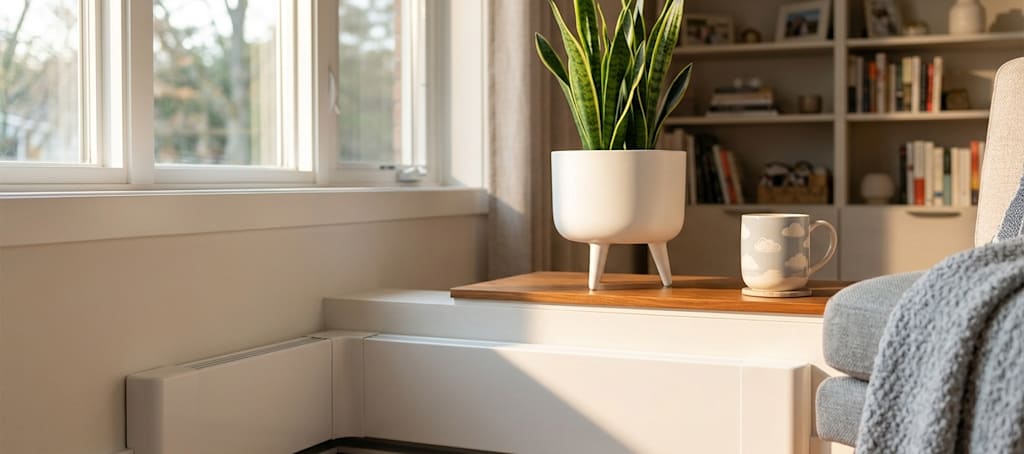
For a long time, homeowners rarely considered the psychological impact of their baseboards. Most people treated them as purely functional elements, meant to mask wall gaps and shield drywall from vacuum cleaner bumps. But after spending a significant amount of time inside over the past few seasons, a shift in perception started to take place.
Certain days felt incredibly inspiring and full of energy, while others brought on an unexplainable sense of distraction, restlessness, or visual fatigue. Initially, it was easy to blame a hectic schedule, long hours, or poor sleep. Eventually, it became obvious that the structural details of the immediate environment were exerting a much stronger influence than previously assumed.
The flow of a room, the quality of natural light streaming in, the presence of scuffed finishes, and the overall design cohesion all play a role in shaping daily mood. This realization highlights the importance of interior design psychology, which examines how individuals interact with and emotionally respond to the architecture of their personal spaces.
What became clear through this exploration completely reshaped the modern approach to residential updates.
The Living Room Is More Than a Place to Watch Television
When evaluating the true social hub of a household, the main living area is typically the first spot that comes to mind, and it makes perfect sense.
Countless memories are built around gathering together during special occasions, unwinding after a long afternoon, or catching up over morning coffee. These organic interactions thrive effortlessly when the surrounding environment feels open, intentional, and visually clean.
Conversely, an outdated, cluttered, or awkward layout can induce subtle, ongoing tension. When a space features distracting eyesores, poor traffic flow, or mismatched design elements, simply trying to relax can feel surprisingly difficult.
Modern interior updates are shifting focus away from mere cosmetic trends toward how residents actually live within a space. Cleaner lines, smarter layout choices, and updated architectural details make daily life smoother while fostering a more welcoming atmosphere for everyone.
A thoughtful room upgrade goes far beyond boosting real estate value; it fundamentally elevates the daily living experience.
Why Radiators Have Become Personal Eyesores
There was an era when home heating elements were judged solely on utility rather than appearance. Today, design-conscious homeowners are challenging that standard.
After long days dominated by digital screens, constant notifications, and endless sensory overload, people look for pockets of visual tranquility within their own walls. Unfortunately, old, dented radiator units often disrupt that sense of peace.
Achieving a high-end, relaxing atmosphere doesn't require a massive budget or a professional contractor. Implementing simple visual enhancements like streamlined trims, cohesive color palettes, and smoother textures can dramatically shift the energy of a room.
Even minor adjustments, such as clearing off nearby surfaces or hiding an unsightly metal fixture, can make a space feel significantly more premium and less chaotic.
While these individual upgrades might seem minor on their own, their combined effect builds a seamless environment that actively promotes mental relaxation.
The Hidden Potential in Dated Finishes
An interesting pattern observed across many properties is that almost every layout contains an overlooked design flaw.
Sometimes it is a dark corner disrupted by old utility fixtures, or an otherwise beautiful room dragged down by peeling paint and rusted metals. These ignored areas hold incredible potential to elevate the home if given the right attention.
With the rise of hybrid schedules, transforming these neglected zones into sleek workspaces, modern lounges, or polished media centers has become a priority. The primary motivation isn't just about escalating market worth, but rather customizing the environment to match a contemporary lifestyle.
Perimeter details are a prime example of this untapped potential. By swapping out deteriorated, sharp metal heating grilles for sleek, durable baseboard heater covers, homeowners can instantly eliminate a major visual distraction.
When every architectural element aligns seamlessly, the home feels entirely cohesive and genuinely rewarding to inhabit.
Clean Architecture Changes More Than a Room
If there is one specific component that consistently dictates the mood of an interior, it is the clarity of its lines and architectural framing.
Design professionals have long noted that clean, uninterrupted walls help reduce cognitive load and enhance feelings of tranquility. While these spatial benefits are well-documented, many people experience the friction of poor design without quite realizing the cause.
Whenever a room feels streamlined and free of awkward protrusions, the mind naturally feels more settled and efficient. Conversely, broken lines, rusted accents, and uneven surfaces leave spaces feeling dated and restrictive.
Fortunately, fixing these structural distractions does not have to involve tearing down walls. Simple, clever changes like upgrading old trim work, applying fresh paint, or masking bulky utilities can make an entire layout feel completely brand new. The transformation can be remarkably profound.
Why We Feel Better Around Symmetry
Have you ever noticed how comforting it feels to step into a perfectly balanced luxury space?
Our psychological response to order and balance is deeply embedded in the human mind. This explains why streamlined surfaces, balanced proportions, and seamless transitions have become essential pillars of modern luxury design.
This design philosophy focuses on removing unnecessary visual noise to establish a sense of structural harmony within the home.
Even modest enhancements can yield a noticeable shift. A unified baseboard profile, continuous flooring, and matching accents make an area feel much warmer and more expansive.
You don't need a total structural overhaul to achieve this look. The objective is simply to establish a sense of refined simplicity throughout the rooms where you spend the majority of your time.
The Surprising Mental Cost of Rust
A lesson that continually proves true is that visual clutter extends far beyond unorganized paperwork.
When a room is interrupted by chipped paint, stained metal, or decaying baseboards, the eyes naturally focus on those flaws. Physical imperfections in a home rapidly translate into a feeling of mental disarray.
Studies in environmental design indicate that repetitive visual stressors pull at our subconscious attention, driving up underlying stress levels while fracturing our focus.
This doesn't mean a living space needs to resemble an untouchable museum showroom. In reality, aiming for impossible perfection introduces a different kind of daily pressure.
The real goal is to implement smart, low-maintenance design solutions that simplify upkeep. Investing in scuff-resistant materials, moisture-proof finishes, and seamless covers eliminates the frustration of constant repairs, creating a much more peaceful backdrop for daily life.
Consistent, smart updates pave the way for the most rewarding long-term transformations.
Final Thoughts
When evaluating home projects, the conversation usually revolves around short-term trends, resale statistics, or raw square footage. While those metrics have their place, a much more meaningful question deserves consideration:
How does the aesthetic of your environment impact your daily peace of mind?
The backdrops of our lives quietly direct our moods, energy levels, and overall comfort. Whether your project involves smoothing out broken wall lines, hiding an old heating unit, or replacing outdated trim, intentional changes bring advantages that go far deeper than surface-level appearance.
Renovating isn't just about creating a house that looks impressive to guests. Ultimately, it is about engineering a refined sanctuary that perfectly supports the life you want to build.
About the Creator
Enjoyed the story? Support the Creator.
Subscribe for free to receive all their stories in your feed.
Comments
There are no comments for this story
Be the first to respond and start the conversation.