
The Invisible Storm: How Winds Ruin a Roof Without Blowing Off a Single Shingle
Missing shingles are easy to spot, but the most expensive storm damage is the kind you can't see from the driveway.

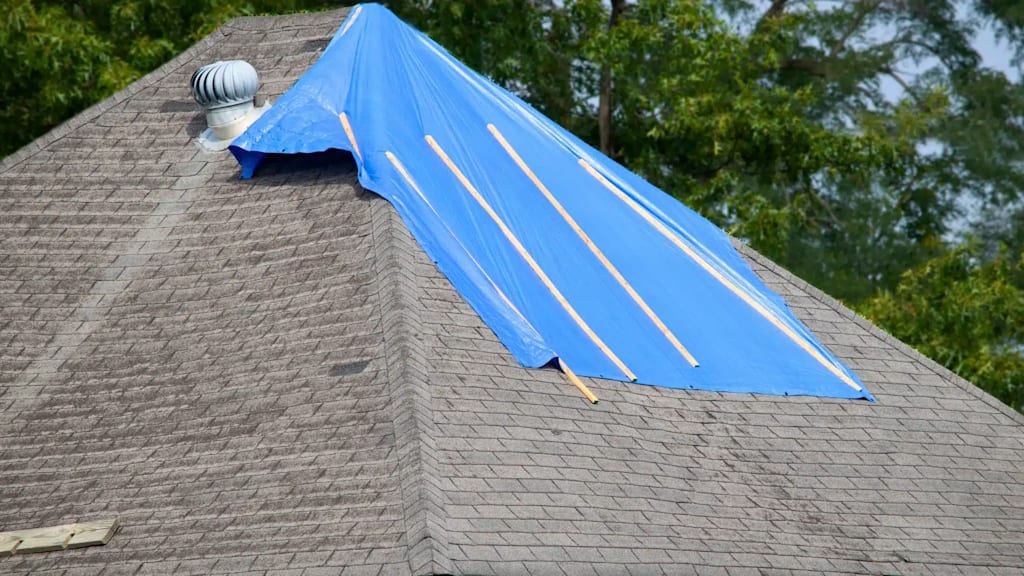
Walking outside after a severe storm to check on your home is practically second nature. You step into the front yard, shield your eyes, and scan the roofline. If every shingle appears flat and accounted for, with no debris on the grass, you breathe a sigh of relief and figure your house weathered the storm just fine.
Unfortunately, visual checks from the driveway can be terribly deceiving.
Over my years with Orb Roofing Solutions, I've lost count of how many homeowners call us in a panic over massive water stains spreading across their ceilings weeks after a storm. Their immediate reaction is total bewilderment. After all, they checked the roof, and it looked completely untouched.
The reality comes down to basic physics: a roof can sustain critical damage while looking pristine from the ground.
The Aerodynamic Reality of Wind Uplift
Wind rarely moves across a structure in a clean, straight line. As high-velocity gusts rush over the slopes and peak of a house, they create localized negative pressure. This aerodynamic force, known as uplift, pulls forcefully on the edges, corners, and overlapping seams of your shingles.
Asphalt roofing systems rely on two main mechanisms to keep water out: mechanical fasteners (galvanized nails) and thermal adhesive sealant strips that bond adjacent courses together into a continuous shield.
During a storm, uplift pressure can yank a shingle upward just enough to rupture that underlying adhesive bond. The nails usually hold, preventing the shingle from flying away. Once the gust passes, gravity drops the shingle right back into place. From the driveway, it looks untouched.
Beneath the surface, however, the continuous moisture seal is destroyed, leaving a direct path for rain to force its way underneath during the next storm.
Three Common Forms of Hidden Damage
When strong gusts compromise a roof without stripping away materials, the damage typically takes three forms:
Ruptured Adhesive Seals: The thermal bond snaps, but the nails keep the shingle attached. The panel sits flat, but strong winds will drive rain straight under the unsealed flap.
Creased Shingles: Extreme gusts bend a shingle backward far enough to fracture its internal fiberglass matting. When the wind lets up, the shingle falls flat again, leaving behind a faint, dark horizontal line that marks physical structural failure.
Perimeter and Flashing Displacement: Uplift forces naturally concentrate along ridges, eaves, rake edges, and metal flashing around chimneys. When these perimeter seals give way, water gains easy access to the underlying wood decking.
Why Neighboring Houses Fare Differently
Two side-by-side houses can sustain completely different levels of damage during the exact same storm due to a few key variables:
Age and Flexibility: Sunlight bakes volatile oils out of asphalt over time. Older, brittle shingles lose their adhesive grip much faster than newer, more pliable ones.
Thermal Curing: Shingles require ambient heat from the sun to activate their adhesive strips after installation. A roof installed in freezing weather without proper thermal bonding remains more vulnerable from day one.
Installation Quality: Nails driven outside the manufacturer's target zone significantly reduce a shingle's hold against uplift forces.
A Safe Post-Storm Ground Protocol
Checking for damage doesn't mean climbing onto the roof. Walking on a compromised roof is unsafe and can break fragile seals that might otherwise have stayed intact.
Instead, perform a ground-level assessment using a pair of binoculars. Scan ridge caps, eaves, and edges for shingles that appear slightly raised, curled, or creased. Inside, check your attic for damp insulation or rafter discoloration, and watch top-floor ceilings for faint water marks after the next rain.
Catching broken seals before the next major rainstorm arrives is the single most effective way to protect your home, prevent interior water damage, and avoid massive repair bills down the road.
About the Creator
ORB Tree Service Marketing
ORB Tree Service Marketing provides SEO and local search strategies for the tree care and roofing industries. Follow us for insights on search optimization and lead generation for home services.
Enjoyed the story? Support the Creator.
Subscribe for free to receive all their stories in your feed.
Comments
There are no comments for this story
Be the first to respond and start the conversation.