
The Invisible Coastal Threat That Silently Wrecks Your Roof
Tropical storms make headlines, but everyday airborne salt causes the subtle, high-cost damage homeowners rarely anticipate.

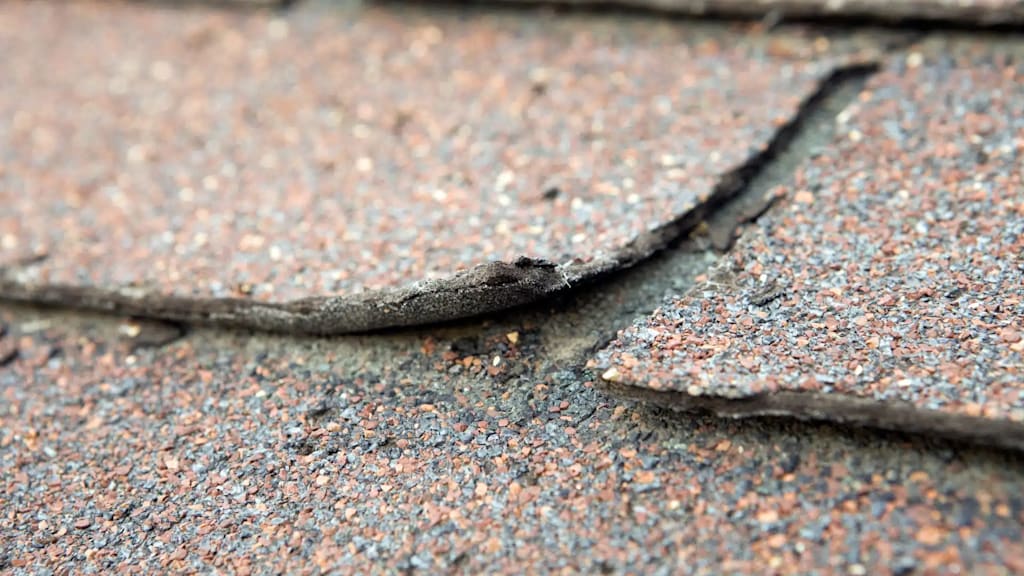
Living near the ocean comes with unmistakable lifestyle perks: fresh sea breezes, scenic views, and a relaxed coastal climate. However, if you own property anywhere near the shoreline, you also know that marine environments demand continuous maintenance. Most homeowners naturally focus their attention on headline weather events like tropical storms, torrential downpours, and intense summer heatwaves. Yet a quieter, far more persistent process occurs overhead every single day—one that routinely catches property owners completely off guard.
That quiet threat is airborne salt air exposure.
A widespread misconception is that salt directly "eats" through roofing materials like an acid. In reality, sodium chloride acts as an atmospheric sponge for humidity. Coastal winds carry microscopic salt particles miles inland on a daily basis. When these tiny particles land on your shingles, metal flashing, exhaust vents, and gutter systems, they immediately begin pulling ambient moisture straight out of the surrounding air.
This process traps a continuous film of dampness against metal components far longer than standard rainwater ever would. Instead of drying off quickly after a storm, your roof remains in a state of persistent micro-dampness. This constant moisture exposure triggers an ongoing cycle of oxidation, rust, and material breakdown. What surprises many homeowners is how far inland this effect reaches. Atmospheric studies demonstrate that saline wind patterns carry enough salt to accelerate corrosion up to ten miles away from the coastline.
A roof almost never fails all at once. Instead, coastal salt air targets vulnerable connection points first, gradually working its way inward toward the primary roof deck:
Flashing and Joint Seals: Metal flashing protects the most sensitive seams on your roof, including areas around chimneys, skylights, valleys, and vent pipes. When rust creates microscopic gaps in these seals, rainwater sneaks directly beneath the protective surface layer.
Nails and Mechanical Fasteners: Fasteners hold the entire roofing assembly together. As steel nails corrode and lose their mechanical grip, shingles and panels become significantly more likely to detach during routine high winds.
Roof Vents and Exhaust Collars: Exposed metal vents face harsh environmental exposure year-round. Rust around pipe boots breaks rubber and sealant bonds, opening up slow, hidden leak pathways into attic spaces.
Asphalt Shingles: While shingles themselves do not rust, trapped salty humidity accelerates protective UV granule loss and weakens the thermal sealant strips underneath. This causes asphalt roofs in coastal areas to age years faster than identical installations situated further inland.
Because salt air damage accumulates so gradually, early warning signs are easy to miss during a quick glance from the driveway. Property owners should watch for orange or brown rust streaks running down from vents or flashing, flaking metal around chimney bases, or shingles that lift easily in a moderate breeze. Discolored metal displaying a chalky or faded finish is another clear indicator that protective factory coatings are beginning to fail.
Catching surface oxidation early makes a substantial financial difference. Spot-treating minor rust spots or replacing damaged flashing early is a manageable, low-cost maintenance task. However, if you allow unchecked corrosion to spread across multiple structural layers until water penetrates interior ceilings, a full roof replacement becomes unavoidable. Architectural shingles might last 20 to 30 years inland, but often fall closer to a 15 to 20-year lifespan in heavy marine environments.
To protect your home, establish a habit of having your roof professionally evaluated once a year. Address small rust spots on metal vents immediately before they expand, keep gutters cleared of leaves so trapped moisture does not rot the roof edge, and always insist on marine-grade stainless steel fasteners if you replace your hardware. Remaining proactive preserves your home and prevents subtle environmental wear from turning into a major expense down the road.
About the Creator
ORB Tree Service Marketing
ORB Tree Service Marketing provides SEO and local search strategies for the tree care and roofing industries. Follow us for insights on search optimization and lead generation for home services.
Enjoyed the story? Support the Creator.
Subscribe for free to receive all their stories in your feed.
Comments
There are no comments for this story
Be the first to respond and start the conversation.