
The Invisible Ceiling of Home Power: Understanding Circuit Upgrades
Why flipping the switch drops the lights, and how to navigate household electrical limits.

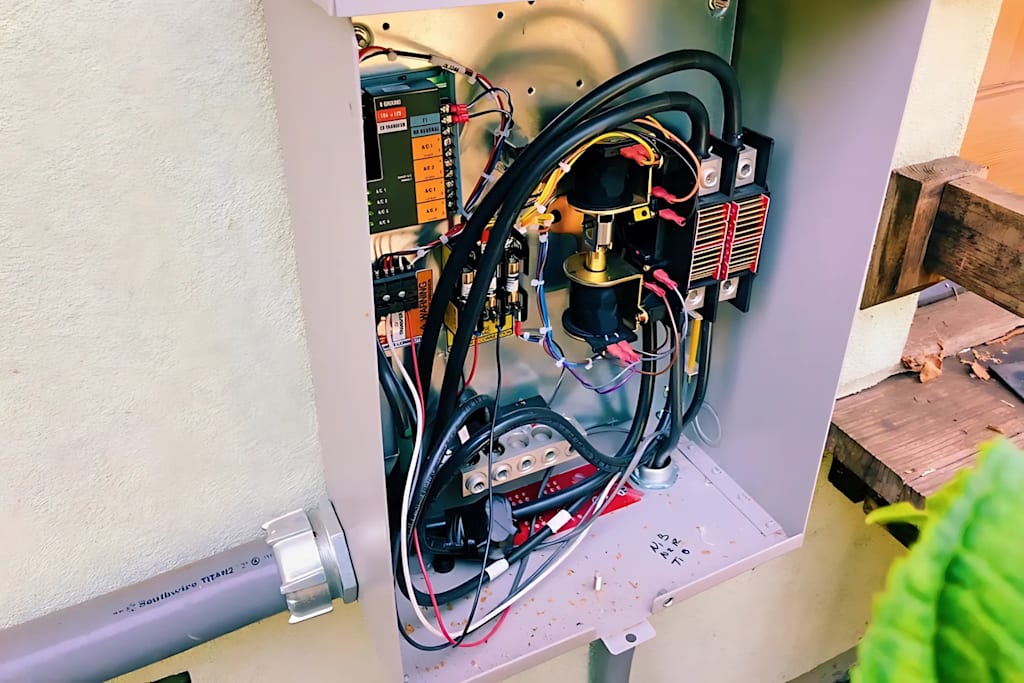
We have all experienced it: you unbox a new high-draw appliance, plug it in, flip the power switch, and everything goes completely dark. Half of your main floor loses power. You trip the breaker, head to the electrical panel, flip it back on, and try again—only for the exact same thing to happen.
Wall outlets feel like endless fountains of energy, but home electrical systems operate under strict physical limits. The wiring hidden behind your drywall can handle only a specific amount of electrical current before safety features kick in to prevent catastrophe. Understanding how circuits function helps keep your home upgrades running smoothly.
The Physics Behind the Breaker
Circuit breakers trip to prevent fires. As electrical current flows through copper wiring, natural resistance generates heat. If too many devices draw power on a single line, heat builds up rapidly. The breaker acts as a safeguard, cutting off power before wire insulation melts and damages property.
Building codes rely on the eighty percent rule, which dictates that a circuit breaker should never carry a continuous load exceeding eighty percent of its labeled capacity. An electric car charger or space heater running for hours demands a high percentage of that safety limit by itself.
Overall panel capacity also matters. Many older homes rely on 100-amp panels, which struggle to support modern high-draw electronics, while newer homes utilize 200-amp service panels to manage modern household electricity.
Nine Scenarios That Require a Dedicated Circuit
A dedicated circuit feeds power to one single appliance, ensuring heavy demands do not strip capacity from other devices. Installing a new circuit is essential in these nine common scenarios:
Kitchen Upgrades: Modern refrigerators, dishwashers, and electric ranges draw massive power. Operating them together on older shared lines guarantees overloaded breakers.
Finishing a Basement: Turning unfinished square footage into a living space requires dedicated lines for lighting, entertainment centers, and wall outlets.
Converting a Garage: Transforming a garage into a workshop, gym, or office demands dedicated lines for heavy power tools and electronics.
Heating and Cooling Upgrades: HVAC units draw massive power surges upon starting up. Dedicated lines prevent nuisance trips across the home.
EV Chargers: Level 2 chargers pull heavy, continuous amperage for hours, making a dedicated line a non-negotiable safety requirement.
Renovating Older Homes: Older branch wiring frequently fails to satisfy modern building codes or power demands during a remodel.
Pools and Hot Tubs: Equipment operating near water requires a dedicated ground-fault circuit interrupter (GFCI) line to prevent shock hazards in wet environments.
Dedicated Home Offices: Running multiple monitors, desktop towers, and printers on a standard bedroom line can cause power dips and mid-day shutdowns.
Sump Pumps: A sump pump needs an isolated line so an unrelated appliance fault won't trip the breaker and risk basement flooding during heavy rain.
What Drives Installation Costs?
When budgeting for a new circuit, several core factors shape the price:
Distance: Long wire runs to detached garages or outdoor patios require extra conduit, cabling, and labor.
Panel Capacity: If your main breaker box has no open slots, an electrician must add a subpanel or upgrade your electrical panel.
Accessibility: Routing wire through open joists in an unfinished basement is fast. Snake-routing wire through finished drywall takes significantly more time.
Hardware: Specialized GFCI or arc-fault breakers carry higher material costs than standard basic circuit breakers.
Permitting: Municipal permitting and inspection fees vary across local building departments.
Safety First
Flickering lights, faint buzzing near the breaker panel, or warm outlet faceplates indicate your electrical system is running at its limit. Working inside a live panel carries serious risks of electrical shock and fire hazards. Partnering with a qualified, licensed electrician ensures your home stays safe, permitted, and up to code.
About the Creator
ORB Tree Service Marketing
ORB Tree Service Marketing provides SEO and local search strategies for the tree care and roofing industries. Follow us for insights on search optimization and lead generation for home services.
Enjoyed the story? Support the Creator.
Subscribe for free to receive all their stories in your feed.
Comments
There are no comments for this story
Be the first to respond and start the conversation.