
The Invisible Aftermath: What Happens to Your Roof After a Hailstorm
Why driveway checks miss hidden structural damage, and how to evaluate property risk before leaks start.

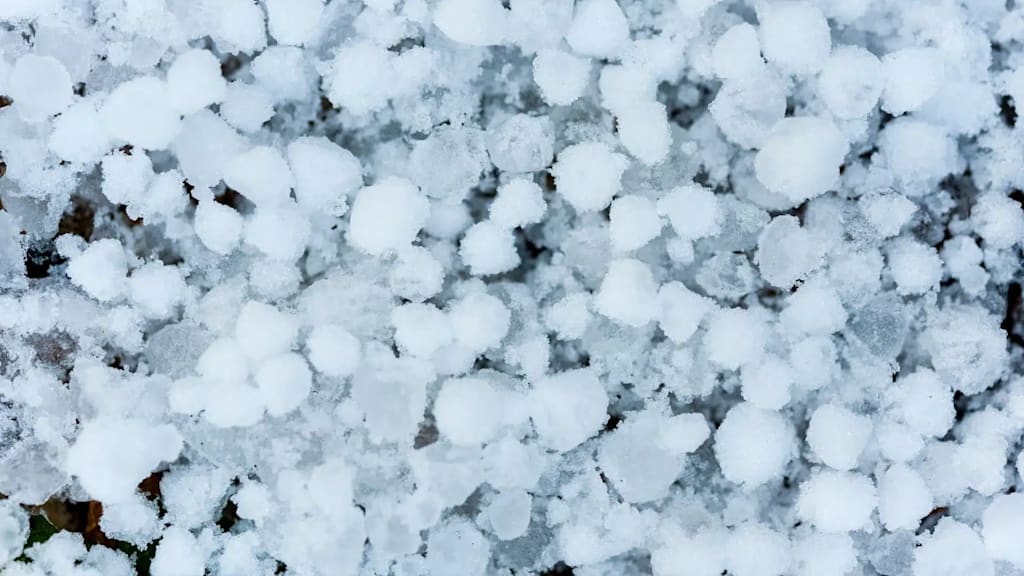
When a severe thunderstorm passes through a neighborhood, the aftermath is loud and obvious. Hail clatters against windows, wind whips through trees, and rain gushes down the driveway. Once the sky clears, a quiet ritual takes place: homeowners step outside, stand near their driveways, and gaze up at their roofs.
If there are no missing shingles, the common assumption is that the house escaped untouched. In residential maintenance, that assumption is frequently a costly mistake.
Severe weather presents two quiet threats to a home’s exterior: high-velocity hail strikes and wind-blown tree canopies. While catastrophic storm damage makes headlines, the cumulative wear caused by smaller hail impacts and scraping branches is far more common—and often far more expensive over time.
The Physics of Hidden Impact
Roofing systems are built to shed water, but they are not impervious to impact force. Hail strikes rarely punch obvious holes straight through a roof. Instead, ice pellets create localized structural fracturing known as "shingle bruising."
When hail strikes an asphalt shingle, the force crushes the underlying composite matting. This compression dislodges the protective mineral granules that shield asphalt from the sun. Without these granules, raw asphalt is exposed directly to harsh ultraviolet radiation, causing it to dry out, crack, and lose its waterproofing capacity.
Subtle storm damage surfaces in specific ways:
Asphalt Shingles: Soft, bruised spots in the matting, fine micro-cracks, and granule buildup in gutters.
Metal Flashing: Dings, displaced sealant, or small gaps near roof intersections.
Roof Accessories: Hairline cracks in vent hoods, dented caps, and fractured skylight seals.
Because modern roofs use synthetic underlayment, moisture rarely leaks into living spaces immediately after a storm. Instead, water slowly migrates through fractured layers over months of rain and winter freeze-thaw cycles.
The Hazard of Overhanging Trees
Trees add value to a property, but unmanaged branches hanging over a roof present persistent hazards during severe weather.
High winds cause heavy limbs to sway, dragging branches across roof slopes. This scraping strips away protective granules and bends metal flashing.
Overhanging limbs also drop organic debris onto vulnerable slopes. Accumulated leaves and twigs trap moisture in roof valleys and gutters. When hail lodges into these piles of damp debris, it creates heavy mats that accelerate wood rot along the roof edge and encourage ice damming during winter.
Navigating Evaluations and Insurance
When severe weather rolls through, many homeowners instinctively call their insurance provider right away. Opening a formal claim before obtaining an independent physical inspection carries unexpected downsides.
Filing a claim creates an official entry on a property's record, regardless of payout. If an adjuster determines that damage is cosmetic or costs less than your policy deductible, the claim closes without a payout—yet the record remains on file.
A prudent evaluation sequence relies on three steps:
Secure an Inspection: Have a professional inspect the roof surface, flashing, and surrounding tree overhangs.
Review Photography: Examine clear photos of bruised shingles, granule loss, or bent flashing.
Calculate Financials: Compare repair estimates against your policy deductible. Only file a claim if documented losses exceed your deductible threshold.
Repair Versus Replacement
Deciding between spot repairs and a full replacement depends on a few key factors:
Damage Density: Isolated hail strikes or branch scrapes can be resolved with spot repairs. Widespread granule loss across multiple slopes compromises the entire system.
Material Age: Younger shingles absorb minor impacts well. Older shingles lose elasticity, making spot repairs on an aging roof a temporary fix.
Freeze-Thaw Expansion: Trapped moisture inside bruised matting expands during winter freezes, turning tiny surface flaws into open leaks.
Addressing subtle storm wear early, trimming overhanging branches, and taking a methodical approach after severe weather preserves structural integrity and avoids costly emergency repairs down the road.
About the Creator
ORB Tree Service Marketing
ORB Tree Service Marketing provides SEO and local search strategies for the tree care and roofing industries. Follow us for insights on search optimization and lead generation for home services.
Enjoyed the story? Support the Creator.
Subscribe for free to receive all their stories in your feed.
Comments
There are no comments for this story
Be the first to respond and start the conversation.