
The Homeowner’s Guide to Exterior Property Maintenance in Fort Washington, MD
Property Maintenance in Fort Washington, MD

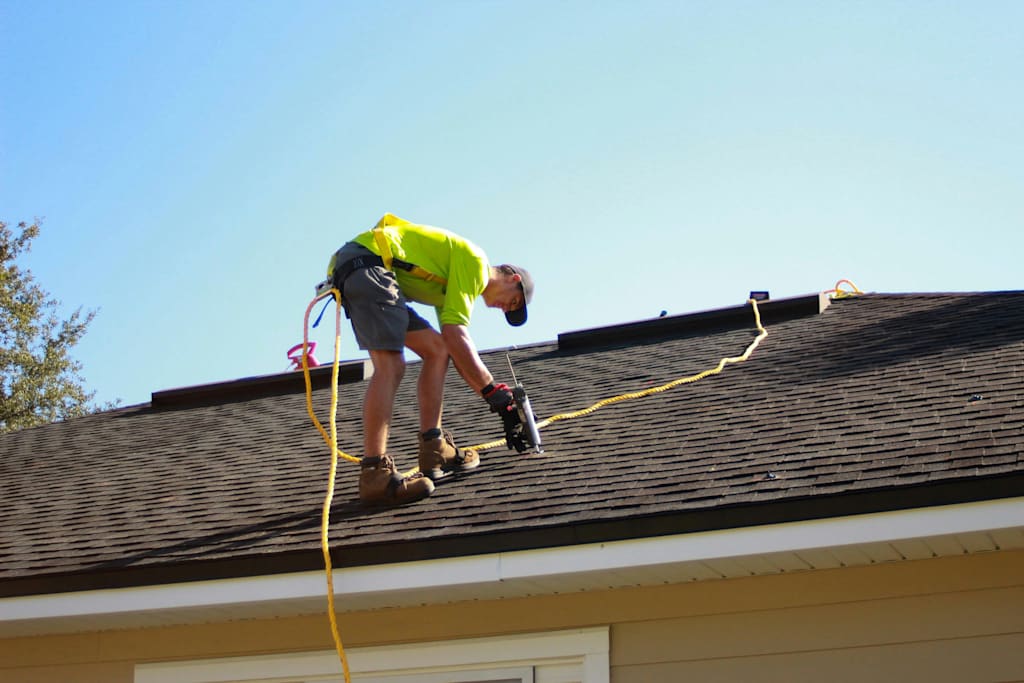
Maintaining a home’s exterior along the Potomac River and throughout Prince George's and Charles County requires a deep understanding of local environmental factors. The mid-Atlantic climate brings a volatile mix of high humidity, shifting seasonal temperatures, and dense tree canopies. For property owners in Fort Washington, MD, these elements accelerate the accumulation of biological growth like mold, mildew, algae, and moss on residential surfaces.
Understanding the science behind exterior surface degradation, the mechanical differences between cleaning methodologies, and regional environmental challenges is essential for protecting structural integrity and maximizing curb appeal.
1. The Environmental Factors Impacting Fort Washington Homes
Properties in Power washing Ft Washington MD, Maryland, face specific microclimatic challenges due to their geographic proximity to major waterways and extensive regional woodlands.
High Relative Humidity and Biological Growth
The Potomac River basin generates high baseline humidity throughout the spring and summer months. This persistent atmospheric moisture creates an ideal breeding ground for airborne fungal spores and algae. When these organisms land on porous exterior surfaces—such as vinyl siding, stucco, concrete, or pressure-treated wood decking—they establish stubborn colonies.
- Gloeocapsa Magma: This specific type of cyanobacteria (often mistaken for dirt or mold) thrives on asphalt shingle roofs. It manifests as dark, unsightly vertical streaks. The bacteria feed on the calcium carbonate filler used in modern shingles, gradually weakening the roofing material and increasing heat absorption, which raises cooling costs.
- Green Algae and Mildew: Commonly found on the north-facing walls of homes in neighborhoods like Tantallon or Piscataway Hills, these organisms thrive where direct sunlight is limited. If left untreated, they degrade paint finishes and can rot wood elements.
Canopy Cover and Organic Debris
Many residential areas across Southern MD boast mature hardwood canopies. While these trees offer shade and aesthetic value, they drop pollen, sap, leaves, and organic particulate matter onto roofs, gutters, and driveways. This debris forms a nutrient-rich layer that accelerates biological growth and stains surfaces over time.
2. Technical Distinctions: Power Washing, Pressure Washing, and Soft Washing
To preserve exterior surfaces effectively, property owners must understand that different substrates require specific cleaning techniques. Using improper pressure levels can cause permanent material damage.
Power Washing
Power washing utilizes heavy-duty mechanical equipment to deliver a high-pressure stream of heated water. The thermal energy breaks down stubborn, embedded contaminants.
- Best Used For: Large, non-porous surfaces with heavy oil staining, grease buildup, or deeply embedded grime.
- Application: Commercial concrete pads, gas stations, or neglected industrial surfaces. It is rarely recommended for standard residential siding due to the risk of heat-induced warping.
Pressure Washing
Pressure washing relies entirely on mechanical impact force using ambient-temperature water, typically measured in Pounds per Square Inch (PSI) and Gallons per Minute (GPM).
- Best Used For: Hard, dense surfaces like unsealed concrete driveways, brick masonry, and stone walkways.
- Risk Factors: High PSI streams (above 2,500 PSI) can easily erode the surface cream layer of concrete, etch wood grain, blow out mortar joints in brickwork, and breach the water-resistant barriers behind residential siding.
Soft Washing
Soft washing is a low-pressure cleaning method that uses specialized chemical solutions rather than high mechanical force. It typically operates below 500 PSI—similar to a standard garden hose pressure.
- The Chemistry: It relies on a balanced mixture of surfactants (which break surface tension) and sodium hypochlorite or alternative eco-friendly biocide agents to sanitize surfaces by killing biological growth at its root structure.
- Best Used For: Delicate residential substrates including vinyl siding, fiber-cement boards (HardiePlank), stucco, dry-vit, and asphalt shingle roofs.
3. Roof Infrastructure and Gutter Dynamics
The roof and drainage infrastructure represent a home's primary defense against water damage. When gutters fill with leaves and organic silt, they overflow, spilling water down the exterior siding. This chronic exposure causes rapid algae growth and can undermine the home's foundation.
Comprehensive property maintenance requires treating the roof, gutters, and architectural siding as an interconnected system. Expert guidance on keeping these drainage paths clear can be found through specialized regional platforms like gutterdogs.com, which emphasize the importance of preventative clearing to stop moisture retention before it requires intensive surface remediation.
4. Regional Focus: Southern MD and Charles County Environmental Variance
Property maintenance requirements shift as you move from the suburban corridors of Fort Washington, MD deeper into Southern MD, including areas throughout Charles County (such as Waldorf, La Plata, and Indian Head).
Agricultural and Coastal Exposure
Properties located further south face a unique combination of coastal brackish air from the lower Potomac and Patuxent rivers alongside airborne dust and particulates from local agricultural operations.
- Salt Corrosion and Film: Coastal winds deposit microscopic salt particles onto exterior surfaces. If not regularly rinsed via controlled soft washing, this salt layer accelerates the oxidation of metal trim, hardware, and aluminum siding.
- Iron Stain Outbreaks: Many properties in rural Charles County rely on well water systems with high iron content. Standard lawn irrigation systems can leave dark orange or rust-colored iron oxide stains on foundations, vinyl siding, and walkways, which require targeted oxalic acid treatments to dissolve.
5. The Value of Maintenance vs. Emergency Remediation
Proactive property washing is an investment in asset preservation rather than a purely cosmetic choice. Delaying exterior cleaning can lead to costly structural failures.
Preventing Premium Material Failures
When algae and mold are allowed to sit on painted wood or composite surfaces, they trap moisture against the substrate. Over time, this constant moisture breaks down protective finishes, leading to paint peeling, wood rot, or composite warping. Replacing a compromised deck or residing a home costs significantly more than regular, low-pressure maintenance washes.
Restoring Structural Thermal Dynamics
A clean roof reflects solar radiation as originally designed by the manufacturer. When a roof is covered in black streaks of Gloeocapsa magma, the dark surface absorbs excess heat, warming the attic space and forcing HVAC systems to work harder during hot Maryland summers.
6. Frequently Asked Questions (FAQ)
What is the difference between power washing and soft washing?
Power washing relies on heated water delivered at high mechanical pressures to strip away stubborn grime from durable surfaces. Soft washing uses low-pressure delivery systems (under 500 PSI) combined with specialized, biodegradable cleaning solutions to kill mold, mildew, and algae at the root without damaging fragile surfaces like vinyl siding or roofing shingles.
How often should a home in Fort Washington, MD be washed?
As a general rule, residential properties in the Fort Washington and broader Southern MD regions benefit from an exterior washing every 12 to 18 months. Homes situated in heavily wooded sections or those with north-facing walls that receive minimal sunlight may require annual cleaning to prevent thick algae buildup.
Will the cleaning solutions damage my landscaping or plants?
When performed correctly, the soft washing process protects surrounding landscaping. Protective protocols involve thoroughly pre-wetting all nearby plants and grass with fresh water to saturate their root systems, preventing them from absorbing the cleaning solution. The area is rinsed again thoroughly during and after the application to ensure any overspray is fully diluted.
Can high-pressure washing cause leaks inside my house?
Yes. Using high-pressure washing equipment on residential siding can easily dislodge panels, crack vinyl components, or force water past the interlocking seams. This trapped water can compromise the underlying house wrap, saturate the wooden sheathing, and lead to interior wall leaks and hidden mold growth.
Why are there black streaks on my roof, and can they be washed off safely?
The dark vertical streaks on your roof are caused by an algae colony called Gloeocapsa magma. These streaks can be safely removed using standard soft washing protocols recommended by the Asphalt Roofing Manufacturers Association (ARMA). High pressure should never be used on a roof, as it dislodges the protective mineral granules and shortens the lifespan of the shingles.
Final Thoughts
The unique environmental conditions in Fort Washington, MD, and across Southern MD demand a proactive approach to home maintenance. High humidity, heavy tree cover, and coastal influences create an environment where organic growth thrives on residential siding, roofs, and driveways.
By understanding the distinct advantages of low-pressure soft washing over high-pressure methods, homeowners can protect their structural investments, maintain optimal thermal efficiency, and preserve property values. Treating exterior cleaning as essential preventative maintenance helps avoid costly premature material replacements, keeping regional properties beautiful and structurally sound for years to come.
About the Creator
jiya
I'm Jiya Jim, and I'm passionate about writing engaging content for businesses & contributing!
Enjoyed the story? Support the Creator.
Subscribe for free to receive all their stories in your feed.
Comments