
The Hidden Psychology of Home: Why Your Space is Key to Your Wellbeing
What we learned about stress, focus, and well-being after paying closer attention to the living environment.
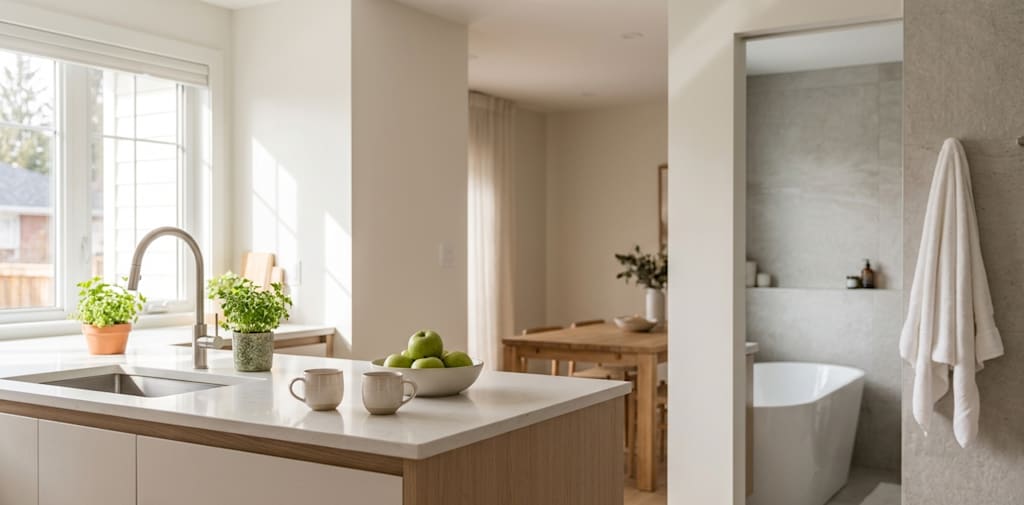
For a long time, People never gave much thought to the psychological impact of home. Like most people have viewed it as a functional space, a place to sleep, eat, work, and relax. But after spending more time indoors over the past few years, they started noticing something interesting.
Some days they felt productive and energized, while on other days they felt distracted, restless, or overwhelmed without any obvious reason. At first, people blamed their schedule, workload, or lack of sleep. Eventually, they realized that their surroundings were playing a much bigger role than they had imagined.
The layout of a room, the amount of natural light coming through a window, the level of clutter on a countertop, and even the purpose of a particular space can influence how we feel throughout the day. This realization led people to explore the growing field of environmental psychology, which studies the relationship between people and the spaces they inhabit.
What we discovered changed the way we think about home improvement.
The Kitchen Is More Than a Place to Prepare Food
When people talk about the heart of a home, the kitchen is usually the first room that comes to mind, and for good reason.
Some of their favorite memories involve gathering around a kitchen island during holidays, chatting with family while dinner cooks, or simply sharing coffee with friends. These moments happen naturally when a space feels welcoming and functional.
On the other hand, a cramped or poorly organized kitchen can create unnecessary stress. When there's not enough workspace, limited storage, or awkward traffic flow, even simple tasks can feel frustrating.
Many modern kitchen renovations focus less on appearances and more on how people actually use the space. Better organization, improved lighting, and thoughtful layouts can make daily routines smoother while encouraging more interaction among family members.
A well-designed kitchen doesn't just improve a home's value; it improves the experience of living in it.
Why Bathrooms Have Become Personal Retreats
There was a time when bathrooms were viewed as purely practical spaces. Today, many homeowners are rethinking that idea.
After long workdays filled with screens, notifications, and constant distractions, people increasingly seek small moments of peace within their own homes. For many, the bathroom has become one of those places.
You don't need a luxury spa to create a calming environment. Simple upgrades such as warmer lighting, better organization, softer textures, and natural materials can make a noticeable difference.
We've noticed that even small changes, removing clutter from countertops or adding a plant near a window, can make a room feel less rushed and more restorative.
These details may seem insignificant individually, but together they help create an environment that encourages relaxation.
The Hidden Potential in Unused Spaces
One thing we've learned while visiting different homes is that almost everyone has an underused area.
Sometimes it's a basement filled with storage boxes. Other times, it's a spare room that serves no real purpose. These forgotten spaces often have far more potential than we realize.
As remote work became more common, many people transformed unused areas into home offices, workout rooms, creative studios, or guest accommodations. The goal wasn't simply to increase property value, but rather it was to create spaces that supported their lifestyles.
Basements are a particularly interesting example. With proper planning, they can become some of the most functional rooms in a home. Factors such as moisture control, lighting, and layout are especially important when converting below-grade spaces. Homeowners considering such a project may find this practical guide regarding the secret to a successful basement renovation helpful.
When every room has a purpose, a home feels more intentional and enjoyable to live in.
Natural Light Changes More Than a Room
If there's one feature that consistently appears in discussions about wellbeing, it's natural light.
Researchers have found that exposure to daylight can help regulate sleep cycles, improve mood, and support productivity. While these benefits are backed by science, many people have experienced them firsthand without realizing it.
Whenever people work in a room with plenty of natural light, they tend to feel more focused and energized. Darker spaces often leave people feeling sluggish, especially during the winter months.
Fortunately, increasing natural light doesn't always require major renovations. Sometimes simple changes, such as repositioning furniture, using lighter colors, or keeping windows unobstructed, can make a room feel completely different. The impact can be surprisingly powerful.
Why We Feel Better Around Nature
Have you ever noticed how relaxing it feels to spend time outdoors?
Researchers believe our connection to nature is deeply rooted in human psychology. That's one reason why natural materials, indoor plants, and views of greenery have become popular elements in modern home design.
This concept, often referred to as biophilic design, focuses on bringing aspects of nature into built environments.
Even small additions can have an effect. A few plants, natural wood finishes, or earthy colors can make a room feel warmer and more inviting.
You don't need to transform your home into a greenhouse. The goal is simply to create subtle reminders of the natural world within the spaces where we spend most of our time.
The Surprising Mental Cost of Clutter
One lesson we continue to relearn is that clutter affects more than appearance.
Whenever a desk becomes crowded with papers or a room fills with unnecessary items, people find it harder to focus. What starts as physical clutter often becomes mental clutter as well.
Research suggests that visual distractions compete for our attention, increasing feelings of stress and reducing our ability to concentrate.
That doesn't mean every home needs to look perfect. In fact, perfection can create its own pressure.
The goal is simply to create systems that make daily life easier. A designated place for keys, organized storage solutions, and regular decluttering can reduce frustration and help create a greater sense of calm.
Small habits often produce the biggest long-term results.
Final Thoughts
When people think about home renovations, they often focus on resale value, design trends, or square footage. Those factors matter, but we've come to believe there's a more important question worth asking:
How does your home make you feel?
The spaces we live in quietly shape our daily experiences. They influence our mood, our stress levels, our productivity, and even our relationships. Whether it's improving natural light, reclaiming an unused room, or simply reducing clutter, thoughtful changes can have benefits that extend far beyond aesthetics.
Home improvement isn't always about creating a more impressive house. Sometimes it's about creating a space that better supports the life you're trying to live.
About the Creator
Enjoyed the story? Support the Creator.
Subscribe for free to receive all their stories in your feed.
Comments
There are no comments for this story
Be the first to respond and start the conversation.