
The Hidden Physics of Sinking Pavers: What’s Happening Beneath Your Feet
Why quick surface patches fail to stop hardscape settlement, and how water and soil dynamics dictate long-term durability.

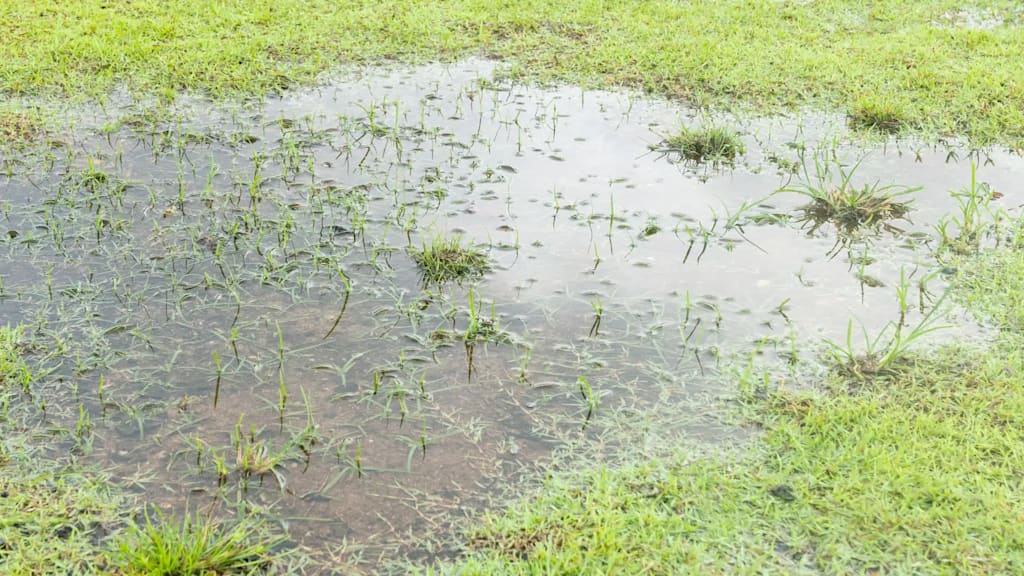
If you have ever spent time walking across driveways or patios in South Florida, you have likely run into a frustrating scenario. You step out onto your back patio with a morning coffee, only to stub your toe on a paver edge that sat completely flat last year. Or maybe you pull into the driveway after a short summer thunderstorm and notice a persistent puddle pooling in a low spot near the garage.
When hardscape surfaces begin to dip, shift, or trap standing water, the immediate impulse is to blame the concrete or stone blocks. Property owners often assume the pavers were low quality or simply wore down over time.
The blocks themselves, however, are almost never the problem. Interlocking pavers are dense, durable, and built to handle heavy traffic. The actual structural failure is happening completely out of sight, inches beneath your feet.
The Mechanics of Subsurface Failure
An interlocking paver setup functions as a single, flexible structural assembly. Individual pavers sit on a thin bed of sand, which rests on a thick foundation of heavily compacted crushed aggregate. When installed properly, this multi-layer foundation distributes weight evenly across the soil beneath.
If that aggregate base shifts, erodes, or develops underground voids, the support network vanishes—and the surface above drops. Five primary factors drive this subsurface breakdown:
Severe Seasonal Rain: Coastal regions face heavy seasonal rainfall. When storm runoff repeatedly flows across a hardscape, water migrates into the joints, slowly washing away joint sand and eroding the aggregate base beneath.
Volatile Soil Profiles: Ground conditions range from deep, fast-draining sand to shallow limestone bases. Sandy soils drain water quickly but shift easily under heavy vehicle weight.
Drainage Faults: Uncorrected roof drainage, such as downspouts discharging directly onto hardscape perimeters, keeps the base permanently saturated and softens the underlying subgrade.
Inadequate Installation: Shortcuts during construction—like shallow excavation or skipping layered compaction—guarantee premature settlement once routine foot and vehicle traffic begin.
Roots and Soil Disturbance: Expanding tree roots push soil upward, while previously excavated utility trenches settle unevenly if backfilled without proper compaction.
Recognizing the Warning Signs
Hardscapes rarely drop several inches overnight. Settling is a gradual process, and learning to identify subtle warning signs allows you to intervene before a minor low spot becomes a safety hazard. Look out for:
Hydro-pooling: Puddles holding in the same spot long after surrounding pavers have dried off.
Vertical Misalignment: Mismatched joint lines where adjacent blocks no longer sit flush.
Tactile Instability: Individual pavers that tilt, click, or shift underfoot.
Wheel Track Channels: Shallow depressions forming along primary vehicle paths.
Why "Band-Aid" Fixes Fail (and How to Fix It Right)
When a low spot appears, the most common quick fix is sweeping fresh sand into the dip or shoving sand underneath two or three pavers. This treats the visible symptom while leaving the root cause untouched. The very next heavy rainstorm will wash that new sand straight into the same underground void.
Because pavers are modular systems, you do not need to demolish an entire hardscape to fix a settled area. Unlike poured concrete, individual units can be removed, saved, and reset once the underlying base is restored.
A proper repair protocol follows four essential steps:
Extraction: Remove the sunken pavers along with a wider safety border around the affected zone.
Inspection: Clear compromised sand, evaluate the subgrade, and fix nearby drainage issues.
Base Rebuilding: Add fresh crushed aggregate and compact it thoroughly in controlled layers.
Re-laying: Reset the original pavers flush with the surrounding surface and seal the joints with fresh sand.
By addressing drainage faults and respecting soil dynamics early, property owners can break the cycle of temporary patches and ensure their hardscapes remain stable for decades to come.
About the Creator
ORB Tree Service Marketing
ORB Tree Service Marketing provides SEO and local search strategies for the tree care and roofing industries. Follow us for insights on search optimization and lead generation for home services.
Enjoyed the story? Support the Creator.
Subscribe for free to receive all their stories in your feed.
Comments
There are no comments for this story
Be the first to respond and start the conversation.