
The Dos and Don’ts of Kitchen Cabinet Design
Discover the key dos and don’ts of kitchen cabinet design, from smart storage and layout planning to material choices, colours, finishes, and long-term functionality.

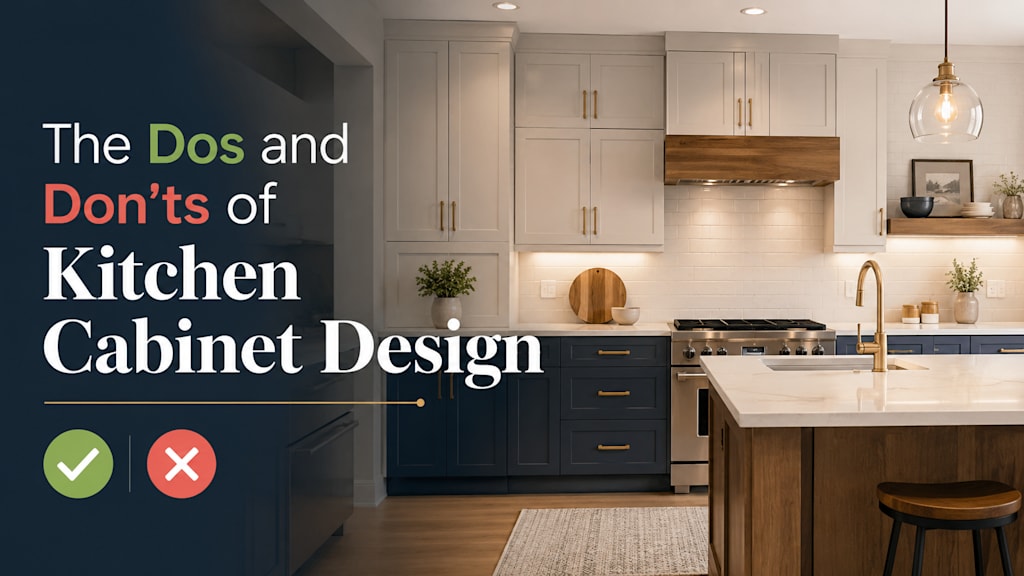
Kitchen cabinets are a big part of any kitchen. They affect how your kitchen looks, how much storage you have, and how easy the space is to use every day. When cabinets are planned well, cooking, cleaning, and organising become much simpler. When they are not planned properly, the kitchen can quickly feel messy, cramped, or difficult to work in.
Good kitchen cabinet design is not only about choosing nice colours or modern finishes. It is about creating a kitchen that suits your lifestyle, your storage needs, and the way your family uses the space.
Here are some simple dos and don’ts to help you make better cabinet design choices.
Do Think About How You Use Your Kitchen
Before choosing cabinet styles, think about your daily routine. Do you cook often? Do you need space for large pots and appliances? Do you want everything hidden away? Do children or other family members use the kitchen regularly?
Your answers can help guide the design. For example, if you cook every day, it makes sense to keep pans, spices, and utensils close to the cooktop. If your kitchen is always busy, you may need strong materials, easy-to-clean surfaces, and plenty of storage.
A good kitchen should look nice, but it should also make everyday tasks easier.
Don’t Choose Looks Over Function
It is easy to be attracted to a beautiful kitchen photo online, but what works in a picture may not always work in real life. Some cabinets may look stylish but offer very little practical storage.
Before finalising your design, think about what you actually need to store. This may include plates, glasses, cookware, food items, cleaning products, bins, containers, and small appliances.
The best kitchen cabinets are both attractive and useful. A beautiful kitchen will only stay beautiful if it is easy to keep organised.
Do Use Drawers for Better Access
Drawers are one of the most practical features in modern kitchens. Unlike deep lower cupboards, drawers let you see and reach everything easily.
Large drawers are great for pots, pans, dishes, containers, and pantry items. Smaller drawers can be used for cutlery, utensils, spices, and tea towels.
This is a simple part of kitchen cabinet design, but it can make a big difference in everyday use. You will spend less time searching and more time enjoying your kitchen.
Don’t Waste Corner Space
Corner cabinets can be hard to use if they are not planned properly. In many kitchens, corner cupboards become dark spaces where items get pushed to the back and forgotten.
Instead, use smart corner storage options. Pull-out shelves, rotating trays, and corner drawers can make these spaces much easier to access.
This is especially helpful in smaller kitchens, where every bit of storage matters.
Do Choose Strong Materials
Kitchen cabinets are used every day, so they need to be strong and durable. Cabinet doors, hinges, handles, drawer runners, and finishes should all be able to handle daily wear and tear.
Cheaper materials may save money at first, but they can create problems later. Doors may loosen, finishes may peel, and drawers may stop working smoothly.
Choosing quality materials and hardware can help your kitchen last longer and look better over time.
Don’t Follow Trends Too Closely
Kitchen trends can be great for inspiration, but they should not control every decision. A bold colour or unusual cabinet finish may look exciting now, but you may not love it in a few years.
For large features like cabinets, it is usually better to choose a design that will age well. Simple colours, clean lines, and classic finishes are often easier to live with long term.
You can still add personality through handles, lighting, splashbacks, stools, or decorations. These are much easier to change later.
Do Plan Cabinet Height Carefully
Cabinet height can affect both storage and style. Cabinets that reach the ceiling can create a clean look and provide extra storage. They also remove the empty gap above cabinets where dust often collects.
However, very high cabinets can be hard to reach. Use them for items you do not need every day, such as special serving dishes or seasonal kitchenware.
The aim is to create storage that is useful, not frustrating.
Don’t Forget About Lighting
Lighting is often treated as a separate part of kitchen design, but it works closely with your cabinets. Without good lighting, benchtops and work areas can feel dark, especially under overhead cabinets.
Under-cabinet lighting is a smart choice because it brightens your workspace and makes food preparation easier. It also adds a warm and welcoming feel to the kitchen at night.
Good lighting makes your cabinets look better and your kitchen easier to use.
Do Keep Everyday Items Easy to Reach
A practical kitchen is one where your most-used items are close at hand. Plates, cups, cutlery, cooking tools, and pantry basics should be stored where they are easy to access.
Items you use less often can go in higher cabinets or harder-to-reach areas. This keeps the main storage zones simple and convenient.
When everything has a logical place, your kitchen becomes easier to keep tidy.
Don’t Forget the Bin Area
The bin may not be the most exciting part of kitchen cabinet design, but it is very important. If it is placed badly, it can get in the way or make the kitchen look untidy.
A pull-out bin inside a cabinet is a neat and practical option. It keeps rubbish and recycling hidden while still being easy to reach. The best location is usually near the sink or food preparation area.
Planning the bin early helps keep the kitchen cleaner and more organised.
Do Mix Open and Closed Storage
Open shelves can make a kitchen feel more stylish and personal, but too many open shelves can become hard to maintain. They collect dust and can look messy if everything is not arranged neatly.
Closed cabinets are better for everyday items because they keep clutter hidden. Open shelves work best for a few decorative pieces, cookbooks, plants, or favourite dishes.
A mix of both can give your kitchen a practical yet welcoming feel.
Don’t Ignore Small Details
Small details can make a big difference. Handles, knobs, hinges, drawer inserts, and soft-close systems all affect how your cabinets feel and function.
Choose handles that are comfortable to use. Make sure drawers open smoothly. Consider organisers for cutlery, spices, trays, and cleaning products.
These details may seem small, but they can make your kitchen more enjoyable every day.
Final Thoughts
Good kitchen cabinet design is about more than appearance. It is about creating a kitchen that works well for your home, your routine, and your storage needs.
Start with function first, then choose the style, colours, and finishes. Use space wisely, choose durable materials, and avoid rushing the design process. With the right planning, your kitchen cabinets can look beautiful and make everyday life much easier.
About the Creator
Enjoyed the story? Support the Creator.
Subscribe for free to receive all their stories in your feed.
Comments
There are no comments for this story
Be the first to respond and start the conversation.