
The Campervan Question Every Australian Buyer Gets Wrong Before They Buy
HiAce vs Sprinter Campervans Comparison

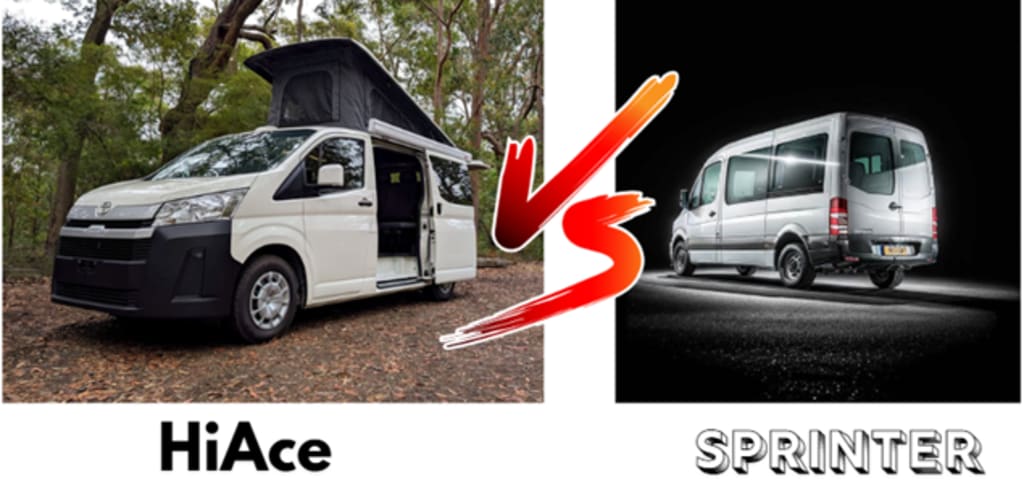
Most people buying a campervan in Australia spend weeks comparing floor plans and fit-out finishes before they spend even an hour on the question that actually determines how well the van performs on the road.
That question isn't which one looks better. It's which platform-based vehicle, service network, compliance pathway, and long-term cost actually suit the way Australians travel.
The two platforms that dominate this conversation are the Toyota HiAce campervan and the Mercedes Sprinter. Both are capable. Both have been converted into genuinely impressive campervans. And the wrong choice between them isn't always obvious until you're several hundred kilometers from the nearest city and something needs fixing.
Here's what the comparison actually looks like when you apply it to Australian conditions specifically.
The Service Network Is Not an Abstract Concern
Ask any experienced Australian road tripper which single factor they'd prioritize in a campervan platform, and the answer is almost always the same: who can fix it, and how quickly, and where.
Toyota's Australian service network is comprehensive in a way that no other manufacturer currently matches. Dealers and qualified mechanics exist in virtually every town of meaningful size across the country. From the Gulf Savannah to the Nullarbor, and from the Kimberley to the Snowy Mountains, a HiAce breakdown is a manageable event.

The Mercedes-Benz network operates at a different geographic density. Strong in capital cities and major regional centers, it thins considerably past those boundaries. For buyers planning urban and coastal travel, this gap is minimal. For buyers planning the kind of extended remote travel that makes campervan in Australia ownership genuinely worthwhile, it's a significant risk calculation.
This isn't a criticism unique to Mercedes. It's a structural reality of the Australian market and the geographic distances involved. The HiAce vs Sprinter comparison looks very different in Australia than it does anywhere else in the world.
Compliance: The Conversation Most Listings Avoid
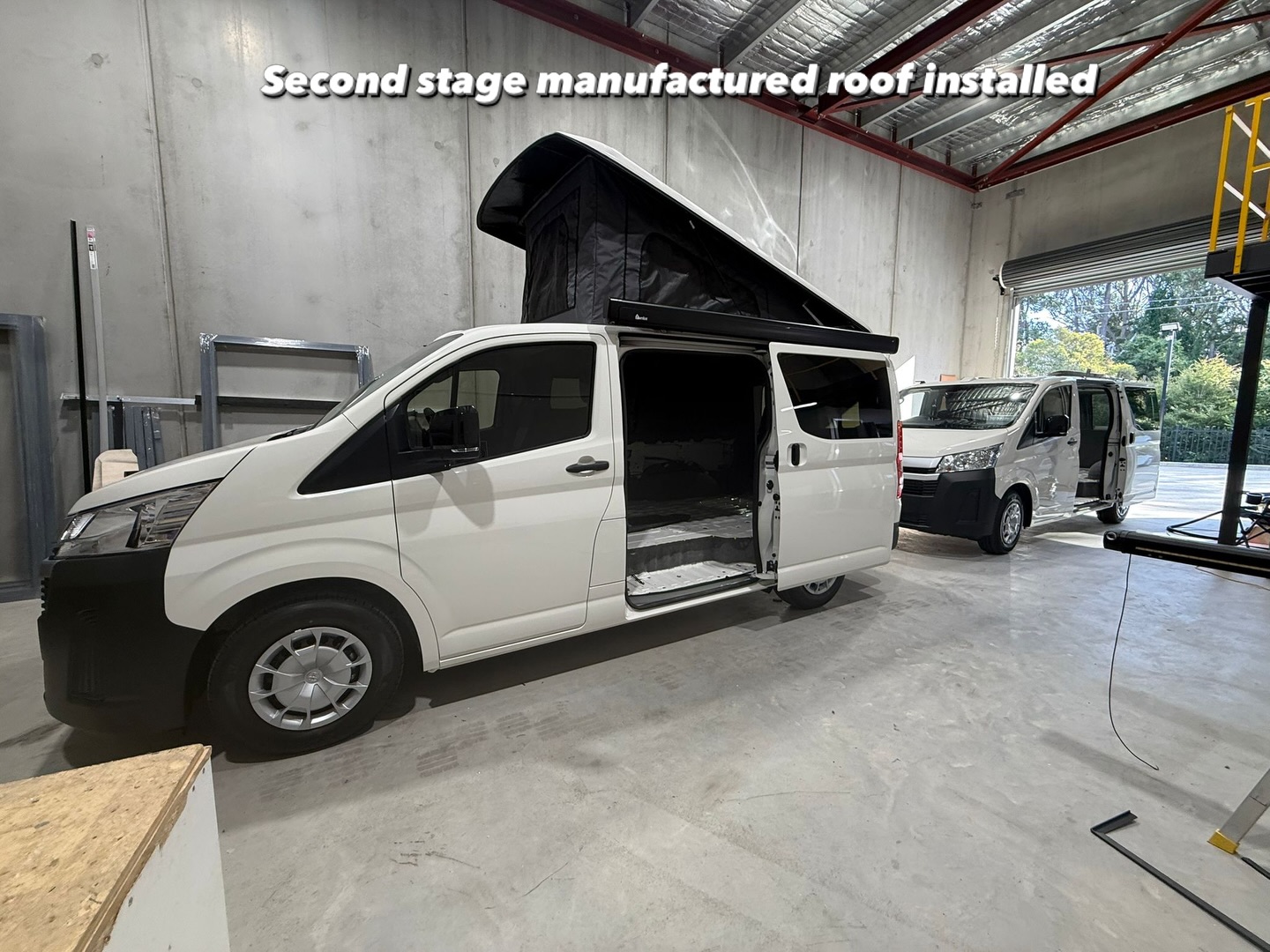
Campervan conversion in Australia involves a legal obligation that many buyers don't discover until they're deep into the purchase process.
When a vehicle is structurally modified — pop-top roof installed, a fixed bed platform built, an electrical system integrated—Australian law requires it to be re-certified under ADR (Australian Design Rules) standards and VSB14 (Vehicle Standards Bulletin 14). The formal process is called "second-stage manufacture." A vehicle that completes this process properly receives a compliance plate and achieves registration eligibility in any Australian state or territory.
The practical significance for buyers is considerable. An ADR-certified, VSB14-compliant campervan is insurable without ambiguity, registrable without individual engineering certificates across state lines, and sellable to informed buyers without compliance-related discount pressure.
A non-compliant campervan carries the opposite risks. Insurance complications in accidents. Registration difficulties in states with stricter oversight. Resale challenges when buyers ask the right questions.
The Toyota HiAce campervan platform has a well-established second-stage manufacture pathway in Australia. The HiAce's construction — particularly its roof structure — is well-suited to the pop-top modifications that certification requires. Builders who invest in proper certification consistently achieve it.
The Sprinter platform presents more complexity. Its roof construction makes pop-top modifications technically demanding and expensive to certify. A meaningful proportion of Sprinter conversions in the Australian market are sold without full ADR certification—not because builders are acting dishonestly, but because the certification pathway is genuinely more difficult and costly on this platform.
For buyers, the question to ask every seller is simple and non-negotiable: is this vehicle ADR certified and VSB14 compliant, and can you show me the compliance plate?
Daily Usability: The Test That Reveals the Real Difference
The best campervan in Australia for most buyers isn't the one that performs best on a six-week trip. It's the one that performs well on every day between those trips.
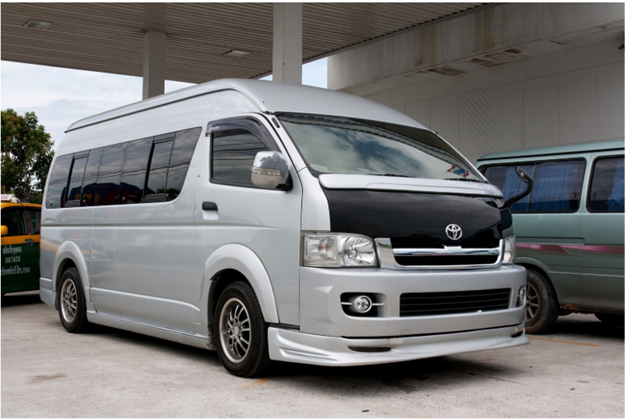
The HiAce H300 seats four people. It fits standard car parks. It clears most undercover parking height barriers in pop-top configuration. It handles with the composure of a large family car. No special license is required. For buyers who need the van to serve as a daily driver between adventures, this usability profile is difficult to beat.
The Sprinter—particularly in high-roof configuration—is a large vehicle in urban environments. Undercover car parks are largely inaccessible. Tight streets require more attention. For buyers whose campervan will be a dedicated travel vehicle garaged between trips, this matters less. For buyers who want genuine dual-purpose usability, the gap is real.
The Verdict for Australian Buyers

The HiAce vs. Sprinter question has a cleaner answer in Australia than it does almost anywhere else, because Australian travel conditions apply a specific set of pressures that consistently favor the HiAce platform—service network depth, compliance pathway clarity, regional parts availability, and daily usability.
This doesn't make the Sprinter a poor vehicle. It makes it a vehicle better suited to a different kind of buyer in a different kind of market.
For a detailed breakdown of how these two platforms compare across safety, compliance, performance, and resale value specifically in the Australian context, the full analysis on the DUSKCampers blog covers each dimension thoroughly:
HiAce vs Sprinter Campervans Comparison
The road in this country rewards the prepared traveler. Start with the right platform.
About the Creator
Kate Brownell
Independent Teacher, Freelance Writer, Conservationist, Eco Friendly Environment Crusader. A life hack writer by choice. Published articles on Ezines and Lifehacker.
Enjoyed the story? Support the Creator.
Subscribe for free to receive all their stories in your feed.
Comments
There are no comments for this story
Be the first to respond and start the conversation.