
The 2026 Home‑Preparedness Master Guide: How to Stay Calm, Ready, and Resilient During Uncertain Moments
A practical, human‑centered approach to clarity, control, and calm during everyday disruptions.
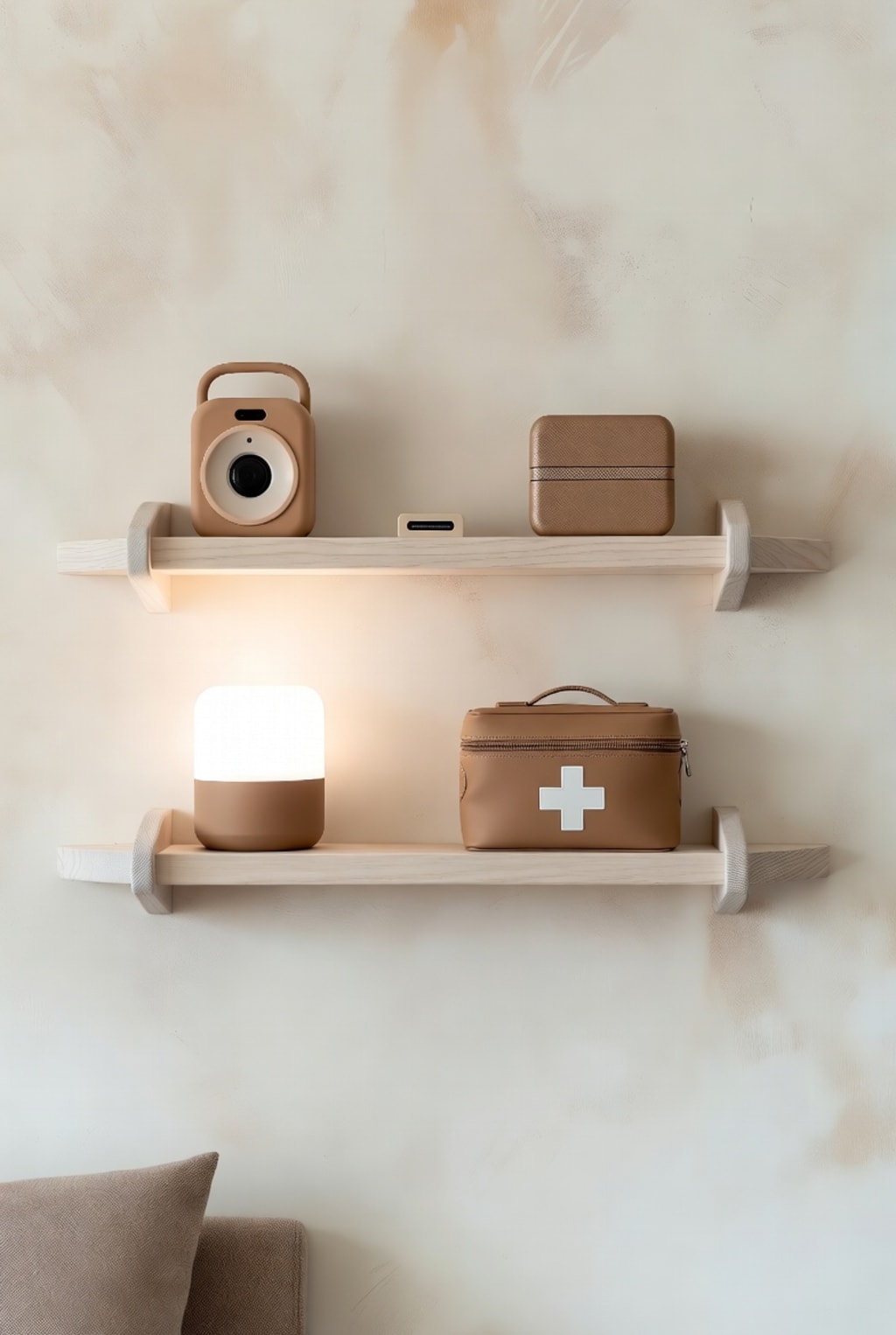
In 2026, home preparedness is no longer seen as a niche interest or a reaction to fear. It has become a practical, human‑centered habit adopted by households who simply want to feel more organized and more confident during uncertain moments. The shift is subtle but meaningful: people are moving away from complex, tactical approaches and toward simple, accessible routines that help them stay calm when the unexpected happens.
Across many regions, families have experienced small but disruptive events—brief power outages, sudden storms, communication delays, or moments of confusion during neighborhood incidents. None of these situations are dramatic on their own, yet they reveal how unprepared a home can feel when basic tools are scattered, forgotten, or difficult to access. This realization has encouraged a growing number of people to rethink how they organize essential items inside their homes.
Preparedness today is not about anticipating danger. It is about reducing stress. It is about clarity. It is about having what you need, where you need it, without scrambling in the dark or searching through drawers during a moment of uncertainty. This mindset is what has shaped the rise of modern home‑preparedness kits—simple collections of everyday items gathered in one place for visibility, communication, and quick response.
This guide explores that evolution in depth. It is not a commercial pitch, nor a dramatic warning. Instead, it is a calm, practical overview of how households can build a sense of readiness using tools they already own. The goal is not to prepare for extreme scenarios, but to create a small system that brings peace of mind during ordinary disruptions.
The Psychology of Calm Preparedness
Unexpected moments inside a home rarely begin with danger. They begin with confusion. A sudden blackout, an unfamiliar noise, or a brief interruption in communication creates a small gap between what people expect and what they experience. In that gap, the mind searches for orientation. When it cannot find it, stress rises. This stress is not caused by the event itself, but by the absence of structure around it. Calm preparedness exists to fill that gap.
Preparedness is often misunderstood as a reaction to fear, yet its psychological foundation is the opposite. It is a practice built on reassurance. When households organize essential items in one accessible place, they create a mental anchor. This anchor reduces uncertainty, guides decision‑making, and helps people remain composed during moments that would otherwise feel overwhelming.
At the core of calm preparedness are three pillars: clarity, control, and calm.
Clarity means knowing exactly where essential items are stored.
Control means being able to respond quickly and effectively.
Calm is the natural result of clarity and control.
These three pillars form the psychological core of modern home preparedness. They explain why even a small kit can transform the way a household experiences uncertain moments. Preparedness is not about fear. It is about reassurance.
What a Modern Preparedness Kit Really Is (Not Fear, Not Defense)
A modern home‑preparedness kit is often misunderstood. Many imagine tactical gear or equipment designed for extreme emergencies. In reality, the modern kit is simple, human‑centered, and built around everyday tools that support clarity, communication, and calm.
Most households already own 70 percent of what belongs in a preparedness kit. Flashlights, batteries, a phone charger, a small first‑aid pouch, a portable lamp, or a basic alert device are common items. The challenge is not acquiring them. The challenge is organizing them.
A modern preparedness kit is:
not a tactical kit
not a survival kit
not a symbol of fear
It is a symbol of clarity.
The Core Components of a 2026 Home‑Preparedness Kit
Modern preparedness is built around three essential functions: visibility, communication, and basic safety.
Visibility Tools
Flashlight
Portable LED lamp
Headlamp
Backup batteries
Visibility restores orientation instantly.
Noise & Alert Tools
Portable alarm
Whistle
Door‑chime device
These tools support awareness, not confrontation.
Communication Tools
Phone + charger
Power bank
Emergency radio
Communication reduces uncertainty.
Basic Safety Tools
Door reinforcement bar
Window lock
Multi‑tool
These items support calm, not escalation.
First‑Aid Essentials
Bandages
Antiseptic wipes
Gloves
First‑aid supports physical reassurance.
Why Preparedness Is Growing in 2026
Preparedness is rising because households have experienced:
more minor power interruptions
increased digital dependency
sudden weather changes
social influence from shared experiences
a desire for peace of mind
Preparedness is not about expecting emergencies. It is about preventing unnecessary stress.
How to Build Your Own Kit (Step‑by‑Step Guide)
Step 1 — Identify Your Household’s Needs
Observe how your home reacts during small disruptions.
Step 2 — Gather Existing Items
Most households already own the essentials.
Step 3 — Organize Everything in One Accessible Place
Preparedness becomes effective only when items are stored together.
Step 4 — Explain the Kit to Your Family
Preparedness is a collective practice.
Step 5 — Maintain and Update the Kit
Preparedness is a small routine, not a one‑time action.
The Human Side of Preparedness
Preparedness reduces anxiety, improves communication, and strengthens community bonds.
It creates emotional stability and transforms uncertainty into manageable moments.
Preparedness is human.
Common Mistakes People Make (and How to Avoid Them)
Overcomplicating the kit
Buying unnecessary tactical gear
Forgetting batteries
Storing items in different places
Not explaining the kit to the family
Treating preparedness as a one‑time task
Preparedness is simple. Simplicity is strength.
Advanced Preparedness (Optional Enhancements)
Optional enhancements include:
smart‑home integration
backup power solutions
community‑based communication
These additions are optional and should support calm, not complexity.
Conclusion — Preparedness Is Calm, Not Fear
Preparedness in 2026 is defined by clarity, calm, and quiet confidence.
A home‑preparedness kit is not a symbol of fear—it is a symbol of reassurance.
It reflects a mindset that values organization over improvisation, structure over confusion, and calm over panic.
Preparedness is clarity.
Preparedness is control.
Preparedness is calm.
Preparedness is human.
About the Creator
abidi
I write about practical preparedness and everyday safety with a human, down‑to‑earth voice. More of my work here: https://linktr.ee/hnajet32
Enjoyed the story? Support the Creator.
Subscribe for free to receive all their stories in your feed.
Comments
There are no comments for this story
Be the first to respond and start the conversation.