travel
Travel is tricky under the best of circumstances, travel hacks for a hassle-free vacation.
How to Pack a Suitcase: Smart Packing Tips for Travel
Packing a suitcase efficiently is an essential skill for every traveler, whether you’re jetting off on a weekend getaway or embarking on a long vacation. With limited space and weight restrictions, the challenge is to fit everything you need without over packing. Follow these smart packing tips for travel to make sure you're organized, stress-free, and ready for any adventure.
By Janet Bernier2 years ago in Lifehack
BTR Outfitters: Your Ultimate Adventure Partner
When it comes to outdoor adventures, BTR Outfitters is where the magic happens. This place is a treasure trove for anyone looking to hit the road, camp under the stars, or just get lost in nature. With an awesome selection of gear and a team that’s passionate about all things outdoors, they’ve got everything you need to make your adventures epic.
By BTR Outfitters2 years ago in Lifehack
Elevate Your Travel Experience: The Luxury of Chauffeur Services in Chicago
Why I’ll Never Skip the Chauffeur Service Again: My Experience in Chicago Let’s face it—getting around a bustling city like Chicago can be a real hassle. The traffic is relentless, parking spots are like hidden treasures, and if you’re not careful, you can be late for everything. I used to think that managing all that stress was just part of being an adult. But then, I decided to treat myself to something I had never considered before: a Chicago chauffeur service.
By Joanna Strama2 years ago in Lifehack
Avoid bloating and heartburn this festive season with simple gut health
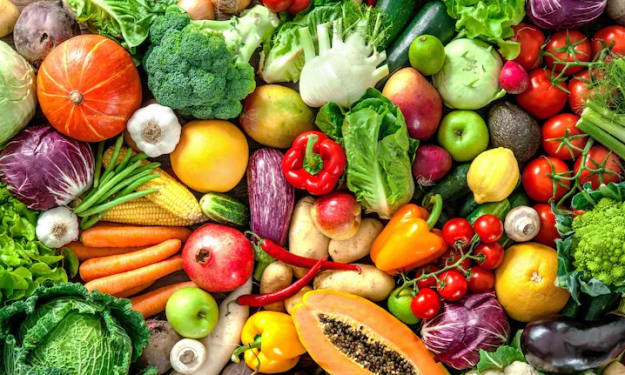
Mindful Eating: How to Maintain Gut Health During Festive Indulgence As the festive season kicks into high gear, the temptation to indulge in rich foods and sugary treats is hard to resist. However, overindulging can disrupt your gut health, leading to issues like bloating, sluggish digestion, and acid reflux. Fortunately, there are simple habits you can adopt to enjoy the festivities without sacrificing your gut health. By making mindful choices, you can keep your digestive system balanced and energized. 1. Balance Your Plate with Fiber-Rich Foods One of the best ways to ensure smooth digestion is by incorporating fiber-rich foods into your meals. Fiber helps regulate digestion, keeps you feeling full, and prevents constipation. To maintain gut health, fill half your plate with colorful fruits and vegetables like leafy greens, carrots, and berries. These nutrient-packed options promote digestion and can keep bloating at bay, even after indulging in heavier festive foods. 2. Stay Hydrated Hydration is a cornerstone of digestive health. Drinking plenty of water before and after meals helps break down food and moves it through the digestive system. Proper hydration also helps prevent constipation, a common digestive issue during the festive season. Aim to drink water throughout the day to support digestion and overall well-being. 3. Practice Mindful Eating In the hustle and bustle of the festive season, it's easy to rush through meals. However, slowing down while eating can make a significant difference in digestion. Mindful eating—chewing thoroughly, savoring each bite, and listening to your body’s hunger cues—can help prevent overeating and promote better digestion. It also allows your brain to signal when you're full, preventing you from consuming too much food at once. 4. Incorporate Digestive Herbs Ayurvedic herbs such as ginger, cumin, and ajwain are known for their ability to soothe the stomach, reduce bloating, and enhance metabolism. These natural remedies can help you enjoy festive meals without the discomfort that often follows heavy, rich foods. Adding these herbs to your meals or consuming them as teas can keep your digestive system in check during celebrations. 5. Enjoy Probiotics Probiotics, found in foods like yogurt, buttermilk, and fermented dishes, play a key role in maintaining a healthy balance of gut bacteria. This balance is crucial for proper digestion and a strong immune system. Including probiotic-rich foods in your diet during the festive season can help prevent digestive disruptions and promote overall gut health. 6. Limit Sugary Sweets While festive sweets are a significant part of the celebrations, excessive sugar intake can lead to digestive discomfort, bloating, and even a drop in energy levels. While it’s okay to enjoy these treats, moderation is important. Opt for smaller portions and savor the sweetness without overindulging. This way, you can satisfy your sweet tooth without compromising your gut health. 7. Stay Active Physical activity, even in light forms, supports digestion. A post-meal walk with family or a little dance to festive music can help keep your metabolism active and ease the digestive process. Yoga poses such as Vajrasana, Bhujangasana, and Pavanamuktasana are particularly beneficial for stimulating digestion and reducing bloating. 8. Get Sufficient Rest Sleep is essential for the body to repair and recharge, and it also plays a role in digestive health. A well-rested body ensures that your digestive system functions optimally. Aim for a good night’s sleep to keep your gut bacteria balanced and avoid feelings of sluggishness that can arise from disrupted digestion. Conclusion The festive season is a time for celebration and indulgence, but by following these simple gut health tips, you can enjoy all the festivities without the discomfort. Balancing your meals, staying hydrated, practicing mindful eating, and incorporating natural remedies and physical activity into your daily routine can keep your gut happy and healthy. With these mindful habits, you can fully embrace the joy of the season while maintaining your well-being.
By Sonusharma2 years ago in Lifehack
Simple dietary changes may help reduce migraine severity and medication use
Simple Dietary Changes May Help Reduce Migraine Severity and Medication Use Migraine is a common neurological disorder affecting approximately 15% of the global population, with women more prone due to hormonal factors. These severe headaches often lead to a range of debilitating symptoms, including intense, throbbing pain, nausea, and sensitivity to light and sound. For many, frequent migraines can significantly impair their quality of life. A recent review suggests that certain dietary changes may offer a potential solution to reduce the frequency, severity, and medication use associated with migraines. The Link Between Diet and Migraines Research has increasingly pointed to the connection between diet and migraines. The brain-gut axis, which links the enteric and central nervous systems, plays a crucial role in regulating neuroendocrine processes that can influence migraine attacks. Changes in diet may affect this communication through mechanisms such as vagal nerve signaling, inflammation, and hormone fluctuations. As a result, dietary changes have the potential to mitigate the occurrence and intensity of migraines. Common Dietary Triggers and Preventive Diets Previous studies have identified certain foods as potential migraine triggers. Common culprits include alcohol, caffeine, chocolate, and certain fruits. However, it is important to note that cravings for foods like chocolate may actually occur during the early stages of a migraine rather than serving as the trigger itself. On the other hand, some dietary approaches, including ketogenic, vegan, and low-fat diets, have been suggested as preventive measures against migraines. Study Review: Diets and Migraines A recent review article published in the journal Nutrients explored the role of specific diets in preventing and treating migraines. Researchers from Denmark analyzed various studies, including clinical crossover trials, controlled trials, and pilot studies, to assess how dietary changes impact migraine frequency, intensity, and medication use. Study Criteria and Findings The review included eight studies that focused on dietary interventions for migraine management. Seven of these studies examined diet-based migraine prevention, while one focused on specific food triggers. The studies varied in design and included both short-term and long-term dietary interventions. 1. Ketogenic Diets: Two studies highlighted the positive effects of ketogenic diets on migraine management. Participants who followed ketogenic diets for 3-12 weeks reported reduced pain intensity, decreased frequency and duration of migraine attacks, and lower medication use. The ketogenic diet is believed to shift the brain's energy source to ketone bodies, which may reduce neuroinflammation and oxidative stress in brain cells. 2. DASH Diet: The Dietary Approaches to Stop Hypertension (DASH) diet, which is rich in potassium, calcium, and magnesium while reducing sodium intake, was found to help reduce the intensity, duration, and frequency of migraines. This diet may help regulate brain function and reduce inflammation, providing protective effects against migraine attacks. 3. Gluten-Free Diet: One study indicated that a gluten-free diet significantly improved pain intensity and frequency in migraine sufferers, particularly those with celiac disease. Gluten, known to provoke immune responses, may exacerbate migraines in sensitive individuals. 4. Elimination Diets: The impact of elimination diets varied. Some studies found no significant changes in pain intensity or duration but observed a reduction in medication use and migraine frequency. Other studies showed more significant improvements, particularly with strict low-fat vegan diets, which were associated with reduced pain intensity, frequency, and duration of migraine attacks. However, the effectiveness of elimination diets depends heavily on individuals' ability to identify and avoid specific trigger foods, which is often subjective and prone to bias. Challenges and Limitations While the reviewed studies suggest that certain diets may help alleviate migraine symptoms, there are several limitations to consider. Many of the studies were short-term, and relied on self-reported data, which may introduce recall bias or social desirability bias. Additionally, the studies varied in terms of design, sample size, and methodology, making it difficult to apply these findings to broader clinical practice. Furthermore, the use of medication was allowed in many studies, but not consistently reported. This means the impact of diet on medication use was not always clear, and other factors such as weight changes or hormonal fluctuations (especially related to the menstrual cycle) were not always controlled for. Conclusion: More Research Needed In conclusion, the review suggests that specific dietary approaches, including ketogenic, DASH, gluten-free, and low-fat vegan diets, may offer benefits for people suffering from migraines. However, the evidence is not yet strong enough to make definitive clinical recommendations. The need for larger, more robust studies—particularly double-blind, randomized controlled trials—is crucial to confirm these findings and establish clearer guidelines. Future research should aim to address existing gaps, such as controlling for medication use, hormonal changes, and other confounding variables that may influence migraine outcomes. Until then, individuals with migraines may consider experimenting with dietary changes under the guidance of a healthcare professional, but they should remain cautious about the subjective nature of food triggers and responses.
By Sonusharma2 years ago in Lifehack
Non-invasive eye test for multiple diseases to advance under $4.8M NIH award
Groundbreaking Research at Indiana University Uses the Eye to Detect Early Signs of Major Diseases October 11, 2024 Introduction: Oculomics – A New Window into Health Researchers at the Indiana University (IU) School of Optometry and the IU Luddy School of Informatics, Computing, and Engineering are pioneering the field of "oculomics," an emerging approach that uses the eye as a diagnostic tool to detect early signs of systemic health conditions such as Alzheimer’s disease, diabetes, heart disease, and more. Supported by a new initiative from the National Institutes of Health (NIH), IU scientists are working on next-generation ophthalmic technology that could revolutionize healthcare by offering non-invasive and cost-effective early detection of serious diseases. NIH Grant Supports Innovative Research in Oculomics Dr. Stephen A. Burns, a professor at the IU School of Optometry, has been awarded a three-year, $4.8 million grant as a principal investigator in the NIH Venture Program's Oculomics Initiative. The funding is intended to support the development of high-precision ophthalmoscopes — instruments capable of providing detailed scans of the eye's interior to identify early biomarkers for a wide range of diseases. Dr. Burns is collaborating with Dr. Eleftherios Garyfallidis, an associate professor at the IU Luddy School of Informatics, Computing, and Engineering, on this groundbreaking project. Other co-investigators include prominent researchers from Northwestern University, Stanford University, and the New York Eye and Ear Infirmary of Mount Sinai. The Eye as a Lens on the Body The retina is the only part of the central nervous system that is directly observable, making the eye a unique and valuable tool for detecting signs of systemic diseases. According to Dr. Burns, “We want to give healthcare providers the clearest view they can get into the body, non-invasively.” Through the use of adaptive optics, the team is able to observe the eye at microscopic resolutions, allowing them to detect subtle changes in the blood vessels of the retina that may signal underlying health problems. Pioneering Technology in Ophthalmoscopy Dr. Burns and his team have been at the forefront of applying adaptive optics to ophthalmology, a technology originally developed by astronomers to eliminate distortions in telescopic images caused by Earth’s atmosphere. Similarly, the optics of the human eye can distort light, but with adaptive optics, these distortions are corrected, allowing for unprecedented clarity when observing the eye’s blood vessels and other structures. Using this advanced technology, the team has developed an ophthalmoscope capable of observing the back of the eye with a resolution as small as two microns — allowing for the detection of individual red blood cells. This level of detail has already proven useful in identifying biomarkers for conditions such as diabetes and hypertension, as well as detecting abnormalities like the sickle-shaped red blood cells indicative of sickle cell anemia. Collaborative Effort to Advance Eye-Based Diagnostics The project brings together experts from multiple fields, including ophthalmology, artificial intelligence (AI), and machine learning. Dr. Garyfallidis is leading the integration of AI and machine learning to automate the analysis of eye scans. This will allow for faster and more accurate diagnoses, potentially reducing the time it takes to interpret scan results from days to mere minutes. By the first year of the project, the team plans to synchronize their instruments across multiple research labs, including those at Northwestern University and Stanford University. This collaboration will pave the way for the development of a unified device that combines cutting-edge optical imaging and AI-driven analysis, capable of detecting early warning signs of heart disease, Alzheimer’s disease, and other conditions that affect the vascular system. From the Lab to Clinical Practice The long-term goal of this research is to make the technology widely available in clinical settings, such as annual eye exams. Dr. Burns notes that up to 80 percent of individuals over the age of 60 may have at least one health condition that could be detected in the eye. By developing a non-invasive, cost-effective method for early diagnosis, this research could have a significant impact on public health, particularly as the population ages. In the final year of the project, the team will validate the technology through clinical testing with volunteer participants. Data gathered from these tests will be used to refine the instruments, ensuring they can accurately differentiate between conditions such as diabetes, heart disease, and Alzheimer’s disease. A Promising Future for Oculomics The NIH selected the project for its high potential to accelerate scientific advancements. The venture fund is designed to support initiatives that can quickly move from the lab to real-world applications. As Dr. Burns explains, the challenge now is to refine the technology’s selectivity and specificity: “We need to show that we can detect the differences between conditions and interpret the signs of various diseases accurately.” If successful, this project could transform the way healthcare providers detect and diagnose a wide range of conditions, offering earlier, less invasive, and more affordable alternatives to current diagnostic methods such as PET scans or biopsies. Conclusion With the continued support of the NIH and collaboration across several leading universities, IU’s Oculomics Initiative is poised to make significant strides in early disease detection. The innovative use of the eye as a diagnostic tool could pave the way for a future where routine eye exams could help detect major health conditions long before symptoms appear, ultimately saving lives and reducing healthcare costs.
By Sonusharma2 years ago in Lifehack
Why the Annapurna Circuit is Nepal's Most Rewarding Trek
Suppose you're searching for a trekking experience that will challenge your limits, expose you to breathtaking natural beauty, and immerse you in rich cultural history. In that case, the annapurna circuit trek tour should be on your bucket list. Nestled in the heart of Nepal, the Annapurna region offers one of the world's most diverse and rewarding trekking adventures. With landscapes ranging from subtropical forests to high-altitude deserts and the majestic Annapurna massif looming in the background, this tour promises an experience like no other.
By Salman Thavertech2 years ago in Lifehack
How a Thermos Works
A thermos, also known as a vacuum flask, is a marvel of everyday engineering that keeps drinks hot or cold for extended periods. Although the design seems simple, the physics behind how it works is ingenious. This article explores the scientific principles that make thermoses effective and explains how they reduce heat transfer through conduction, convection, and radiation.
By Berfin Orhon2 years ago in Lifehack
How to Transform Your SUV into a Mobile Entertainment Hub?
When you ever SUV, the first thing that comes to mind is their flexible nature and traveling comfort. But when you search for details, you will find that SUV For Sale Ontario are like a jackpot of entertainment. They are a mobile home version, and you can transform this home anytime.
By Shane Barker2 years ago in Lifehack
10 Popular Winter Treks in India
India, with its diverse landscapes and majestic mountains, offers numerous trekking opportunities that attract adventure enthusiasts from all over the world. Winter transforms the country into a snowy wonderland, making it the perfect time for some exhilarating treks. Here’s a guide to ten of the best winter treks in India, each with its unique charm and breathtaking scenery.
By Rawat Sikhar2 years ago in Lifehack
Manali to Leh Ladakh Biking Trip: The Ultimate Adventure Ride
The Manali to Leh Ladakh biking trip is one of the most sought-after and thrilling adventures for motorcycle enthusiasts. Covering a distance of around 480 km through rugged terrains, high-altitude mountain passes, and stunning landscapes, this ride offers an unparalleled experience for bikers seeking adventure, serenity, and natural beauty. With its mix of challenging roads and breathtaking views, the trip is a dream come true for every biker.
By sunil choudhary2 years ago in Lifehack
Leh Ladakh Tour Packages: Explore the Land of High Passes
Leh Ladakh, nestled in the Himalayas, is a dream destination for travelers seeking adventure, culture, and nature’s beauty. Whether you're looking for a road trip across rugged terrains or a peaceful retreat in Buddhist monasteries, Leh Ladakh has something for everyone. Here’s a guide to Leh Ladakh tour packages that cater to different traveler preferences.
By sunil choudhary2 years ago in Lifehack