social media
Social Media is a hotbed of internet life hacks; filter out the noise and find the best advice that appears on your newsfeed.
Ignite Your Inner Power: Discovering the Magic of Home Workouts
In the comfort of our own homes, a world of transformation awaits. Home workouts have emerged as a powerful tool, offering a sanctuary where we can sculpt our bodies, nurture our spirits, and embark on an emotional journey like no other. Prepare to unleash your inner power as we delve into the magic of home workouts.
By Ishtiaq Ahmed3 years ago in Lifehack
Why Remixable Software is the Future of Website Design for Small Businesses
However, website design can be a daunting task, especially if you don't have the technical skills or resources to create a website from scratch. That's where remixable software comes in. Remixable software is a new type of website builder that allows small businesses to create a professional-looking website without the need for coding or design expertise. In this article, we'll explore why remixable software is the future of website design for small businesses and how it can help you create a stunning and effective website that will help you stand out in the crowded online marketplace.
By emerson ong3 years ago in Lifehack
Addiction Recovery Hacks
Introduction: Addiction is a complex and challenging issue that affects many individuals across the globe. Whether it's substance abuse, gambling, or any other form of addiction, overcoming it requires determination, support, and effective strategies. In this guide, we will explore a thousand words worth of life hacks and practical tips for those facing addiction, specifically tailored to individuals struggling with a pepper addiction. These strategies can empower you on your journey to recovery and help you build a healthier, more fulfilling life. 1. Acknowledge the Problem: The first step toward recovery is acknowledging and accepting that you have a problem. Denial can be a significant barrier to progress, so be honest with yourself and seek the support of trusted friends, family, or professionals. 2. Seek Professional Help: Don't hesitate to reach out to healthcare professionals or addiction specialists. They can provide personalized guidance, therapy, and medical support throughout your recovery journey. 3. Build a Support System: Surround yourself with positive influences who support your recovery goals. Join support groups or engage in therapy sessions where you can connect with others facing similar challenges. Peer support can be immensely helpful during tough times. 4. Create a Relapse Prevention Plan: Develop a comprehensive relapse prevention plan with the help of professionals. Identify triggers, develop coping mechanisms, and establish strategies to manage cravings effectively. 5. Make Lifestyle Changes: Adopting a healthier lifestyle can aid in your recovery. Exercise regularly, eat nutritious meals, and prioritize sufficient sleep. These habits will help your body heal and reduce cravings. 6. Practice Mindfulness and Meditation: Mindfulness and meditation techniques can improve your ability to manage stress, reduce anxiety, and increase self-awareness. Incorporate these practices into your daily routine to find inner peace and balance. 7. Find Alternative Coping Mechanisms: Replace unhealthy coping mechanisms with positive alternatives. Engage in activities you enjoy, such as painting, writing, playing a musical instrument, or spending time in nature. These outlets will divert your attention from cravings and help you rediscover your passions. 8. Set Realistic Goals: Break your recovery journey into smaller, achievable goals. Celebrate each milestone to boost your motivation and confidence. Rewarding yourself for progress will keep you focused and inspired. 9. Learn to Manage Stress: Stress can trigger relapse, so it's essential to develop healthy stress management techniques. Practice deep breathing exercises, engage in yoga or tai chi, or try journaling to release tension and cultivate inner calmness. 10. Identify and Avoid Triggers: Identify people, places, or situations that trigger your cravings and avoid them whenever possible. If you can't entirely avoid them, develop strategies to navigate those situations without giving in to temptation. 11. Build Healthy Relationships: Surround yourself with positive and supportive individuals who encourage your recovery. Establishing healthy relationships will provide emotional stability and minimize the risk of relapse. 12. Develop a Routine: Structure your day with a routine that includes healthy habits and positive activities. A consistent schedule helps maintain focus and reduces the likelihood of falling back into old patterns. 13. Educate Yourself: Learn about addiction and its effects. Understanding the science behind addiction will empower you to make informed decisions and reinforce your commitment to recovery. 14. Practice Self-Care: Prioritize self-care and engage in activities that promote self-love and self-esteem. Take time for yourself, pamper your body and mind, and practice self-compassion. You deserve to treat yourself with kindness. 15. Celebrate Progress, Not Perfection: Recovery is a journey, and setbacks may occur. Focus on the progress you've made rather than dwelling on any perceived failures. Each day is an opportunity for growth and improvement. Conclusion: Dealing with Addiction is difficult and hard but if you put in the work and do these few tips I outline,will help you greatly. Plus if anyone have more tips on how to overcome these addiction, make sure to share them so we can reach individuals and change lives.
By Abraham John3 years ago in Lifehack
The Intersection of Artificial Intelligence and Human Creativity: Shaping the Future
Introduction Artificial intelligence (AI) has emerged as a transformative technology that is reshaping various aspects of our lives. From improving efficiency in industries to revolutionizing healthcare, AI's potential seems boundless. One area where AI is making significant strides is in the realm of human creativity. With advancements in machine learning and deep neural networks, AI is increasingly being used as a tool to augment and enhance human creativity. In this article, we will explore the intersection of AI and human creativity and how this collaboration is shaping the future.
By Bhavanaben Rathva3 years ago in Lifehack
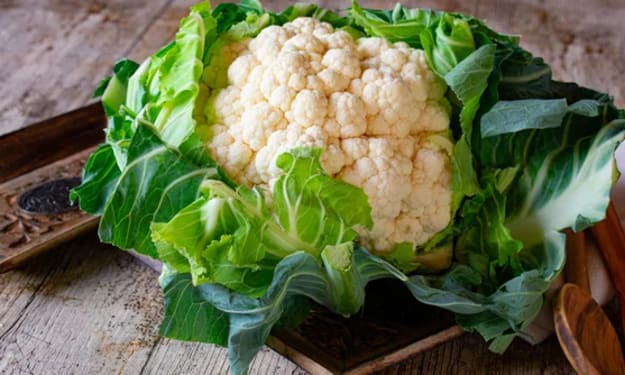
"Nutritionally, Cauliflower is a healthy vegetable choice" and 10 different types of recipes of Cauliflower
Cauliflower is a vegetable that belongs to the Brassicaceae family, which also includes cabbage, broccoli, and kale. It has a compact head, known as the "curd," made up of undeveloped flower buds. The most common variety of cauliflower is white, but there are also orange, purple, and green varieties available.
By Healthy lifestyle 3 years ago in Lifehack
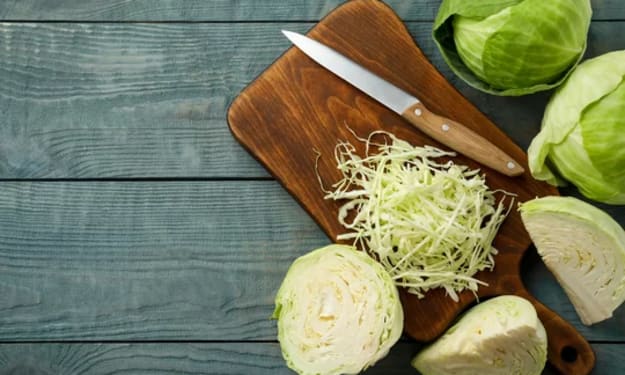
Cabbage as low in calories and 10 different types of recipes
Cabbage is a leafy vegetable that belongs to the Brassica family. It is known for its round or elongated shape, with layers of thick, dark green or purple leaves. Cabbage is widely cultivated and consumed around the world, and it has been a part of human diets for thousands of years.
By Healthy lifestyle 3 years ago in Lifehack