social media
Social Media is a hotbed of internet life hacks; filter out the noise and find the best advice that appears on your newsfeed.
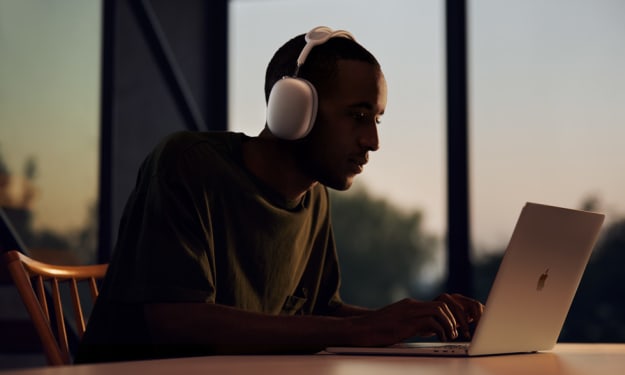
Essential Accessories for Apple Headphones: Maximize Your Audio Experience
When it comes to enhancing your Apple audio gear, having the right accessories can make a significant difference in both performance and convenience. Whether you’re using Apple’s AirPods for everyday listening or the AirPods Max for a high-end audio experience, the right accessories can elevate your enjoyment and protect your investment. Here, we explore three top Apple headphone models and their best accessories: the Apple AirPods (2nd Generation), Apple AirPods Pro (2nd Generation), and Apple AirPods Max.
By Jordan Cruz2 years ago in Lifehack
From Rags to Riches: A Blueprint for Prosperity
Modification of Outlook Often, the journey from poverty to prosperity begins with a shift in perspective. Developing a development outlook, having confidence in one's capacity to improve and succeed is significant. Supplanting restricting convictions with enabling contemplations can open up secret potential. Laying out clear monetary objectives and picturing achievement can give fundamental inspiration to persist through difficulties.
By Iftikhar Akram2 years ago in Lifehack
What Really Matters at the End of Life
Life's journey often brings profound realizations. For me, that moment arrived with a shocking intensity—11,000 volts coursing through my body during a college prank gone wrong. This harrowing accident marked the beginning of my deep relationship with death and my subsequent path as a patient. Through this experience, I came to understand the critical role of compassionate design in healthcare, especially at the end of life.
By Horace Wasmore2 years ago in Lifehack
The Unseen Effects of Stress
*The Unseen Effects of Stress: A Journey Through the Mind-Body Connection* Stress is a ubiquitous term in modern life, but few understand its profound impact on our overall well-being. From the hunter-gatherers of 70,000 BC to the present day, humans have struggled to cope with stress. This article delves into the fascinating history of stress, its physiological effects, and innovative approaches to managing it. *A Brief History of Stress* In the 17th century, French philosopher Rene Descartes introduced the concept of mind-body dualism, which posits that the mind and body are separate entities. This idea influenced the development of various schools of thought addressing the mind-body split. Later, English natural philosopher Robert Hooke used the term "stress" in engineering contexts, describing how materials respond to external forces. His work laid the groundwork for understanding human stress responses. *The Physiology of Stress* Hungarian-Canadian endocrinologist Hans Selye coined the term "stress" to describe the body's response to external stimuli. He identified the General Adaptation Syndrome, a three-stage process: alarm, resistance, and exhaustion. When we experience stress, our body's "fight or flight" response is triggered, releasing hormones like adrenaline and cortisol. This response is meant to be temporary, but chronic stress can lead to detrimental effects on our physical and mental health. *The Impact of Stress on Our Lives* Stress affects not only our minds but also our bodies. It can manifest as physical symptoms like digestive issues, neck problems, and low back pain. Emotional stress can accumulate, leading to anxiety, depression, and even physical diseases. The connection between stress and our overall health is undeniable. Managing stress by changing our habits involves making intentional lifestyle modifications to reduce stress triggers and increase relaxation. Here are some habits to consider: 1. *Exercise regularly*: Physical activity reduces stress hormones and releases endorphins, improving mood. 2. *Meditate and practice mindfulness*: Regular mindfulness practice calms the mind and reduces stress. 3. *Improve sleep habits*: Aim for 7-8 hours of sleep to help regulate stress hormones. 4. *Healthy eating*: Focus on whole, nutritious foods to support mental well-being. 5. *Time management*: Prioritize tasks, set realistic goals, and take regular breaks to reduce overwhelm. 6. *Connect with nature*: Spend time outdoors to reduce stress and improve mood. 7. *Seek social support*: Build strong relationships with friends, family, or a therapist for emotional support. 8. *Engage in hobbies*: Pursue activities bringing joy and relaxation. 9. *Limit technology use*: Establish boundaries around screen time to reduce stress and improve sleep. 10. *Practice gratitude*: Reflect on positive aspects of life to shift focus away from stress. 11. *Take breaks and practice self-care*: Regularly engage in activities promoting relaxation and rejuvenation. 12. *Reframe negative thoughts*: Challenge negative self-talk and focus on positive, realistic thinking. By incorporating these habits into daily life, individuals can better manage stress and improve overall well-being. Remember, small changes can add up over time, so start with one or two habits and gradually work towards a more balanced lifestyle. *Innovative Approaches to Managing Stress* 1. *Neuro Emotional Technique (NET)*: Developed by Dr. Scott Walker, NET addresses the emotional component of physical symptoms. By identifying and resolving underlying emotional stressors, patients can experience significant improvements in their physical health. 2. *Mind-Body Connection*: Research at the Marcus Institute of Integrative Health at Jefferson University explores the impact of traumatic stress on the body. Studies have shown that techniques like NET can help alleviate symptoms of traumatic stress. 3. *Meridian-Based Approaches*: Traditional Chinese medicine has long recognized the importance of meridians in maintaining balance and harmony in the body. Recent discoveries have shed light on the scientific basis of these meridians, offering new avenues for stress management. *Conclusion* Stress is an inherent part of life, but it doesn't have to control us. By understanding the complex interplay between our minds and bodies, we can develop effective strategies to manage stress and promote overall well-being. As we continue to explore the intricacies of the mind-body connection, we may uncover even more innovative approaches to mitigating the effects of stress and living healthier, happier lives.
By Ali bukhari2 years ago in Lifehack
How To Master Instagram AR Filters 2024
Instagram’s AR filters are now a crucial creative and interactive tool on its platform. AR filters offer unlimited potentials for users as well as creators, which range from improving self-portraits to promoting organizations.
By Akshat Raj2 years ago in Lifehack