social media
Social Media is a hotbed of internet life hacks; filter out the noise and find the best advice that appears on your newsfeed.
Healthy Recipes: Nutritious and Delicious Meals
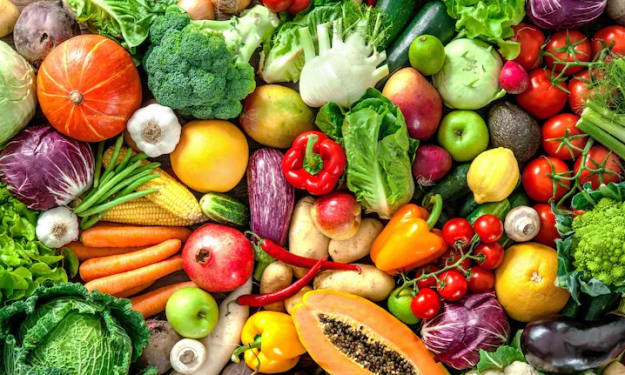
Healthy Recipes: Nutritious and Delicious Meals Start a journey that makes your body and taste buds happy. This guide offers many healthy and tasty recipes. You'll learn to make plant-based and superfood meals that are both nutritious and fulfilling. You'll use the best, organic ingredients.
By Say the truth 2 years ago in Lifehack
Discover the Best Pakistani Restaurants in Dubai
From Italian to Japanese, and from Chinese to Indian, Dubai's love for food has welcomed every culture and cuisine into a space of their own within the cosmopolitan dining scene of Dubai. Pakistani food has carved its niche, too-one that offers a taste of heaven to foodies because of its spicy biryanis, rich curries, and succulent kebabs. From street food to five-star restaurants, the city has something to offer in Pakistani cuisine for all budgets and preferences. If strong spices and truly traditional taste are what one wants, Dubai is a haven for Pakistani food, with traditional dishes representing their rich heritage. Now, let's check out some of the best places to have fine Pakistani cuisine and why they are cheered in this multicultural city.
By UAE Cuisine2 years ago in Lifehack
Laser Time
I think, The strain to consistently update our insight has never been more prominent in the present quick-moving world. With the ascent of computerized innovation, terms like "intense attention" and "laser time" have become famous for depicting times of exceptionally assembled exertion pointed toward accomplishing the greatest efficiency in negligible time. Yet, how could we invest this valuable energy to guarantee it prompts genuine development in information? This paper will investigate how to invest laser energy successfully to upgrade learning and mental capacities, offering useful procedures and bits of knowledge.
By nadia khanom2 years ago in Lifehack
Recharge Your Day: How Power Naps Boost Productivity
Ever found yourself nodding off in the middle of the day, with your eyes sagging, brain fog thick enough to rival the Grey London morning, and no amount of coffee seems like enough to lift you? Guess what: there's a simple, scientifically-backed way of transforming your energy and productivity, in just 20 minutes? Yep, I'm talking about the magic of power naps.
By DEVASENAN SUBRAMANI2 years ago in Lifehack
Quick Solutions for Better Focus and Efficiency
In today’s fast-paced world, the demands on our attention and productivity are higher than ever. Between juggling work responsibilities, personal commitments, and the constant influx of information from digital sources, staying focused and efficient can be a challenge. However, by adopting certain strategies and small lifestyle changes, you can significantly improve your focus and efficiency in both personal and professional tasks. This guide offers practical solutions that can help you regain control over your time, boost productivity, and achieve your goals.
By Juliyajohnson2 years ago in Lifehack
Avoid bloating and heartburn this festive season with simple gut health
Mindful Eating: How to Maintain Gut Health During Festive Indulgence As the festive season kicks into high gear, the temptation to indulge in rich foods and sugary treats is hard to resist. However, overindulging can disrupt your gut health, leading to issues like bloating, sluggish digestion, and acid reflux. Fortunately, there are simple habits you can adopt to enjoy the festivities without sacrificing your gut health. By making mindful choices, you can keep your digestive system balanced and energized. 1. Balance Your Plate with Fiber-Rich Foods One of the best ways to ensure smooth digestion is by incorporating fiber-rich foods into your meals. Fiber helps regulate digestion, keeps you feeling full, and prevents constipation. To maintain gut health, fill half your plate with colorful fruits and vegetables like leafy greens, carrots, and berries. These nutrient-packed options promote digestion and can keep bloating at bay, even after indulging in heavier festive foods. 2. Stay Hydrated Hydration is a cornerstone of digestive health. Drinking plenty of water before and after meals helps break down food and moves it through the digestive system. Proper hydration also helps prevent constipation, a common digestive issue during the festive season. Aim to drink water throughout the day to support digestion and overall well-being. 3. Practice Mindful Eating In the hustle and bustle of the festive season, it's easy to rush through meals. However, slowing down while eating can make a significant difference in digestion. Mindful eating—chewing thoroughly, savoring each bite, and listening to your body’s hunger cues—can help prevent overeating and promote better digestion. It also allows your brain to signal when you're full, preventing you from consuming too much food at once. 4. Incorporate Digestive Herbs Ayurvedic herbs such as ginger, cumin, and ajwain are known for their ability to soothe the stomach, reduce bloating, and enhance metabolism. These natural remedies can help you enjoy festive meals without the discomfort that often follows heavy, rich foods. Adding these herbs to your meals or consuming them as teas can keep your digestive system in check during celebrations. 5. Enjoy Probiotics Probiotics, found in foods like yogurt, buttermilk, and fermented dishes, play a key role in maintaining a healthy balance of gut bacteria. This balance is crucial for proper digestion and a strong immune system. Including probiotic-rich foods in your diet during the festive season can help prevent digestive disruptions and promote overall gut health. 6. Limit Sugary Sweets While festive sweets are a significant part of the celebrations, excessive sugar intake can lead to digestive discomfort, bloating, and even a drop in energy levels. While it’s okay to enjoy these treats, moderation is important. Opt for smaller portions and savor the sweetness without overindulging. This way, you can satisfy your sweet tooth without compromising your gut health. 7. Stay Active Physical activity, even in light forms, supports digestion. A post-meal walk with family or a little dance to festive music can help keep your metabolism active and ease the digestive process. Yoga poses such as Vajrasana, Bhujangasana, and Pavanamuktasana are particularly beneficial for stimulating digestion and reducing bloating. 8. Get Sufficient Rest Sleep is essential for the body to repair and recharge, and it also plays a role in digestive health. A well-rested body ensures that your digestive system functions optimally. Aim for a good night’s sleep to keep your gut bacteria balanced and avoid feelings of sluggishness that can arise from disrupted digestion. Conclusion The festive season is a time for celebration and indulgence, but by following these simple gut health tips, you can enjoy all the festivities without the discomfort. Balancing your meals, staying hydrated, practicing mindful eating, and incorporating natural remedies and physical activity into your daily routine can keep your gut happy and healthy. With these mindful habits, you can fully embrace the joy of the season while maintaining your well-being.
By Sonusharma2 years ago in Lifehack
Simple dietary changes may help reduce migraine severity and medication use
Simple Dietary Changes May Help Reduce Migraine Severity and Medication Use Migraine is a common neurological disorder affecting approximately 15% of the global population, with women more prone due to hormonal factors. These severe headaches often lead to a range of debilitating symptoms, including intense, throbbing pain, nausea, and sensitivity to light and sound. For many, frequent migraines can significantly impair their quality of life. A recent review suggests that certain dietary changes may offer a potential solution to reduce the frequency, severity, and medication use associated with migraines. The Link Between Diet and Migraines Research has increasingly pointed to the connection between diet and migraines. The brain-gut axis, which links the enteric and central nervous systems, plays a crucial role in regulating neuroendocrine processes that can influence migraine attacks. Changes in diet may affect this communication through mechanisms such as vagal nerve signaling, inflammation, and hormone fluctuations. As a result, dietary changes have the potential to mitigate the occurrence and intensity of migraines. Common Dietary Triggers and Preventive Diets Previous studies have identified certain foods as potential migraine triggers. Common culprits include alcohol, caffeine, chocolate, and certain fruits. However, it is important to note that cravings for foods like chocolate may actually occur during the early stages of a migraine rather than serving as the trigger itself. On the other hand, some dietary approaches, including ketogenic, vegan, and low-fat diets, have been suggested as preventive measures against migraines. Study Review: Diets and Migraines A recent review article published in the journal Nutrients explored the role of specific diets in preventing and treating migraines. Researchers from Denmark analyzed various studies, including clinical crossover trials, controlled trials, and pilot studies, to assess how dietary changes impact migraine frequency, intensity, and medication use. Study Criteria and Findings The review included eight studies that focused on dietary interventions for migraine management. Seven of these studies examined diet-based migraine prevention, while one focused on specific food triggers. The studies varied in design and included both short-term and long-term dietary interventions. 1. Ketogenic Diets: Two studies highlighted the positive effects of ketogenic diets on migraine management. Participants who followed ketogenic diets for 3-12 weeks reported reduced pain intensity, decreased frequency and duration of migraine attacks, and lower medication use. The ketogenic diet is believed to shift the brain's energy source to ketone bodies, which may reduce neuroinflammation and oxidative stress in brain cells. 2. DASH Diet: The Dietary Approaches to Stop Hypertension (DASH) diet, which is rich in potassium, calcium, and magnesium while reducing sodium intake, was found to help reduce the intensity, duration, and frequency of migraines. This diet may help regulate brain function and reduce inflammation, providing protective effects against migraine attacks. 3. Gluten-Free Diet: One study indicated that a gluten-free diet significantly improved pain intensity and frequency in migraine sufferers, particularly those with celiac disease. Gluten, known to provoke immune responses, may exacerbate migraines in sensitive individuals. 4. Elimination Diets: The impact of elimination diets varied. Some studies found no significant changes in pain intensity or duration but observed a reduction in medication use and migraine frequency. Other studies showed more significant improvements, particularly with strict low-fat vegan diets, which were associated with reduced pain intensity, frequency, and duration of migraine attacks. However, the effectiveness of elimination diets depends heavily on individuals' ability to identify and avoid specific trigger foods, which is often subjective and prone to bias. Challenges and Limitations While the reviewed studies suggest that certain diets may help alleviate migraine symptoms, there are several limitations to consider. Many of the studies were short-term, and relied on self-reported data, which may introduce recall bias or social desirability bias. Additionally, the studies varied in terms of design, sample size, and methodology, making it difficult to apply these findings to broader clinical practice. Furthermore, the use of medication was allowed in many studies, but not consistently reported. This means the impact of diet on medication use was not always clear, and other factors such as weight changes or hormonal fluctuations (especially related to the menstrual cycle) were not always controlled for. Conclusion: More Research Needed In conclusion, the review suggests that specific dietary approaches, including ketogenic, DASH, gluten-free, and low-fat vegan diets, may offer benefits for people suffering from migraines. However, the evidence is not yet strong enough to make definitive clinical recommendations. The need for larger, more robust studies—particularly double-blind, randomized controlled trials—is crucial to confirm these findings and establish clearer guidelines. Future research should aim to address existing gaps, such as controlling for medication use, hormonal changes, and other confounding variables that may influence migraine outcomes. Until then, individuals with migraines may consider experimenting with dietary changes under the guidance of a healthcare professional, but they should remain cautious about the subjective nature of food triggers and responses.
By Sonusharma2 years ago in Lifehack