school
School hacks to elevate your academic game; work smarter, not harder.
The Tiny Tweaks That Transformed My Life
M Mehran Life is complicated, messy, and often overwhelming. We juggle work, relationships, responsibilities, and the endless digital noise around us. But what if I told you that small, intentional tweaks in your daily habits could completely transform your life? No, I’m not talking about a 90-day extreme makeover or expensive productivity courses. I’m talking about tiny, practical lifehacks—simple strategies that can make every day smoother, more productive, and surprisingly joyful. I discovered the power of lifehacks during the most stressful year of my life. My work was chaotic, my social life nonexistent, and I constantly felt like I was drowning in tasks I would never finish. One evening, after forgetting my fifth appointment of the week, I decided enough was enough. I started testing small changes—micro-habits that cost nothing but had the potential to save me hours, mental energy, and stress. Here’s what I learned. 1. The “Two-Minute Rule” If a task can be done in two minutes or less, do it immediately. This simple hack prevents minor tasks from piling up into overwhelming mental clutter. I used to leave tiny things like replying to an email, tidying a corner of my room, or paying a small bill for later. Those “later” moments accumulated, weighing me down. Implementing the two-minute rule was like decluttering my brain. Suddenly, I felt lighter, freer, and surprisingly accomplished every single day. 2. Batch Your Decisions Decision fatigue is real. Choosing what to wear, what to eat, or what to do next consumes mental energy—energy you could use for creative or meaningful work. I started batching my decisions: planning my outfits for the week on Sundays, prepping meals ahead of time, and setting a fixed morning routine. The result? My mind was liberated from constant, trivial choices, leaving me more focus for what truly mattered. 3. Microbreaks Are Magic I used to think power hours meant sitting and grinding for 60-90 minutes straight. Reality check: it’s exhausting. Research shows short breaks improve focus and energy levels. Now, I use the Pomodoro technique—25 minutes of deep work, followed by a 5-minute break. During breaks, I stretch, sip water, or just stare out the window. The difference is astonishing. I get more done in less time, and I feel less drained at the end of the day. 4. Automate the Mundane We live in a world designed to make things easier, yet most of us still do the mundane manually. Bills, savings, reminders—automate them. I set up automatic transfers to savings, calendar reminders for recurring tasks, and even smart lights that adjust to my schedule. Automation doesn’t just save time; it reduces stress by eliminating the need to remember everything. Your brain deserves that peace. 5. The Power of “No” Saying “yes” too often is a silent productivity killer. I learned the hard way—overcommitting leads to burnout, resentment, and wasted time. Lifehack: start saying “no” strategically. Protect your energy for tasks that align with your goals and values. Saying no isn’t rude; it’s necessary for a balanced, intentional life. Once I mastered this, I suddenly had more time for meaningful work, hobbies, and rest. 6. Prep Your Environment Your environment silently shapes your behavior. I noticed that when my workspace was messy, I procrastinated; when my room was cluttered, I felt anxious. So, I hacked my environment: I kept my desk clean, added inspirational notes, and arranged tools where they were easily accessible. I even kept a water bottle on my desk to remind me to stay hydrated. Small changes in your surroundings can drastically affect motivation, mood, and productivity. 7. Nighttime Wins the Morning Mornings are overrated as a “magical productivity time”—unless you prep the night before. I started a simple nightly ritual: lay out clothes, make a to-do list, and prep breakfast. Waking up becomes effortless, and mornings are no longer chaotic. This tiny lifehack not only boosts productivity but also reduces stress and helps start your day with clarity and purpose. Here’s the magic: none of these lifehacks are complicated or expensive. They don’t require willpower beyond a few conscious decisions. Yet, collectively, they transformed my life. Tasks that once seemed insurmountable became manageable. Stress melted into focus. Chaos turned into a rhythm. The ultimate takeaway? Lifehacks aren’t about tricking your brain or hacking reality—they’re about respecting your energy, time, and mental space. They are tiny investments that yield enormous returns in productivity, peace, and happiness. I challenge you to pick just one lifehack from this list and apply it consistently for a week. Observe the subtle changes in your day, your mood, and your mental clarity. Then, add another. Slowly, you’ll build a web of small, deliberate habits that change not just how you work but how you live. Remember, life doesn’t have to be harder than it is. Sometimes, the smallest tweaks—two minutes here, a “no” there, a microbreak now—can ripple into extraordinary change. Lifehacks aren’t shortcuts; they’re compasses guiding you toward a more intentional, efficient, and joyful life. The only question is: which one will you try first?
By Muhammad Mehranabout a year ago in Lifehack
How Touchless Faucets Save Water and Reduce Waste
A Greener, Smarter Way of Using Water Today, water is precious with the rapid speed of life. As worries grow of the lack of water and sustainability, homeowners, businesses and the general population are seeking more intelligent ways to conserve resources without reducing comfort. The most influential innovations in this aspect are the touchless faucet, which is a highly uncomplicated but effective addition that can save the waste and promote environmental friendliness.
By FontanaShowersabout a year ago in Lifehack
Primary School Classes Ability To Reach Their Financial Goals
Girls who study in classes which have a greater amount of girls than boys in the early years of their education are more likely to gain greater financial and professional success later in life. That's according to research from Durham University Business School which carried out an investigation which looked at how the gender composition of primary school classes can effect labour equality later in life. The investigation mainly focused on the long term career prospects for women and in turn focused in on how the different findings affected the gender pay gap nation wide.
By Ashish Prabhuabout a year ago in Lifehack
Essential Safety Tools Every Home Needs to Survive a Fire
A house fire is one of the most terrifying emergencies anyone can face. Flames can spread quickly, smoke can overwhelm your senses, and panic often takes over. But with the right safety equipment and a clear plan, you can protect your loved ones and minimize damage to your property. Here are the essential tools and precautions every household should have in place to be prepared for fire emergencies. --- 1. Fire Extinguishers No safety plan is complete without a fire extinguisher. These devices are your first line of defense against small fires. Whether it’s an electrical short in your living room or a grease fire in the kitchen, a well-placed extinguisher can stop flames from spreading. Best Practices: Place extinguishers in high-risk areas such as the kitchen, garage, and near heating equipment. Learn how to use them properly (remember the PASS method: Pull, Aim, Squeeze, Sweep). Get them inspected annually and refill them if the pressure gauge drops below the green zone. --- 2. Smoke Alarms Smoke kills more people than fire itself. A reliable smoke alarm can detect smoke early, giving your family precious minutes to escape. Where to Install: Every bedroom Hallways outside sleeping areas On each level of your home, including the basement Maintenance Tips: Test alarms monthly. Replace batteries once a year. Upgrade to interconnected smoke alarms so that when one sounds, all will sound. --- 3. Fire Blankets A fire blanket is an underrated but lifesaving tool. Made from fire-resistant materials, it works by smothering flames and cutting off oxygen. Uses: Cover a person if their clothes catch fire. Smother small kitchen fires quickly. Keep one in the kitchen and another near fireplaces or BBQ areas. --- 4. Escape Ladders For multi-story homes, escape ladders are a must. Fires can block stairways, leaving windows as the only exit. A foldable ladder can give you and your family a safe route down. Tips: Store them near upstairs windows. Practice deploying the ladder with family members so everyone feels confident using it. --- 5. First Aid Kit Even if you escape safely, injuries such as burns or cuts can happen. A well-stocked first aid kit ensures you can treat wounds before professional help arrives. Must-Have Supplies: Burn ointments Bandages and gauze Antiseptic wipes Medical tape Inhalation masks for smoke Regularly check expiry dates and restock supplies. --- 6. Flashlights and Backup Power During a fire, power often goes out, leaving the house dark and smoky. Flashlights make it easier to navigate and find exits. Pro Tip: Keep flashlights and spare batteries in multiple rooms. Consider rechargeable emergency lights that turn on automatically during outages. --- 7. Fire-Resistant Clothing While the goal is always to evacuate quickly, sometimes fire-resistant clothing provides extra seconds of protection. Materials like Nomex and Kevlar can reduce burn risk in extreme conditions. --- 8. A Fire Safety Plan All the equipment in the world won’t matter without a clear plan. Families that practice fire drills are more likely to evacuate safely during real emergencies. What to Include: Multiple escape routes from each room A meeting point outside the home Responsibilities for each family member (like who helps younger children or pets) Emergency contacts Practice at least twice a year so the plan becomes second nature. --- Conclusion Fires are unpredictable, but preparation makes all the difference. Fire extinguishers, smoke alarms, fire blankets, escape ladders, and a solid safety plan together create a shield of protection for your family. Regular maintenance — like checking extinguishers and replacing alarm batteries — ensures your tools are always ready. Being prepared means being safe. Equip your home, educate your family, and take action before an emergency strikes. --- FAQs 1. How often should I check my smoke alarm? At least once a month. Also, change the batteries annually and replace the entire unit every 8–10 years. 2. Where should I keep my fire extinguisher? In high-risk areas such as the kitchen, garage, and laundry room. Mount them on walls for quick access. 3. Can fire blankets be reused? Only if they haven’t been exposed to fire. Once used, replace them immediately. 4. How do I teach kids about fire safety? Keep lessons simple. Practice stop, drop, and roll. Involve them in drills so they know what to do without panic. 5. Is an escape ladder really necessary? Yes, especially if your home has multiple floors. It can be the difference between being trapped and making it out safely. --- About the Creator Muhammad Riaz Muhammad Riaz writes practical safety and lifestyle tips, helping readers prepare for emergencies and protect what matters most. ---
By Muhammad Riazabout a year ago in Lifehack
The impact of excessive use of technology on our daily lives
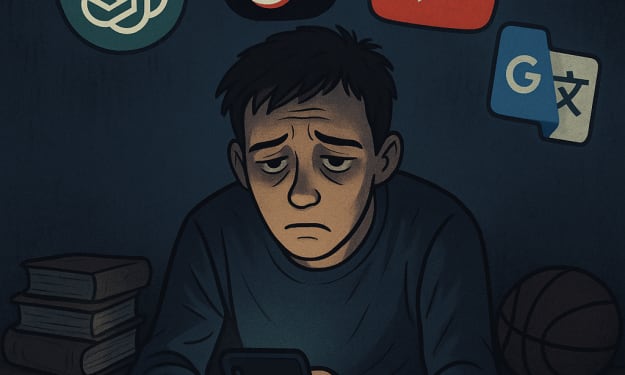
The Age of Technology: Has Our Lives Become Dependent on Smart Devices? In an age filled with science and progress, technology has become an integral part of our daily lives. We use smartphones, tablets, and programs like ChatGPT to make small and large decisions, from food choices to studying, work, and even time management. Our lives have become so connected to these devices that we sometimes forget to rely on personal thinking and creativity.
By PositivePulseabout a year ago in Lifehack