list
Lists of tips and tricks that will help you become a better you; hack your way to an ultimate work, home and social life.
What Happens When You Eat 1 Teaspoon Sunflower Seeds Daily
Sunflower seeds are tiny nutritional powerhouses packed with essential vitamins, minerals, and healthy fats. While many people enjoy them as a snack, few realize that eating just one teaspoon of sunflower seeds daily can have significant health benefits. This simple habit can boost your heart health, support your immune system, and even improve your skin and hair. Let’s explore what happens when you make sunflower seeds a part of your daily diet. 1. Improved Heart Health
By INFO INSIDER 2 years ago in Lifehack
Getting Paid to Use Facebook, Twitter, and YouTube. AI-Generated.
In today’s digital age, social media platforms have become more than just a way to connect with friends and family. They’ve evolved into powerful tools for content creators, influencers, and businesses to generate income. This article will explore how you can potentially earn money using three popular platforms: Facebook, Twitter, and YouTube.
By Todd Sundberg2 years ago in Lifehack
Top 10 Highest Paid NFL Player in 2024: Quarterbacks Dominate the Payroll
The NFL isn’t just the most popular sports league in the world—it’s also the richest. With team valuations averaging 5.93 billion and profits soaring, the league’s biggest star are cashing in like never before. In 2024, the top 20 highest−paid NFL players are set to earn a combined 1.1 billion, a 29% jump from the previous year. And at the heart of this financial explosion? Quarterbacks.
By Victoria Debolt2 years ago in Lifehack
Centers for Disease Control and Prevention (CDC). AI-Generated.
The Centers for Disease Control and Prevention (CDC) is a national public health agency in the United States. It plays a major role in keeping people safe from diseases, improving health, and preventing health emergencies. The CDC works on research, education, and response to public health threats. In this article, we will discuss the history, functions, and importance of the CDC in simple and easy English.
By Farhan Sayed2 years ago in Lifehack
10 Mistakes to Avoid When Teaching Kids About Money
Teaching kids about money is one of the most valuable life lessons parents can provide. Financial literacy helps children develop good habits, make informed decisions, and build a secure future. However, many parents unknowingly make mistakes that hinder their children’s financial growth. Avoiding these pitfalls can set kids up for success. Here are 10 things you should never do when teaching kids about money. 1. Avoiding Money Conversations One of the biggest mistakes parents make is not talking about money at all. Some believe that financial discussions are too complicated for kids, while others feel uncomfortable discussing their own financial situation. However, children are naturally curious and can learn basic money concepts from an early age. Instead of avoiding the topic, introduce simple ideas like saving, spending, and earning in age-appropriate ways. 2. Not Leading by Example Kids learn more from what they see than what they are told. If they observe you spending recklessly, using credit cards irresponsibly, or stressing about money, they are likely to develop similar habits. Be a role model by practicing good financial habits, such as budgeting, saving, and making thoughtful purchasing decisions. 3. Giving an Allowance Without Teaching Budgeting An allowance can be a great tool for teaching financial responsibility, but simply handing money to kids without guidance misses the point. Help them create a simple budget by dividing their allowance into categories like saving, spending, and giving. This teaches them the importance of managing money wisely. 4. Buying Everything They Want Giving in to every request for toys, gadgets, and treats sets unrealistic expectations and prevents children from understanding the value of money. Instead, encourage them to save up for what they want. This instills patience, goal-setting, and an appreciation for delayed gratification. 5. Not Teaching the Difference Between Needs and Wants Many children grow up thinking that all expenses are necessary simply because they see their parents spending money. Teach kids the difference between needs (food, housing, clothing) and wants (toys, video games, designer brands). This helps them make informed spending decisions in the future. 6. Rescuing Them From Financial Mistakes It’s tempting to step in when kids make a poor spending choice, but this prevents them from learning valuable lessons. If they spend all their allowance on candy and have nothing left for a toy they wanted, let them experience the consequences. This teaches accountability and financial responsibility. 7. Avoiding Discussions About Debt and Credit Many parents shy away from discussing debt and credit with their kids, assuming it’s too complex. However, teaching them the basics—like how borrowing works, the importance of paying off credit cards, and the risks of debt—helps them avoid financial pitfalls in adulthood. 8. Not Encouraging Earning Money If kids only receive money without working for it, they may not develop a strong work ethic. Encourage them to earn money through age-appropriate tasks, such as doing extra chores, babysitting, or selling handmade crafts. Learning the connection between work and money instills a sense of responsibility and achievement. 9. Not Teaching the Importance of Giving Money management isn’t just about saving and spending—it’s also about generosity. Teaching kids to donate a portion of their money to charity or help others in need fosters empathy and social responsibility. This helps them develop a healthy relationship with money beyond personal gain. 10. Ignoring Long-Term Financial Lessons Many parents focus on short-term money lessons, like saving for a toy, but fail to introduce long-term financial concepts. As kids grow, teach them about interest, investing, and saving for bigger goals like college or a car. Introducing these ideas early helps them develop strong financial habits for the future. Final Thoughts Teaching kids about money is a lifelong process that requires patience, consistency, and real-life examples. By avoiding these common mistakes, you can equip your children with the skills they need to make smart financial decisions. Start small, be open about money matters, and make learning about finances a fun and engaging experience. The lessons you teach today will shape their financial future for years to come.
By INFO INSIDER 2 years ago in Lifehack
10 Tiny Habits That Calmed My Chaos
Last June, I hit rock bottom. Between work deadlines, family stress, and a relentless news cycle, I found myself lying awake at 3 AM, Googling “how to stop overthinking.” That’s when I realized: I couldn’t control the chaos around me, but I could control how I responded to it. These 10 habits didn’t fix everything overnight, but they gave me small pockets of peace I desperately needed. If you’re feeling overwhelmed, maybe they’ll help you, too.
By KhunchaiZX992 years ago in Lifehack
Unlocking Your Potential: 5 Powerful Habits That Changed My Life. Content Warning. AI-Generated.
Have you at any point felt caught throughout everyday life, similar to you're prepared to do all the more yet don't have the foggiest idea how to arrive? I was in a comparable situation until I found a couple of basic yet groundbreaking propensities. These propensities assisted me with opening my true capacity, accomplish my objectives, and carry on with a really satisfying life. The most awesome aspect? Anybody can take on them!
By PRIYAM DIXIT2 years ago in Lifehack
5 Best Morning Drinks for Weight Loss
Losing weight requires a balanced diet, regular exercise, and healthy habits. One of the best ways to kickstart your weight loss journey is by incorporating healthy morning drinks into your routine. The right drink can boost your metabolism, improve digestion, and help burn fat throughout the day. In this blog, we’ll explore the five best morning drinks for weight loss and how they contribute to a healthier lifestyle. --- 1. Warm Lemon Water
By INFO INSIDER 2 years ago in Lifehack
Our bodies contain about 0.2 milligrams of gold, most of it in our blood.
The Hidden Gold Within: Uncovering the Trace Amounts of Gold in Your Blood Our bodies have some surprising elements. Did you know that there’s approximately 0.2 milligrams of gold in our blood? This tiny amount is a fascinating secret waiting to be unveiled. Let's explore this shimmering mystery and uncover its significance. Introduction: A Golden Secret The Astonishing Fact: Gold in Your Body Gold is often associated with wealth and beauty, but it’s also found in all of us. While the amount may seem minuscule, its existence raises questions about our biology and environment. What does this unseen gold really mean for us? Beyond Jewelry: The Unexpected Presence of Gold Gold isn’t just a treasure worn around the neck or on the finger. It exists within us, hiding in the bloodstream. It's a reminder that nature can be both splendid and peculiar. Exploring the Biological Significance What is the purpose of gold in our bodies? Scientists are still piecing this puzzle together. Understanding this might lead to new discoveries about human health. The Source: Where Does the Gold Come From? Environmental Exposure: Gold in the Air and Water Gold can enter our bodies through the environment. Dust and water carry microscopic particles that may be ingested or inhaled. It’s a natural part of our surroundings. Dietary Intake: Trace Amounts in Food Certain foods also contain trace amounts of gold. For instance: Fish Meat Grains Even small quantities contribute to the overall amount within us. Medical Procedures: Accidental Exposure Sometimes, medical treatments can introduce gold into our systems. Gold compounds are used in some therapies, leading to possible accumulation in the blood. The Concentration: How Much Gold is in Your Blood? Measuring Trace Elements: Analytical Techniques Researchers use advanced methods to measure gold levels in blood. Techniques like mass spectrometry help in accurately detecting such minute amounts. Variations in Gold Levels: Factors Affecting Concentration Gold concentration can vary based on several factors: Diet Location Health conditions These elements influence how much gold a person may have. Comparison to Other Trace Elements: A Biological Perspective Gold isn’t the only trace element in our blood. Others, like iron and zinc, also play crucial roles. Gold usually ranks low in biological priority, but its presence is still intriguing. The Biological Role: Does Gold Serve a Purpose? Current Research: Investigating Potential Functions Studies are ongoing to understand the role of gold in human biology. Some researchers explore its potential therapeutic benefits, looking for new ways to utilize this precious metal. Gold's Interactions with Other Elements: Complex Relationships Gold doesn’t act alone in our bodies. It interacts with various other elements and compounds. Understanding these relationships is key to unlocking its full potential. The Mystery Remains: Ongoing Studies Despite research progress, the exact role of gold remains largely a mystery. Scientists are eager to connect the dots, revealing more about this captivating trace element. Gold's Impact on Health: Benefits and Risks Potential Benefits: Limited Research to Date Some studies suggest that gold might have anti-inflammatory properties. However, results are limited, and many areas need further exploration. Toxicity Concerns: The Importance of Dosage Even valuable substances can be harmful in excess. Large amounts of gold can lead to toxicity. Monitoring is vital to ensure safety. Future Research: Uncovering the Complete Picture More investigations are necessary to understand gold’s effects. Future studies could pave the way for breakthroughs in medical treatments. Practical Implications: What You Should Know Understanding Trace Elements: The Bigger Picture Gold is just one of many trace elements in our bodies. Understanding their roles can help us appreciate the complexity of human biology. Dietary Considerations: Optimal Nutrient Intake Maintaining a balanced diet ensures we get essential nutrients, including trace elements. Eating varied foods promotes overall health. Further Research: Seeking Clarification Continued research is crucial. Greater understanding of trace elements like gold can lead to better health insights and medical advancements. Conclusion: The Fascinating Truth about Gold in Our Bodies Key Takeaways: The Significance of Trace Gold Gold may be a small part of our bodies, but it holds significant intrigue. Its unique presence sparks curiosity and potential for discoveries. Future Directions: Research and Understanding As scientists dig deeper into the human body’s composition, we can expect new insights into the role of gold and other trace elements. Call to Action: Stay Informed on Future Discoveries Stay tuned for updates on this exciting field. Knowledge about our bodies is constantly evolving. Embrace the wonder, and keep learning!
By Story silver book 2 years ago in Lifehack
How to Develop Psychic Abilities Step by Step
Have you ever had a gut feeling that turned out to be eerily accurate? Or perhaps you’ve experienced a dream that later unfolded in real life? These moments might be more than mere coincidence—they could be glimpses of your innate psychic abilities. The truth is, psychic potential lies within all of us, waiting to be awakened and honed. If you’ve ever wondered how to develop psychic abilities, you’re in the right place. Let’s explore the steps to unlock your intuitive powers and tap into the unseen world around you.
By Maria Hayes2 years ago in Lifehack
11 Foods with More Potassium Than Bananas
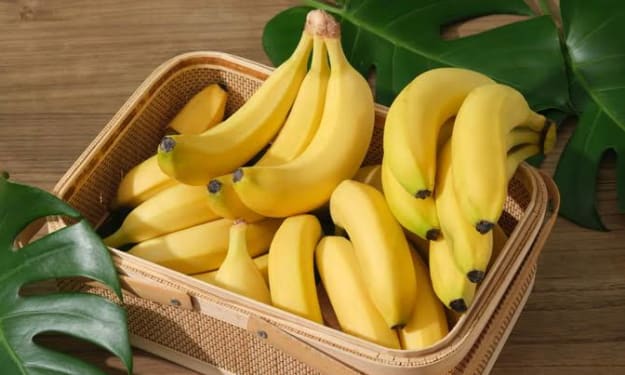
Potassium is an essential mineral that helps regulate muscle contractions, nerve signals, and fluid balance in the body. While bananas are often considered the go-to potassium source, many other foods contain even higher amounts of this vital nutrient. If you’re looking to increase your potassium intake beyond bananas, here are 11 foods that pack an even bigger punch. 1. Sweet Potatoes
By INFO INSIDER 2 years ago in Lifehack