house
Home hacks including DIY organization, storage solutions, cleaning tips and beyond.
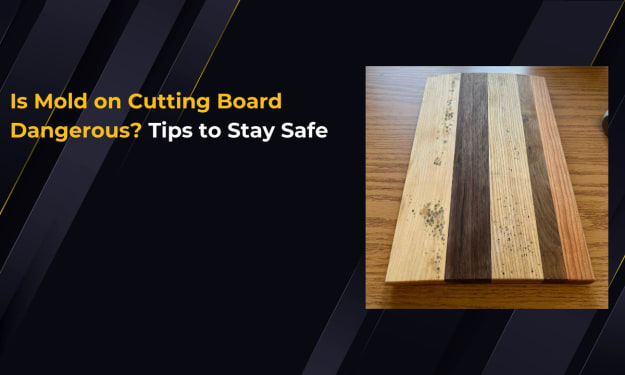
Is Mold on a Cutting Board Dangerous? Tips to Stay Safe
Keeping your kitchen clean is vital for food safety. One area that often gets overlooked is the cutting board. Many home cooks wonder: is mold on cutting board dangerous? Mold can grow on cutting boards when they are exposed to moisture, leftover food particles, or poor ventilation.
By Olivia Kimabout a year ago in Lifehack
The Top 5 Backsplash Materials That Never Go Out of Style
In the world of kitchen design, few choices are as defining as the backsplash. It is both a practical necessity and a visual anchor, setting the tone for the entire room. A backsplash is tasked with protecting the walls from splashes, spills, and heat, but it also functions as an aesthetic statement, uniting cabinetry, countertops, and flooring into a cohesive whole. Because the kitchen is a space that evolves with technology and lifestyle shifts, homeowners often find themselves weighing the question of longevity: Which materials are stylish now but will also look elegant and relevant ten, twenty, or even thirty years from today?
By Tyler McKinseyabout a year ago in Lifehack
The Complete Guide to Hiring a Local Moving Company for a Stress-Free Move
Moving—goodness gracious, even driving around the block—is daunting. There's just too much to do—think about, pack, and haul. But here's the good news: You don't have to do it by yourself. Letting a professional local moving company like Online Movers & Storage handle the move can lift an unimaginable burden from your shoulders—both physically and mentally.
By Online Movers & Storageabout a year ago in Lifehack
Essential Safety Tools Every Home Needs to Survive a Fire
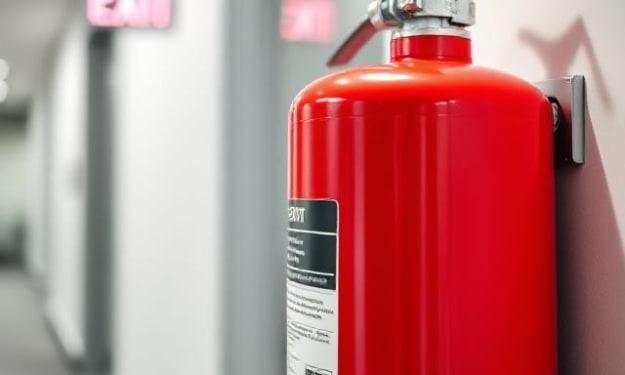
A house fire is one of the most terrifying emergencies anyone can face. Flames can spread quickly, smoke can overwhelm your senses, and panic often takes over. But with the right safety equipment and a clear plan, you can protect your loved ones and minimize damage to your property. Here are the essential tools and precautions every household should have in place to be prepared for fire emergencies. --- 1. Fire Extinguishers No safety plan is complete without a fire extinguisher. These devices are your first line of defense against small fires. Whether it’s an electrical short in your living room or a grease fire in the kitchen, a well-placed extinguisher can stop flames from spreading. Best Practices: Place extinguishers in high-risk areas such as the kitchen, garage, and near heating equipment. Learn how to use them properly (remember the PASS method: Pull, Aim, Squeeze, Sweep). Get them inspected annually and refill them if the pressure gauge drops below the green zone. --- 2. Smoke Alarms Smoke kills more people than fire itself. A reliable smoke alarm can detect smoke early, giving your family precious minutes to escape. Where to Install: Every bedroom Hallways outside sleeping areas On each level of your home, including the basement Maintenance Tips: Test alarms monthly. Replace batteries once a year. Upgrade to interconnected smoke alarms so that when one sounds, all will sound. --- 3. Fire Blankets A fire blanket is an underrated but lifesaving tool. Made from fire-resistant materials, it works by smothering flames and cutting off oxygen. Uses: Cover a person if their clothes catch fire. Smother small kitchen fires quickly. Keep one in the kitchen and another near fireplaces or BBQ areas. --- 4. Escape Ladders For multi-story homes, escape ladders are a must. Fires can block stairways, leaving windows as the only exit. A foldable ladder can give you and your family a safe route down. Tips: Store them near upstairs windows. Practice deploying the ladder with family members so everyone feels confident using it. --- 5. First Aid Kit Even if you escape safely, injuries such as burns or cuts can happen. A well-stocked first aid kit ensures you can treat wounds before professional help arrives. Must-Have Supplies: Burn ointments Bandages and gauze Antiseptic wipes Medical tape Inhalation masks for smoke Regularly check expiry dates and restock supplies. --- 6. Flashlights and Backup Power During a fire, power often goes out, leaving the house dark and smoky. Flashlights make it easier to navigate and find exits. Pro Tip: Keep flashlights and spare batteries in multiple rooms. Consider rechargeable emergency lights that turn on automatically during outages. --- 7. Fire-Resistant Clothing While the goal is always to evacuate quickly, sometimes fire-resistant clothing provides extra seconds of protection. Materials like Nomex and Kevlar can reduce burn risk in extreme conditions. --- 8. A Fire Safety Plan All the equipment in the world won’t matter without a clear plan. Families that practice fire drills are more likely to evacuate safely during real emergencies. What to Include: Multiple escape routes from each room A meeting point outside the home Responsibilities for each family member (like who helps younger children or pets) Emergency contacts Practice at least twice a year so the plan becomes second nature. --- Conclusion Fires are unpredictable, but preparation makes all the difference. Fire extinguishers, smoke alarms, fire blankets, escape ladders, and a solid safety plan together create a shield of protection for your family. Regular maintenance — like checking extinguishers and replacing alarm batteries — ensures your tools are always ready. Being prepared means being safe. Equip your home, educate your family, and take action before an emergency strikes. --- FAQs 1. How often should I check my smoke alarm? At least once a month. Also, change the batteries annually and replace the entire unit every 8–10 years. 2. Where should I keep my fire extinguisher? In high-risk areas such as the kitchen, garage, and laundry room. Mount them on walls for quick access. 3. Can fire blankets be reused? Only if they haven’t been exposed to fire. Once used, replace them immediately. 4. How do I teach kids about fire safety? Keep lessons simple. Practice stop, drop, and roll. Involve them in drills so they know what to do without panic. 5. Is an escape ladder really necessary? Yes, especially if your home has multiple floors. It can be the difference between being trapped and making it out safely. --- About the Creator Muhammad Riaz Muhammad Riaz writes practical safety and lifestyle tips, helping readers prepare for emergencies and protect what matters most. ---
By Muhammad Riazabout a year ago in Lifehack
Essential Fire Extinguisher Care: How to Keep Your Safety Device Always Ready
Workplaces Fire extinguishers are often ignored until the moment we desperately need them. Whether in an office, shop, or home, these devices can stop a small fire before it becomes a disaster. But here’s the catch: a fire extinguisher will only work properly if it’s well maintained. Neglecting regular checks could mean the extinguisher fails during an emergency—and by then, it’s too late. This guide walks you through the most important maintenance practices to keep fire extinguishers reliable, safe, and ready for action when every second matters. --- 1. Do Monthly Visual Inspections The easiest way to keep your extinguisher in good condition is through regular visual checks. A quick look once a month can reveal early problems before they turn into serious risks. What to check: Pressure Gauge: The needle should sit in the green zone. If it points to red, the extinguisher may need recharging or replacement. Physical Condition: Look for dents, leaks, corrosion, or rust. Even small damage can make the extinguisher unsafe. Pin and Seal: Make sure the pin is in place and the tamper seal hasn’t been broken. Instructions: The label should be clear and readable—faded instructions could slow down response in an emergency. Taking five minutes once a month for this check ensures your extinguisher is always in good shape. --- 2. Keep Extinguishers Accessible A fire extinguisher is useless if you can’t reach it quickly. Accessibility is just as important as functionality. Best practices for placement: Mount extinguishers on walls near exits or in high-risk areas like kitchens or workshops. Ensure no furniture, boxes, or equipment block access. In workplaces, install multiple extinguishers so every employee has one within reach. When panic strikes during a fire, seconds matter. A clearly visible, easily accessible extinguisher could save lives. --- 3. Schedule Annual Professional Servicing While monthly checks are important, they can’t replace professional maintenance. At least once a year, have a certified technician service your fire extinguisher. Why annual servicing matters: Internal Inspection: Professionals check valves, hoses, and nozzles for wear and tear. Hydrostatic Testing: Over time, cylinders can weaken. This test ensures the metal can still withstand pressure without bursting. Many extinguishers need this test every 5 years. Recharging: If an extinguisher has been used, even briefly, it must be recharged. Professionals can refill it with the correct extinguishing agent. This yearly step guarantees your extinguisher is not just present, but actually dependable. --- 4. Replace Expired or Damaged Extinguishers Yes, extinguishers expire. Each unit has a recommended lifespan, which varies by model and type. Beyond this date, the extinguisher can no longer be trusted, even if it looks fine. Signs it’s time to replace: The expiry date printed on the label has passed. The pressure gauge reads low and won’t recharge. Visible cracks, leaks, or rust weaken the cylinder. Think of it like this: you wouldn’t use expired medicine in an emergency—so why risk using an expired fire extinguisher? --- 5. Learn to Read Fire Extinguisher Ratings Not all extinguishers fight the same fires. Understanding ratings helps you know what type of extinguisher to use in different emergencies. Fire extinguisher labels explained: Class A: For everyday combustibles (wood, paper, cloth). Class B: For flammable liquids and gases. Class C: For electrical fires. Class D: For combustible metals (used in labs or factories). Class K: For kitchen fires involving oils and fats. Many households use ABC extinguishers, which cover the three most common fire types. Always match the extinguisher to the environment—for example, a Class K extinguisher is essential for restaurants. --- 6. Keep a Maintenance Log For workplaces—and even for organized households—it’s wise to keep a maintenance record. A logbook helps you track inspections and ensures nothing is missed. What to include in the log: Dates of monthly inspections. Pressure readings. Details of professional servicing and hydrostatic testing. Notes on repairs, recharges, or replacements. In many industries, maintaining such a record is a legal requirement. But even at home, it’s a smart way to stay on top of safety. --- Frequently Asked Questions Q1: What’s inside a fire extinguisher? Different extinguishers use different agents: water, foam, dry chemical powder, or CO₂. Each is designed for specific fire types. Q2: What is an ABC extinguisher? An ABC extinguisher is versatile—it works on Class A (combustibles), Class B (liquids/gases), and Class C (electrical) fires. This makes it ideal for homes and offices. Q3: How long do fire extinguishers last? On average, they last between 5 to 15 years, depending on type and maintenance. Always check the manufacturer’s label for the expiry date. Q4: Do I really need to service an extinguisher if it hasn’t been used? Yes. Pressure can leak over time, seals may weaken, and cylinders can corrode. Servicing ensures it will work when needed. --- Final Thoughts Fire extinguishers are silent guardians—often overlooked, but priceless in an emergency. By taking small steps like monthly inspections, keeping them accessible, scheduling annual servicing, and replacing expired units, you ensure they’re always ready when it matters most. Remember, a well-maintained fire extinguisher is not just equipment—it’s a lifeline. Treat it with the same care you would any other life-saving tool. ---
By Muhammad Riazabout a year ago in Lifehack
How to Choose the Right Floor Plan for You
When building or buying a home, the floor plan is one of the most important decisions you will make. A floor plan determines how spaces connect, how people move through the home, and how comfortable the layout will feel in daily life. Unlike décor or furniture, the layout is not easily changed once construction is complete, which makes this choice a long-term commitment.
By Adair Homesabout a year ago in Lifehack
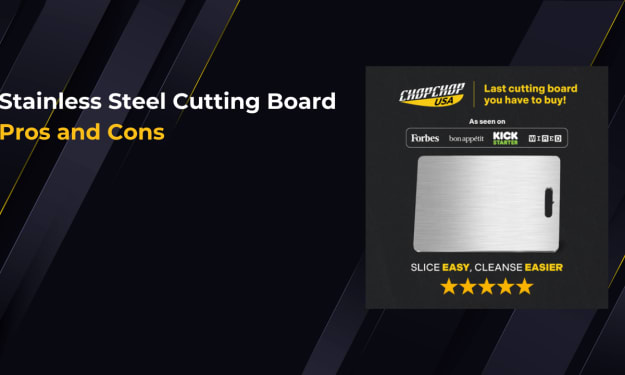
Stainless Steel Cutting Board Pros and Cons
Stainless steel cutting boards are popular in modern kitchens due to their durability, hygiene, and sleek appearance. Often regarded as the safest cutting board material, knowing its pros and cons helps you choose wisely.
By Olivia Kimabout a year ago in Lifehack
Where to Store a Cutting Board
A tidy, well-organized kitchen boosts both efficiency and hygiene. Beyond neatly arranged utensils, proper storage prevents cross-contamination and clutter. Surprisingly, many home cooks overlook the importance of proper cutting board storage.
By Olivia Kimabout a year ago in Lifehack
How Electric Heat Pump Pool Heaters for Inground Pools Keep Swimming Possible in Winter?
As winter sets in, most pool owners reluctantly pack away their swimsuits because the water becomes too cold to enjoy. Yet, with today’s advanced heating technology, you don’t have to shut down your pool for months.
By Derek Palioabout a year ago in Lifehack