health
Health hacks for optimal performance; discover simple suggestions and habits to improve your life, body, mind and spirit.
Nasha Mukti Kendra in Chandigarh
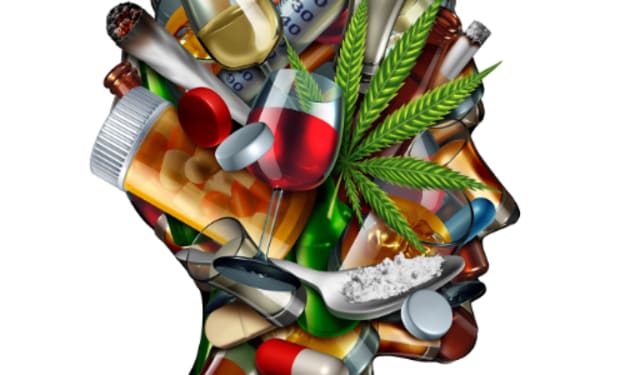
Nasha Mukti Kendra in Chandigarh is a place of refuge for healing and optimism among the fast-paced lifestyle and metropolitan problems. In all spheres of life, substance misuse has emerged as a problem that affects both individuals and families. Nasha Mukti Kendra in Chandigarh stands tall as a beacon of hope, providing comprehensive recovery programs to people seeking freedom from the bonds of addiction, realizing the urgent need for proper addiction treatment.
By Muktinasha33 years ago in Lifehack
5 Easy Habits That Will Quickly Improve Your Life
I’m not going to beat around the bush today. Here are 5 super simple habits you can develop to improve your life asap. These are based on things I’ve recently begun doing and as a result, the quality of my days have improved massively.
By Kishore Karnatakapu3 years ago in Lifehack
Nasha Mukti Kendra In Kurali
Nasha Mukti kendra in Kurali, a facility dedicated to fighting the plague of addiction, is located in the northern state of Haryana, tucked away among scenic surroundings. Numerous lives have been impacted by substance misuse, which has also torn families and communities apart. Despite this, Kurali's Nasha Mukti kendra stands out as a place of healing and hope, giving people a chance to liberate themselves from the grip of addiction and regain their lives.
By Muktinasha23 years ago in Lifehack
How to Prevent and Reverse Gray Hair Naturally
Introduction: Gray hair is a natural part of the aging process, and while it may be an inevitable fate for many, there are interesting developments in the field of research on how to prevent and possibly reverse age-related graying. In this blog, we will explore some exciting findings from researchers in the UK and Germany that offer hope for those looking to maintain their natural hair color or possibly regain it.
By Rohit Singh3 years ago in Lifehack
Nasha Mukti Kendra In Pinjore
The Nasha Mukti Kendra in Pinjore is a location that has been quietly altering lives and healing souls. Pinjore is a tranquil and lovely village. This clinic, which is tucked away in the beautiful vegetation of the Shivalik Hills, has become a ray of hope for people struggling with addiction and seeking freedom from substance usage.
By Muktinasha13 years ago in Lifehack
What happen when you quit Sugar and Salt?
Salt consumption has increased by 50 percent over the last 40 years in the US with the average American consuming 3 400 milligrams of salt a day which is nearly double the amount of salt that's recommended but given that high salt intake is associated with high blood pressure kidney disease stroke and heart disease what actually happens if you quit salt to tackle this question we're first going to start with what happens when you decrease your salt and then we'll move into what would happen if you completely cut salt out of your diet because spoiler alert the results are very different first up a low salt diet which could range from around 1500 milligrams to around 2300 milligrams per day after one week you might not physically feel the difference but your body has already lowered its blood pressure your kidney is responsible for this by regulating what's inside your blood vessels when you're well hydrated and drinking fluids it tells your body to excrete any extra water and if you're dehydrated it sends a signal to not only increase thirst but to cause reabsorption of your fluids in the kidney making your body hold on to more water water this is all in an effort to keep the perfect balance of water and salt between your blood and cells but consuming lots of salt can sometimes get in the way of this process since your body can't produce its own we consume salt through the diet where it's eventually absorbed into your blood normally your kidney would eliminate any excess salt that your body doesn't need similar to how it regulates excess water but over time with high salt intake your kidney can't exactly keep up with filtering it all out which means your blood stays more concentrated with sodium this extra sodium in your blood ends up pulling water from your cells into your blood through osmosis because the water wants to be where the sodium is and that ideal concentration gradient between them is thrown off this ultimately leads to an increase in your blood volume which increases blood pressure and years of research has shown increased blood pressure over long periods of time is associated with many health conditions so by consuming a low sodium diet you minimize the risks of having chronic high blood pressure a few weeks into low sodium and you may be feeling less stressed recent Studies have shown that high levels of salt not only increases stress hormones in the body but that when you're challenged with a stressful situation the hormonal response to it is much more Amplified while these early Studies have been done on mice further research aims to look directly at stress hormones in humans and also examine Salt's role in anxiety and aggression after four weeks you might start feeling lighter because reducing sodium in your diet can reduce bloating the dash sodium trial one of the biggest trials looking at blood pressure and diet showed that high sodium increased bloating in a dose-dependent manner regardless of the type of diet in other words as you decrease salt you're likely to decrease bloating proportionately now the short-term benefits of a low sodium diet are great but the real benefits are long-term a recent study completed in 600 villages in rural China had individuals with a history of stroke or those over the age of 60 with hypertension consume low salt diets they found that reducing salt in the diet reduced Strokes major cardiovascular events and death within five years so how do they actually cut their salt intake they simply substituted 30 percent of sodium chloride typical table salt with potassium chloride salt while it doesn't taste the exact same it's actually a really clever way to make something a little more salty without having to add sodium which is the main culprit and health issues because it's so often over consumed potassium consumption on the other hand is typically under consumed and adequate potassium intake can help improve blood pressure regulation so there's benefits of reducing salt for many people particularly those who have hypertension but what would happen if you completely cut sodium out of your diet it would be pretty hard since nearly everything you consume has some level of salt in it but let's play it out it's obviously important for your body your nerves signal what the use of salts are muscles contract and relax thanks to salts it's also involved with helping transport nutrients throughout the body so when you don't have enough your body enters a state known as hyponatremia just like too much salt not enough can cause problems between the blood and cells but this time in an attempt to get the salt concentration and gradient back to normal your body starts excreting Water by getting rid of water it helps to solve one problem but this can lead to severe dehydration within one week you might begin to feel nauseous and start vomiting of course vomiting can also reduce any sodium left in our body which would make the condition worse after two weeks you may start to get random muscle twitching because our muscles require sodium for Contracting and relaxing and after three weeks it's likely that the brain would begin to increase in size because the vessels surrounding the brain have less salt compared to the tissue so the water moves into the cells the osmosis resulting in swelling this will first lead to confusion and can eventually cause seizures and bring you into a coma and I know what you're thinking just add some salt back into the diet and you're back to normal but there's a catch we actually can't correct our blood sodium too fast or we can cause osmotic demyelination because the brain gets dehydrated this is why going too extreme on salt reduction can be risky particularly for people who are not at risk for hypertension in the first place some data suggests that low sodium diets can not only impact your mental Clarity and focus but taken too far can actually increase the risk of cardiovascular disease as well while many people do eat too much salt if you're a healthy person eating mainly Whole Foods or low carbs which hold on to water for your body or doing a lot of exercise it's important to maintain or ingest salt into your system and if you don't have hypertension or a risk for high blood pressure studies generally show it's not something you need to overthink it's really about finding that Goldilocks range not too high and not too low which guidelines typically say is around 2 300 milligrams per day for most people for many people your body will tell you what you need if you're craving it or feeling grossed out by salt just listen to your body but of course does always talk to your Healthcare professional to figure out whether on either end of the extreme Spectrum after all some individuals are more sensitive to Salt than others for example women of all ethnicities and age groups have been shown to fall into this category so higher salt diets may be a bigger risk like everything in life the dose is the poison and in this case too much or too little can hurt you but what about electrolytes what is their relationship to salt should you be thinking about them when you're exercising what do you need to know we actually have an entire podcast about electrolytes you can check out here on our podcast Channel or anywhere else that you'd normally listen to a podcast like Spotify or iTunes thank you so much for watching hopefully this has been useful and educational for you if you liked it make sure you like the video otherwise subscribe for more science in the very near future peace
By Veng Sreypich3 years ago in Lifehack
What happen when you quit salt
Salt consumption has increased by 50 percent over the last 40 years in the US with the average American consuming 3 400 milligrams of salt a day which is nearly double the amount of salt that's recommended but given that high salt intake is associated with high blood pressure kidney disease stroke and heart disease what actually happens if you quit salt to tackle this question we're first going to start with what happens when you decrease your salt and then we'll move into what would happen if you completely cut salt out of your diet because spoiler alert the results are very different first up a low salt diet which could range from around 1500 milligrams to around 2300 milligrams per day after one week you might not physically feel the difference but your body has already lowered its blood pressure your kidney is responsible for this by regulating what's inside your blood vessels when you're well hydrated and drinking fluids it tells your body to excrete any extra water and if you're dehydrated it sends a signal to not only increase thirst but to cause reabsorption of your fluids in the kidney making your body hold on to more water water this is all in an effort to keep the perfect balance of water and salt between your blood and cells but consuming lots of salt can sometimes get in the way of this process since your body can't produce its own we consume salt through the diet where it's eventually absorbed into your blood normally your kidney would eliminate any excess salt that your body doesn't need similar to how it regulates excess water but over time with high salt intake your kidney can't exactly keep up with filtering it all out which means your blood stays more concentrated with sodium this extra sodium in your blood ends up pulling water from your cells into your blood through osmosis because the water wants to be where the sodium is and that ideal concentration gradient between them is thrown off this ultimately leads to an increase in your blood volume which increases blood pressure and years of research has shown increased blood pressure over long periods of time is associated with many health conditions so by consuming a low sodium diet you minimize the risks of having chronic high blood pressure a few weeks into low sodium and you may be feeling less stressed recent Studies have shown that high levels of salt not only increases stress hormones in the body but that when you're challenged with a stressful situation the hormonal response to it is much more Amplified while these early Studies have been done on mice further research aims to look directly at stress hormones in humans and also examine Salt's role in anxiety and aggression after four weeks you might start feeling lighter because reducing sodium in your diet can reduce bloating the dash sodium trial one of the biggest trials looking at blood pressure and diet showed that high sodium increased bloating in a dose-dependent manner regardless of the type of diet in other words as you decrease salt you're likely to decrease bloating proportionately now the short-term benefits of a low sodium diet are great but the real benefits are long-term a recent study completed in 600 villages in rural China had individuals with a history of stroke or those over the age of 60 with hypertension consume low salt diets they found that reducing salt in the diet reduced Strokes major cardiovascular events and death within five years so how do they actually cut their salt intake they simply substituted 30 percent of sodium chloride typical table salt with potassium chloride salt while it doesn't taste the exact same it's actually a really clever way to make something a little more salty without having to add sodium which is the main culprit and health issues because it's so often over consumed potassium consumption on the other hand is typically under consumed and adequate potassium intake can help improve blood pressure regulation so there's benefits of reducing salt for many people particularly those who have hypertension but what would happen if you completely cut sodium out of your diet it would be pretty hard since nearly everything you consume has some level of salt in it but let's play it out it's obviously important for your body your nerves signal what the use of salts are muscles contract and relax thanks to salts it's also involved with helping transport nutrients throughout the body so when you don't have enough your body enters a state known as hyponatremia just like too much salt not enough can cause problems between the blood and cells but this time in an attempt to get the salt concentration and gradient back to normal your body starts excreting Water by getting rid of water it helps to solve one problem but this can lead to severe dehydration within one week you might begin to feel nauseous and start vomiting of course vomiting can also reduce any sodium left in our body which would make the condition worse after two weeks you may start to get random muscle twitching because our muscles require sodium for Contracting and relaxing and after three weeks it's likely that the brain would begin to increase in size because the vessels surrounding the brain have less salt compared to the tissue so the water moves into the cells the osmosis resulting in swelling this will first lead to confusion and can eventually cause seizures and bring you into a coma and I know what you're thinking just add some salt back into the diet and you're back to normal but there's a catch we actually can't correct our blood sodium too fast or we can cause osmotic demyelination because the brain gets dehydrated this is why going too extreme on salt reduction can be risky particularly for people who are not at risk for hypertension in the first place some data suggests that low sodium diets can not only impact your mental Clarity and focus but taken too far can actually increase the risk of cardiovascular disease as well while many people do eat too much salt if you're a healthy person eating mainly Whole Foods or low carbs which hold on to water for your body or doing a lot of exercise it's important to maintain or ingest salt into your system and if you don't have hypertension or a risk for high blood pressure studies generally show it's not something you need to overthink it's really about finding that Goldilocks range not too high and not too low which guidelines typically say is around 2 300 milligrams per day for most people for many people your body will tell you what you need if you're craving it or feeling grossed out by salt just listen to your body but of course does always talk to your Healthcare professional to figure out whether on either end of the extreme Spectrum after all some individuals are more sensitive to Salt than others for example women of all ethnicities and age groups have been shown to fall into this category so higher salt diets may be a bigger risk like everything in life the dose is the poison and in this case too much or too little can hurt you but what about electrolytes what is their relationship to salt should you be thinking about them when you're exercising what do you need to know we actually have an entire podcast about electrolytes you can check out here on our podcast Channel or anywhere else that you'd normally listen to a podcast like Spotify or iTunes thank you so much for watching hopefully this has been useful and educational for you if you liked it make sure you like the video otherwise subscribe for more science in the very near future peace
By Veng Sreypich3 years ago in Lifehack
Mini Summer Challenge
Summer is the season of warmth, sunshine, and rejuvenation, making it the perfect time to embark on a transformative journey. If you're looking to revitalize your living space, boost your productivity, and prioritize self-care, then the Mini Summer Challenge is just what you need! Over the course of 17 days, I will take you through a series of tasks that promise to refresh your surroundings, streamline your routines, and nurture your overall well-being. I first used this in December, when I saw Tayshabib on TikTok do her GMLT challenge and she even has a template on Notion that I have utilized and it has done my life a lot of good! So, let's dive in and create a more organized, inspired, and blissful summer ahead!
By Tati Marshall3 years ago in Lifehack