health
Health hacks for optimal performance; discover simple suggestions and habits to improve your life, body, mind and spirit.
How Your Brain Shapes Reality: A Journey into Perception and Imagination
The Mind's Perplexing Relationship with Reality In the vast realms of philosophy and science, a timeless debate lingers about whether our experience aligns with objective reality. While some argue that we perceive reality as it truly is, others propose that our understanding is shaped by the signals our brains receive. This blog explores the fascinating intricacies of the brain's perception of reality and the role of past experiences in creating social reality.
By Rohit Singh3 years ago in Lifehack
How Exercise Boosts Your Brain: The Science Behind a Happier Mind
Introduction: For many years, neuroscientist and psychology professor, Dr. Wendy Suzuki, has been fascinated by the hippocampus and its role in forming new memories. Her journey into the world of neuroscience began in 1998 when she started studying the hippocampus as a young assistant professor at New York University. Little did she know that her curiosity would lead her to a life-changing realization about the profound impact of exercise on the brain.
By Rohit Singh3 years ago in Lifehack
Far reaching Manual for Weight reduction and Working out: Powerful Tips and Strategies
Presentation: Weight reduction and working out are two particular yet interconnected ventures that numerous people leave on to change their bodies and work on by and large wellbeing and wellness. This complete aide expects to give significant experiences and commonsense tips for those trying to shed overabundance weight while at the same time fabricating slender bulk. By joining the standards of compelling weight reduction and working out, you can accomplish a very much conditioned and better build that supports certainty and improves prosperity.
By Prashant Kumar 3 years ago in Lifehack
The Surprising Connection: Oral Health & Weight Loss
Maintaining good oral health and achieving weight loss are two common goals that often top our wellness lists. We diligently brush, floss, and watch our diets in an attempt to achieve a radiant smile and a healthier body. While we might consider these pursuits separate, the surprising truth is that oral health and weight loss are closely interconnected. In this blog, we'll explore the fascinating relationship between the two and shed light on how a professional dentist in Plano can play a pivotal role in this connection.
By Jasper Delaney3 years ago in Lifehack
Breaking the Sound Barrier: Empowering Children with Hearing Aids in Delhi
Hearing aids in Delhi have emerged as a powerful tool in transforming the lives of young children facing hearing impairment. In this bustling metropolis, where the clamor of daily life can drown out the gentle symphony of sound, it is crucial to recognize the importance of early intervention for children with hearing loss. Understanding the prevalence and impact of this condition is key to appreciating the life-changing potential of hearing aids in empowering our little ones.
By Soundrich Hearing3 years ago in Lifehack
Today: Astrological prediction for July 31, 2023. Content Warning.
All zodiac signs have their own characteristics and traits which define someone’s personality. Wouldn’t it be helpful if you started your day by already knowing about what’s going to come your way? Read on to find out whether the odds will be in your favor today.
By OfficialNews3 years ago in Lifehack
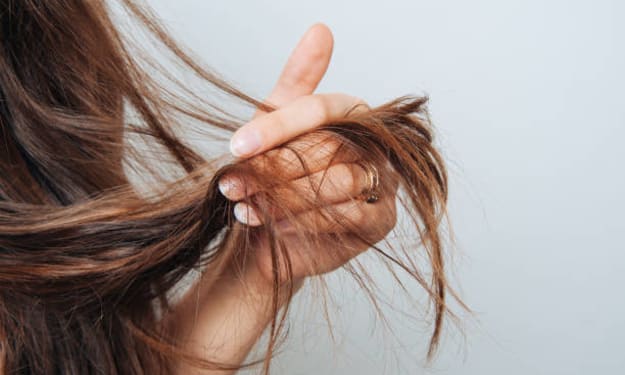
Unlock the Secrets to Healthy and Gorgeous Hair: A Comprehensive Guide to Hair Care Procedures
Understanding the Importance of Hair Care Procedures While daily hair care, including cleansing and conditioning, is vital, there are additional procedures that can take your hair care routine to the next level. Hair care procedures offer specialized benefits, addressing specific concerns and enhancing the overall health of your hair. Here are some reasons why hair care procedures are essential: 1. Nourishment and Moisture: Hair care procedures such as deep conditioning treatments and oil massages provide intense nourishment and moisture to your hair. They help replenish lost nutrients and strengthen your strands from root to tip. 2. Repair and Restoration: Exposure to environmental factors, heat styling, and chemical treatments can cause damage to your hair. Hair care procedures help repair and restore your hair’s health, reducing breakage and split ends. 3. Scalp Health: A healthy scalp is crucial for promoting hair growth and preventing issues like dandruff and itchiness. Hair care procedures that focus on scalp health can improve blood circulation, reduce inflammation, and balance sebum production. 4. Hair Growth: Certain hair care procedures, such as scalp massages and stimulating treatments, can stimulate hair follicles and promote hair growth. 5. Preventive Care: Regular hair care procedures act as preventive measures, protecting your hair from potential damage and preserving its beauty. Now that we understand the importance of hair care procedures let’s explore a variety of treatments and techniques that can help you achieve healthy and good-looking hair: 1. Deep Conditioning Treatments: Intense Nourishment for Your Hair Deep conditioning treatments are an excellent way to provide intense nourishment and hydration to your hair. These treatments use specialized hair masks or conditioners that penetrate deeply into the hair shaft, delivering essential nutrients and moisture. Here’s how to perform a deep conditioning treatment: - Choose the right product: Select a deep conditioning mask or treatment that matches your hair type and addresses your specific concerns, such as dryness, damage, or color-treated hair. - Shampoo your hair: Before applying the deep conditioner, shampoo your hair to remove any dirt and product buildup. This helps the treatment penetrate more effectively. - Towel-dry your hair: Gently squeeze out excess water from your hair with a soft towel. Your hair should be damp, not soaking wet, to allow the deep conditioner to be absorbed properly. - Apply the deep conditioner: Take a generous amount of the deep conditioning product and apply it to your hair, focusing on the mid-lengths and ends. Avoid applying the product to the roots, as it can weigh down your hair. - Comb through your hair: Use a wide-tooth comb to distribute the deep conditioner evenly through your hair. This ensures that every strand receives the nourishing benefits. - Allow time for treatment: Follow the recommended time for the deep conditioning treatment. This usually ranges from 5 to 30 minutes, depending on the product and your hair’s condition. - Add heat (optional): For even better results, consider adding heat to your deep conditioning treatment. You can use a shower cap to trap heat and enhance the product’s absorption. Alternatively, sit under a hooded dryer or use a warm towel. - Rinse with cool water: After the treatment time is up, rinse your hair with cool water to seal the cuticle and lock in the moisture. - Frequency: How often you should do a deep conditioning treatment depends on your hair’s condition. For damaged or dry hair, you may benefit from weekly treatments. Otherwise, once every two weeks is generally sufficient. 2. Hair Masks: Targeted Solutions for Hair Concerns Hair masks are specialized treatments that target specific hair concerns, such as frizz, split ends, and lack of shine. They come in various formulations, including hydrating, repairing, and smoothing masks. Here’s how to use hair masks effectively: - Choose the right hair mask: Select a hair mask that addresses your specific needs and concerns. For example, if your hair is dry and frizzy, opt for a moisturizing and smoothing mask. - Shampoo your hair: Before applying the hair mask, shampoo your hair to remove any buildup and prepare your hair for better absorption. - Towel-dry your hair: Gently remove excess water from your hair with a soft towel. Your hair should be damp but not dripping wet. - Apply the hair mask: Take a generous amount of the hair mask and apply it to your hair, focusing on the mid-lengths and ends. Avoid applying the product to the roots. - Comb through your hair: Use a wide-tooth comb to distribute the hair mask evenly and ensure every strand receives the treatment. - Allow time for treatment: Follow the recommended time for the hair mask treatment, as indicated on the product packaging. - Rinse with cool water: After the treatment time is up, rinse your hair with cool water to seal the cuticle and enhance shine. - Frequency: How often you should use a hair mask depends on your hair’s condition and the product’s instructions. Generally, once a week or every other week is sufficient for most hair types. 4. Scalp Massages: Stimulate Hair Growth and Scalp Health Scalp massages are not only relaxing but also beneficial for stimulating hair growth and maintaining scalp health. Massaging the scalp increases blood flow, which nourishes hair follicles and promotes hair growth. Here’s how to perform a scalp massage: - Use your fingertips: Use the pads of your fingertips to gently massage your scalp. Avoid using your nails, as they can cause irritation. - Apply gentle pressure: Apply gentle pressure in circular motions all over your scalp. Focus on areas where you experience tension or dryness. - Use oil (optional): If you prefer, you can use a few drops of hair oil or a scalp oil blend during the massage. This provides additional nourishment and helps moisturize the scalp. - Duration: Aim to massage your scalp for at least 5 to 10 minutes. You can do this while shampooing your hair or as a separate treatment. - Frequency: You can perform a scalp massage as often as you like. Some people incorporate it into their hair care routine a few times a week, while others enjoy a daily scalp massage. 5. Hair Oil Treatments: Nourishment and Shine Hair oil treatments provide an extra boost of nourishment and shine to your hair. These treatments use natural oils that are rich in nutrients and fatty acids to moisturize and protect your hair. Here’s how to perform a hair oil treatment: - Choose the right oil: Select a hair oil that suits your hair type and concerns. Common hair oils include coconut oil, argan oil, jojoba oil, and almond oil. - Warm the oil: Gently warm the hair oil by placing the container in a bowl of warm water or microwaving it for a few seconds. Warm oil is more comfortable to apply and allows for better absorption. - Apply the Oil: Take a small amount of the warmed oil and apply it to your hair, focusing on the mid-lengths and ends. You can also apply a small amount to your scalp if you have dry or itchy skin. - Comb through your hair: Use a wide-tooth comb to distribute the oil evenly through your hair and ensure every strand receives the treatment. - Wrap your hair: To enhance the effectiveness of the hair oil treatment, you can wrap your hair in a warm towel or wear a shower cap. This traps heat and allows the oil to penetrate better. - Allow time for treatment: Follow the recommended time for the hair oil treatment. This can range from 30 minutes to overnight, depending on your hair’s condition and the type of oil used. - Rinse and shampoo: After the treatment time is up, rinse your hair thoroughly with cool water. Follow with shampoo to remove any excess oil. - Frequency: How often you should do a hair oil treatment depends on your hair’s condition. For dry or damaged hair, once a week is beneficial. Otherwise, once every two weeks is generally sufficient. 6. Hair Trims: Maintain Healthy Ends Regular hair trims are essential for maintaining healthy ends and preventing split ends. Trimming your hair removes damaged and frayed ends, promoting hair growth and overall hair health. Here’s what you need to know about hair trims: - Frequency: How often you should trim your hair depends on your hair’s condition and how quickly it grows. On average, getting a trim every 6 to 8 weeks is beneficial for most people. - Choose the right hairdresser: Find a hairdresser or stylist who understands your hair type and listens to your preferences. Communicate your hair care goals and the amount you want to trim off. - Consider hair health: If your hair is in excellent condition, you may only need a small trim to maintain its shape and remove any split ends. If your hair is damaged or has split ends, you may need a more significant trim to refresh your hairstyle. 7. Hair Steam Treatments: Deep Hydration and Softness Hair steam treatments offer deep hydration and softness to your hair. The steam helps to open the hair cuticle, allowing products to penetrate more effectively. Here’s how to do a hair steam treatment: - Choose the right products: Select a hair mask or deep conditioner that you want to use for the steam treatment. - Apply the product: Apply the hair mask or deep conditioner to your hair, focusing on the mid-lengths and ends. - Use a steamer or warm towel: You can use a hair steamer or wrap a warm towel around your head to create steam. The steam should be warm, not too hot. - Duration: Leave the steam on for the recommended time, as indicated on the product packaging. - Rinse with cool water: After the treatment time is up, rinse your hair with cool water to seal the cuticle. - Frequency: How often you should do a hair steam treatment depends on your hair’s condition and the product’s instructions. Generally, once a week or every other week is sufficient. 8. Hair Protein Treatments: Strengthen and Repair Hair protein treatments are ideal for strengthening and repairing damaged hair. These treatments contain proteins that help fortify your hair and reduce breakage. Here’s how to do a hair protein treatment: - Choose the right product: Select a protein-based hair treatment that suits your hair type and concerns. - Apply the treatment: Apply the protein treatment to your hair, focusing on the mid-lengths and ends. Avoid applying it to your roots. - Allow time for treatment: Follow the recommended time for the protein treatment, as indicated on the product packaging. - Rinse with cool water: After the treatment time is up, rinse your hair with cool water to seal the cuticle. - Frequency: How often you should do a hair protein treatment depends on your hair’s condition. For damaged or weakened hair, once a week or every other week is beneficial. Otherwise, once every two weeks is generally sufficient. 9. Hair Dye and Chemical Treatments: Proceed with Caution Chemical treatments such as hair dyeing and perming can alter your hair’s structure and lead to damage. If you choose to use chemical treatments, proceed with caution and take steps to protect your hair: - Consult a professional: For complex or drastic changes, it’s best to consult a professional hairdresser or colorist. They can assess your hair’s condition and recommend the best approach. - Use high-quality products: Opt for high-quality hair dyes and chemical treatments to minimize damage. - Follow the instructions: Always follow the instructions provided with the product to ensure safe and effective application. - Limit frequency: Avoid excessive use of chemical treatments, as frequent use can weaken your hair and lead to breakage. - Use hair masks and treatments: After chemical treatments, use deep conditioning treatments and hair masks to replenish moisture and repair damage. - Consider semi-permanent options: Semi-permanent hair dyes and treatments are less damaging than permanent ones. They gradually fade over time, reducing the risk of harsh regrowth lines. Incorporating these hair care procedures into your routine can make a significant difference in the health and appearance of your hair. Remember that consistency is key, and it’s essential to choose procedures that suit your hair type and concerns. With proper care and attention, you can achieve the healthy, vibrant, and good-looking hair you’ve always dreamed of.
By Aessy Lefiano3 years ago in Lifehack
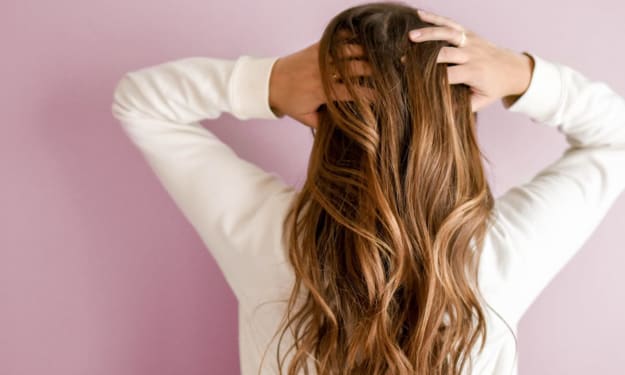
Unlock the Secrets to Gorgeous Hair: A Comprehensive Guide to Hair Care Routines
Understanding the Basics of Hair Care Before delving into the specifics of a hair care routine, it’s essential to understand the basics of hair care and the factors that can impact the health and appearance of your locks: 1. Hair Structure Hair is composed primarily of a protein called keratin, which forms the hair shaft. Each hair strand consists of three layers: the cuticle, cortex, and medulla. The cuticle is the outermost layer, protecting the inner layers of the hair shaft. Understanding your hair’s structure can help you choose the right products and treatments for optimal results. 2. Hair Type and Texture Hair types and textures vary from person to person. Hair can be straight, wavy, curly, or kinky, and it may be fine, medium, or coarse. Each hair type has its unique characteristics and care requirements. Identifying your hair type and texture is essential for tailoring a hair care routine that suits your specific needs. 3. Environmental and Lifestyle Factors External factors such as sun exposure, pollution, humidity, and chemical treatments can impact the health of your hair. Additionally, lifestyle choices, such as heat styling, frequent hair coloring, and diet, can influence the condition and appearance of your locks. Being aware of these factors helps you make informed choices to promote healthy hair. Now that we have an overview of the basics, let’s explore the essential elements of a hair care routine and the steps you can take to maintain gorgeous hair: 1. Cleansing: The Foundation of Healthy Hair Regular cleansing is the cornerstone of a hair care routine. Proper cleansing removes dirt, excess oil, product buildup, and environmental pollutants from your hair and scalp. Here’s how to cleanse your hair effectively: - Choose the right shampoo: Select a shampoo that is suitable for your hair type and addresses your specific concerns, such as dryness, oily scalp, or color-treated hair. Avoid shampoos containing harsh sulfates, as they can strip your hair of natural oils. - Rinse your hair thoroughly: Before applying shampoo, wet your hair thoroughly with warm water. This helps to open the hair cuticle and allows the shampoo to penetrate effectively. After shampooing, rinse your hair thoroughly to ensure no residue remains. - Massage your scalp: While shampooing, gently massage your scalp with your fingertips in circular motions. This stimulates blood flow to the scalp and promotes hair growth. Be gentle to avoid tangling or damaging your hair. - Avoid over-shampooing: Washing your hair every day may strip it of its natural oils, leading to dryness and breakage. For most people, shampooing every two to three days is sufficient. Adjust the frequency based on your hair type and lifestyle. 2. Conditioning: Nourishing Your Locks Conditioning is essential for replenishing moisture, smoothing the cuticle, and reducing frizz. It helps to keep your hair soft, manageable, and protected from damage. Follow these tips for effective conditioning: - Choose the right conditioner: Select a conditioner that matches your hair type and addresses your specific needs, such as hydrating, volumizing, or repairing conditioner. If you have fine hair, focus on applying conditioner to the ends to avoid weighing down your hair. - Apply conditioner after shampooing: After shampooing, apply the conditioner to damp hair, focusing on the mid-lengths and ends. Avoid applying conditioner to the roots, as it can lead to greasiness. - Comb through your hair: Use a wide-tooth comb to distribute the conditioner evenly through your hair. This helps ensure every strand receives nourishment and reduces tangles. - Follow the recommended time: Leave the conditioner on for the recommended time, usually a few minutes, to allow it to work its magic. - Rinse with cool water: Rinse the conditioner with cool water to close the cuticle and seal in moisture. This enhances shine and reduces frizz. 3. Styling: Minimize Heat and Protect Your Hair Styling can transform your hair and enhance your overall look, but excessive heat styling and harsh techniques can lead to damage. Here’s how to style your hair while minimizing damage: - Limit heat styling: Reduce the use of heat styling tools such as blow dryers, flat irons, and curling wands. Embrace natural hairstyles whenever possible. - Use heat protectants: Before using heat styling tools, apply a heat protectant spray or serum to shield your hair from damage. This creates a protective barrier between your hair and the heat. - Lower the heat setting: If you must use heat styling tools, set them to a lower heat setting. High heat can lead to dryness, frizz, and split ends. - Use the right styling products: Choose styling products that suit your hair type and the look you want to achieve. Use volumizing products for fine hair, smoothing serums for frizz control, and styling creams for definition and hold. - Avoid tight hairstyles: Avoid hairstyles that pull on your hair, such as tight ponytails, braids, or buns
By Aessy Lefiano3 years ago in Lifehack
Weight Loss Made Easy: Practical Tips and Ideas for Real Results
Losing weight can often feel like a daunting task, especially with the overwhelming amount of information and fad diets available. However, achieving your weight loss treatment and goals doesn't have to be complicated. By focusing on practical and sustainable strategies, you can make the journey to a healthier you more manageable and enjoyable.
By Anjali Prabhakar3 years ago in Lifehack