health
Health hacks for optimal performance; discover simple suggestions and habits to improve your life, body, mind and spirit.
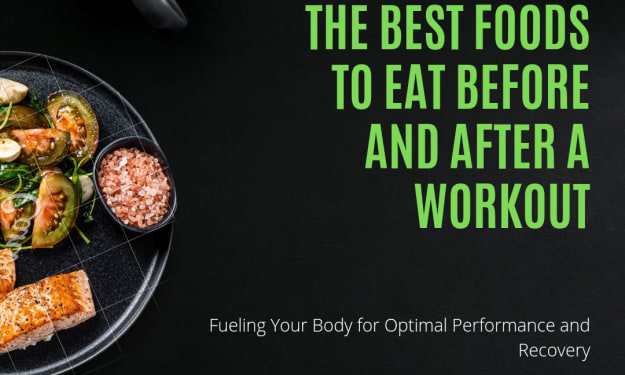
The Best Foods to Eat Before and After a Workout
Whether you're a fitness enthusiast or a casual gym-goer, the foods you eat before and after a workout can have a significant impact on your performance, energy levels, and overall fitness gains. Proper nutrition is the key to maximizing your potential in the gym and enhancing your post-exercise recovery. In this comprehensive guide, we will explore the best foods to eat before and after a workout, providing you with valuable insights to fuel your body effectively and achieve the best results from your fitness routine. Part 1: Pre-Workout Nutrition 1. Understanding Pre-Workout Nutrition Pre-workout nutrition is about preparing your body to perform optimally during exercise. The right combination of nutrients can help boost energy levels, sustain endurance, and prevent fatigue, allowing you to push harder and achieve more during your workout. Proper pre-workout nutrition also helps maintain stable blood sugar levels, ensuring you stay focused and alert during exercise. 2. Carbohydrates: The Energy Source Carbohydrates are the primary fuel for physical activity, providing the body with readily available energy. Opt for complex carbohydrates like whole grains, brown rice, quinoa, and sweet potatoes, as they release glucose into the bloodstream slowly, sustaining energy levels throughout your workout. Consuming carbohydrates before exercise also helps replenish glycogen stores in your muscles, giving you the stamina needed for longer, intense sessions. 3. Protein: Supporting Muscle Function Protein plays a crucial role in pre-workout nutrition, supporting muscle function and preventing excessive muscle breakdown during exercise. Including a moderate amount of protein in your pre-workout meal can improve muscle recovery and growth. Opt for lean sources of protein like chicken, turkey, fish, tofu, or plant-based options such as lentils and chickpeas. 4. Healthy Fats: Long-lasting Energy Contrary to popular belief, healthy fats are beneficial in pre-workout nutrition, especially for sustained energy during longer workouts. Sources of healthy fats include avocados, nuts, seeds, and olive oil. Consuming these fats before exercise can provide a steady energy supply and prevent the rapid fluctuations associated with sugary snacks. 5. Hydration: The Key to Performance Proper hydration is vital for optimal workout performance. Dehydration can lead to reduced energy levels, decreased endurance, and impaired focus. Drink water throughout the day leading up to your workout, and consider consuming an electrolyte-rich beverage if you anticipate intense or prolonged exercise to replenish essential minerals lost through sweat. 6. Timing Matters: When to Eat The timing of your pre-workout meal is crucial to avoid discomfort and optimize performance. Aim to eat a balanced meal containing carbohydrates, protein, and healthy fats about 1 to 3 hours before exercising. This timeframe allows your body to digest and absorb the nutrients, providing you with sufficient energy without feeling sluggish during your workout. Part 2: Post-Workout Nutrition 1. The Importance of Post-Workout Nutrition Post-workout nutrition is a critical aspect of the recovery process. After exercise, your body is primed to absorb nutrients to replenish energy stores and repair muscle tissue. Proper post-workout nutrition can help reduce muscle soreness, improve muscle protein synthesis, and enhance overall recovery, setting you up for future success in your fitness journey. 2. Protein: The Building Blocks of Recovery Protein is essential for muscle repair and growth, making it a fundamental component of post-workout nutrition. Consuming protein after exercise provides your body with the necessary amino acids to rebuild and strengthen muscle tissue. Whey protein, found in dairy products, is a fast-digesting option, while plant-based sources like soy or pea protein are excellent alternatives for vegans or those with lactose intolerance. 3. Carbohydrates: Restoring Glycogen Levels Replenishing glycogen stores in your muscles after a workout is vital for recovery and future performance. High-glycemic carbohydrates such as bananas, white rice, and potatoes are effective in rapidly restoring glycogen levels in the body. Combining carbohydrates with protein in your post-workout meal can also enhance glycogen replenishment. 4. Antioxidant-Rich Foods: Fighting Free Radicals Exercise generates free radicals in the body, leading to oxidative stress and cellular damage. Consuming antioxidant-rich foods like berries, leafy greens, and dark chocolate post-workout can help neutralize these harmful free radicals, reducing inflammation and supporting overall recovery. 5. Hydration: Replenishing Fluids Hydration is just as important after exercise as it is before. Replenish lost fluids by drinking water or a sports drink containing electrolytes to rehydrate and replace minerals lost through sweat. Proper hydration aids in nutrient transport, supporting muscle recovery and overall bodily function. 6. Timing Matters: When to Eat The post-workout period, often referred to as the "anabolic window," is crucial for nutrient uptake and muscle recovery. Aim to consume a balanced meal containing protein and carbohydrates within 30 minutes to an hour after completing your workout to maximize the benefits of your post-exercise nutrition. Part 3: Special Considerations 1. Personalization: Listen to Your Body While general guidelines are helpful, personalization is key when it comes to pre and post-workout nutrition. Everyone's body is different, and individual needs and preferences can vary. Pay attention to how different foods make you feel and adjust your nutrition plan accordingly to optimize your workout performance and recovery. 2. Intensity and Type of Exercise The intensity and type of exercise you engage in can influence your nutritional requirements. For instance, endurance activities like long-distance running may require more carbohydrates, while resistance training may demand higher protein intake for muscle repair and growth. 3. Dietary Restrictions If you have specific dietary restrictions or follow a particular eating plan (e.g., vegan, vegetarian, gluten-free), it's essential to find suitable alternatives that fulfill your nutritional needs without compromising your workout performance or recovery. 4. Avoid Processed and Sugary Foods While some processed or sugary snacks may seem convenient, they can hinder your workout performance and overall health. Stick to whole, nutrient-dense foods and avoid excessive added sugars and unhealthy fats. Proper pre and post-workout nutrition are essential components of a successful fitness journey. The foods you eat before exercise provide your body with the energy and nutrients necessary to perform at its best, while post-workout nutrition supports recovery and muscle repair. By incorporating a balanced intake of carbohydrates, protein, and healthy fats into your workout routine, staying hydrated, and choosing antioxidant-rich foods, you can optimize your performance, achieve your fitness goals, and enjoy the full benefits of an active and healthy lifestyle. Remember, the key is to listen to your body, make informed choices, and consistently fuel it with the nourishment it deserves. With the right nutrition and dedication to your fitness regimen, you'll be well on your way to a stronger, fitter, and healthier you.
By Huynh Tran3 years ago in Lifehack
10 Confidence-Busting Habits You Should Avoid
10 Confidence-Busting Habits You Should Avoid Self-confidence is a trait that can greatly influence our lives, affecting how we view ourselves, how others perceive us, and how we navigate various situations. It plays a pivotal role in our performance at school, work, and in social settings. However, certain subconscious habits can unknowingly undermine our confidence and hinder our personal growth. In this article, we will delve deeper into the ten common confidence-busting habits mentioned earlier and provide further insights on how to cultivate healthier behaviors that promote self-assurance.
By Dennis Thomas IV3 years ago in Lifehack
5 Signs You May Have Experienced Childhood Emotional Neglect
Recognizing Childhood Emotional Neglect: 5 Signs You May Have Experienced It In the realm of childhood experiences, not all wounds are visible. Childhood emotional neglect is a form of abuse that leaves invisible scars, shaping how one perceives oneself and others, impacting relationships, and affecting emotional and physical well-being. In this article, we will explore five signs that may indicate you have experienced emotional neglect during your formative years.
By Dennis Thomas IV3 years ago in Lifehack
Reimagining Workplace Safety With Vision AI
Overview A safe work environment is critical to ensure the health and well-being of employees. However, in pursuing higher productivity and profitability, businesses have become complacent about workplace safety. Ignoring employee health and safety at the cost of business gains can have devastating consequences, especially if an organization is met with a tragic workplace accident.
By Bryon Taylor3 years ago in Lifehack
Nasha Mukti Kendra in Ludhiana
Nasha Mukti Kendra in Ludhiana, or de-addiction centers, play a crucial role in addressing substance abuse and addiction issues in individuals. In Ludhiana, a city known for its vibrant culture and industrial growth, several Nasha Mukti Kendra In Ludhiana have emerged to provide support and rehabilitation to those struggling with substance dependency.
By nashamukti33 years ago in Lifehack
Nasha Mukti Kendra in Chandigarh
Chandigarh, known for its urban charm and cultural diversity, has not been untouched by the scourge of substance abuse. As addiction tightens its grip on the lives of individuals and families, the need for effective rehabilitation and recovery solutions becomes more crucial than ever. This is where Nasha Mukti Kendra in Chandigarh (De-addiction Centers) step in as beacons of hope, providing a comprehensive and compassionate approach to help individuals break free from the shackles of addiction.
By Nashamukti693 years ago in Lifehack
Social Engagement and Its Deep Effects on Health: The Critical Connection
Introduction: Ironically, many people still struggle with loneliness and social isolation in today's fast-paced, globally linked society. Social relationships, as stressed by Mike Murphy from the UCC Department of Applied Psychology, are essential to our wellbeing. Numerous historical instances and modern studies demonstrate the harmful consequences of isolation on both physical and psychological health. In this research, Fan Wang and colleagues from Harbin Medical University in China examine a meta-analysis that shows a strong connection between social isolation, loneliness, and death. The results highlight the significance of encouraging social support and involvement in our lives, particularly during times of crisis.
By Maria Adnan3 years ago in Lifehack
Nasha Mukti Kendra In Kurali
Nestled in the serene town of Kurali, lies a haven for individuals seeking freedom from the clutches of addiction - the Nasha Mukti Kendra in Kurali. This center stands as a beacon of hope and recovery for those grappling with substance abuse, offering a comprehensive and compassionate approach to help them reclaim their lives.
By Muktinasha13 years ago in Lifehack
Top 10 Yoga Apps to Elevate Your Practice in 2023
Yoga has become a powerful tool for promoting physical, mental, and emotional well-being, and in the digital age, yoga apps have emerged as the perfect companions to enhance our practice. These apps provide users with access to guided sessions, personalized routines, meditation exercises, and community engagement, making it easier than ever to incorporate yoga into our daily lives.
By Thomas Wattson3 years ago in Lifehack