health
Health hacks for optimal performance; discover simple suggestions and habits to improve your life, body, mind and spirit.
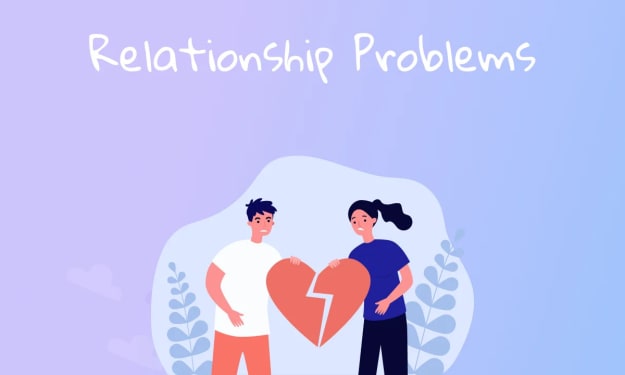
RELATIONSHIP EXPERT IN NEW ZEALAND
In the picturesque landscapes of New Zealand, where rolling hills meet serene beaches, relationships are as diverse and dynamic as the scenery. Whether you're a native Kiwi or a newcomer, the journey of love can be as challenging as it is rewarding. To navigate the complexities of modern relationships, many individuals and couples turn to relationship experts. These professionals provide valuable insights and guidance, helping people build and maintain healthy, fulfilling partnerships. Let's delve into the world of relationship expert in New Zealand and explore some key insights shared by leading professionals in the field.
By aditya singh2 years ago in Lifehack
BLACK MEGICIAN IN NEW ZEALAND
New Zealand, with its rich tapestry of indigenous culture and breathtaking landscapes, has always been a land of mystery and enchantment. This unique blend of tradition and natural beauty makes it a fertile ground for stories of magic and the supernatural. Among these, the figure of the Black Magician holds a particularly intriguing place, blending elements of Māori mythology, colonial history, and modern interpretations.
By aditya singh2 years ago in Lifehack
SPIRITUAL HEALING IN AUSTRALIA
Spiritual healing in Australia is a rich and diverse practice deeply embedded in the country's multicultural landscape. This holistic approach to health focuses on the connection between the mind, body, and spirit, offering an alternative to conventional medical treatments. With roots in Aboriginal traditions, as well as influences from various global spiritual practices, spiritual healing in Australia provides a unique and profound pathway to wellness and inner peace.
By aditya singh2 years ago in Lifehack
DIVORCE ISSUE IN NEW ZEALAND
The legal process for DIVORCE ISSUE IN NEW ZEALAND is relatively straightforward compared to many other jurisdictions. The key requirement for obtaining a divorce is that the couple must have been living apart for at least two years. This separation period is mandatory and must be continuous, though the law does allow for brief reconciliations of up to three months without resetting the separation clock.
By aditya singh2 years ago in Lifehack
DIVORCE ISSUE IN OMAN
Divorce, a challenging and often emotionally taxing process, has become a significant social issue in Oman. The complexity of divorce issue in Oman encompasses legal, cultural, and societal dimensions, each contributing to the increasing divorce rates and the resultant consequences on families and communities. Understanding the underlying causes, legal framework, and societal implications is crucial for addressing this pressing issue.
By aditya singh2 years ago in Lifehack
SPIRITUAL HEALING IN NEW ZEALAND
Central to New Zealand's spiritual healing landscape is the Maori culture, which has a deeply rooted connection to the land, or "whenua," and the spiritual world. Maori spirituality is intrinsically linked to nature, with beliefs that every natural element possesses a spiritual essence or "wairua." This connection to the natural world is evident in practices such as "karakia" (prayers), which are used to communicate with spiritual entities, seek guidance, and offer protection.
By aditya singh2 years ago in Lifehack
The Ultimate Guide to Digital Marketing
Introduction In today's digital age, marketing has evolved far beyond traditional methods. Digital marketing, a dynamic and ever-changing field, requires a strategic approach to reach and engage the right audience effectively. This comprehensive guide will walk you through the essential aspects of digital marketing, offering valuable insights and actionable tips to elevate your online presence.
By Derrick Juma2 years ago in Lifehack
Understanding Cancer
## Understanding Cancer: A Comprehensive Guide Cancer is one of the most daunting diagnoses a person can receive. This complex group of diseases involves the uncontrolled division of abnormal cells in the body, which can invade nearby tissues and spread to other parts of the body. In this blog, we aim to provide an in-depth understanding of cancer, its types, symptoms, treatment options, and preventive measures. ### What is Cancer? Cancer is a broad term for a collection of related diseases. In all types of cancer, some of the body’s cells begin to divide without stopping and spread into surrounding tissues. Normally, human cells grow and divide to form new cells as the body needs them. When cells grow old or become damaged, they die, and new cells take their place. However, when cancer develops, this orderly process breaks down. Cells become more abnormal, old or damaged cells survive when they should die, and new cells form when they are not needed. These extra cells can divide without stopping and may form growths called tumors. ### Types of Cancer Cancer can originate almost anywhere in the body, which is made up of trillions of cells. Here are some common types: - **Carcinomas**: Cancers that begin in the skin or the tissues that line or cover internal organs. - **Sarcomas**: Cancers that begin in the bone, cartilage, fat, muscle, blood vessels, or other connective or supportive tissues. - **Leukemia**: Cancers that begin in the blood-forming tissue of the bone marrow. - **Lymphomas and Myelomas**: Cancers that begin in the cells of the immune system. - **Central Nervous System Cancers**: Cancers that begin in the tissues of the brain and spinal cord. ### Symptoms of Cancer Cancer symptoms vary depending on the type, but there are several common signs to be aware of: - Unexplained weight loss - Persistent fatigue - Pain that does not go away - Skin changes, such as yellowing, darkening, or redness - Changes in bowel or bladder habits - Persistent cough or trouble breathing - Difficulty swallowing ### Diagnosis and Staging Diagnosing cancer typically involves several steps: 1. **Medical History and Physical Exam**: The doctor will ask about your medical history and perform a physical exam. 2. **Laboratory Tests**: Tests of blood, urine, or other body fluids to detect abnormalities. 3. **Imaging Tests**: X-rays, CT scans, MRI, PET scans, and ultrasounds to see the inside of your body. 4. **Biopsy**: Removing a small sample of tissue for examination under a microscope. Staging describes the severity of cancer based on the size and/or extent of the original tumor and whether or not cancer has spread in the body. Understanding the stage of cancer helps doctors plan the best treatment. ### Treatment Options Cancer treatment varies depending on the type and stage of cancer. Common treatments include: - **Surgery**: Removing the cancerous tissue. - **Radiation Therapy**: Using high doses of radiation to kill cancer cells. - **Chemotherapy**: Using drugs to kill cancer cells or stop their growth. - **Immunotherapy**: Helping your immune system fight cancer. - **Targeted Therapy**: Targeting the changes in cancer cells that help them grow, divide, and spread. - **Hormone Therapy**: Removing or blocking hormones that fuel certain cancers. ### Prevention and Early Detection While not all cancers can be prevented, there are several measures you can take to reduce your risk: - **Lifestyle Changes**: Maintain a healthy diet, exercise regularly, avoid tobacco, and limit alcohol. - **Regular Screenings**: Early detection can save lives. Regular screenings for breast, cervical, colon, and skin cancer can help detect cancer early. - **Vaccinations**: Some cancers, like cervical cancer, can be prevented with vaccines (e.g., HPV vaccine). ### Conclusion Cancer is a challenging and complex disease, but advancements in medical research are continuously improving the ways we diagnose, treat, and prevent it. Understanding the basics of cancer can empower you to make informed decisions about your health and seek timely medical advice. Stay informed, stay proactive, and remember that early detection is key in the fight against cancer. For more detailed information and support, always consult healthcare professionals and trusted medical resources. ### Meta Description Learn about the types, symptoms, diagnosis, treatment options, and preventive measures for cancer. Stay informed and proactive with our comprehensive guide on understanding cancer.
By Tresha Kevin2 years ago in Lifehack
Foods That May Increase Your Cancer Risk:
## Foods That May Increase Your Cancer Risk: What to Avoid and Why While many factors contribute to cancer, diet plays a significant role. Certain foods can increase the risk of developing cancer, and understanding these can help you make healthier dietary choices. This blog delves into the foods linked to cancer risk, explaining the science behind these connections and offering alternatives for a healthier lifestyle. ### Processed Meats **Processed meats**, such as bacon, sausages, hot dogs, and deli meats, have been classified as Group 1 carcinogens by the World Health Organization (WHO). This means there is strong evidence that processed meats can cause cancer, particularly colorectal cancer. **Why are processed meats risky?** - **Nitrates and Nitrites**: These chemicals, used to preserve processed meats, can convert into carcinogenic compounds in the body. - **High-Temperature Cooking**: Cooking methods like grilling or frying can produce harmful chemicals called heterocyclic amines (HCAs) and polycyclic aromatic hydrocarbons (PAHs). **Healthier Alternatives**: Opt for fresh, unprocessed meats, or consider plant-based protein sources like beans, lentils, and tofu. ### Red Meat Red meats, including beef, pork, and lamb, have been linked to an increased risk of colorectal cancer. The International Agency for Research on Cancer (IARC) classifies red meat as a probable carcinogen (Group 2A). **Why is red meat risky?** - **HCAs and PAHs**: Similar to processed meats, cooking red meat at high temperatures can produce HCAs and PAHs. - **Heme Iron**: The type of iron found in red meat can damage the lining of the colon, potentially leading to cancer. **Healthier Alternatives**: Choose lean cuts of meat, reduce portion sizes, and incorporate more fish, poultry, and plant-based proteins into your diet. ### Sugary Drinks and Foods High consumption of sugary drinks and foods is linked to obesity, which is a known risk factor for several types of cancer, including breast, colorectal, and endometrial cancer. **Why are sugary drinks and foods risky?** - **Obesity**: Excess body fat can lead to chronic inflammation, hormone imbalances, and insulin resistance, all of which can contribute to cancer development. - **Blood Sugar Spikes**: High sugar intake can cause rapid spikes in blood sugar and insulin levels, potentially promoting cancer cell growth. **Healthier Alternatives**: Drink water, herbal teas, or unsweetened beverages. Choose whole fruits instead of sugary snacks and desserts. ### Alcohol Alcohol consumption is a well-established risk factor for several types of cancer, including breast, liver, mouth, throat, and esophageal cancer. The risk increases with the amount of alcohol consumed. **Why is alcohol risky?** - **Acetaldehyde**: When the body processes alcohol, it converts it into acetaldehyde, a toxic chemical that can damage DNA and proteins. - **Oxidative Stress**: Alcohol metabolism can lead to the production of reactive oxygen species, which cause oxidative stress and damage cells. **Healthier Alternatives**: Limit alcohol consumption to no more than one drink per day for women and two drinks per day for men. Consider non-alcoholic beverages or mocktails as alternatives. ### Fried and Fast Foods Fried and fast foods are typically high in unhealthy fats, calories, and additives, which can contribute to cancer risk. These foods are often linked to obesity and other health issues. **Why are fried and fast foods risky?** - **Trans Fats**: Found in many fried and fast foods, trans fats can promote inflammation and increase cancer risk. - **Acrylamide**: A chemical formed during high-temperature cooking of certain foods, acrylamide is classified as a probable human carcinogen. **Healthier Alternatives**: Prepare meals at home using healthier cooking methods like baking, steaming, or grilling. Choose whole, unprocessed foods over fast food options. ### Salt-Preserved Foods Foods preserved with salt, such as pickled vegetables and salted fish, are associated with an increased risk of stomach cancer. **Why are salt-preserved foods risky?** - **Nitrosamines**: Salt-preserved foods can contain nitrosamines, which are carcinogenic. - **Stomach Lining Damage**: High salt intake can damage the stomach lining and increase the risk of infection by Helicobacter pylori, a bacteria linked to stomach cancer. **Healthier Alternatives**: Use fresh or frozen vegetables and fish instead of salted versions. Flavor foods with herbs and spices rather than excessive salt. ### Conclusion Understanding which foods may increase your cancer risk is an essential step towards a healthier lifestyle. By making informed dietary choices, you can reduce your risk of cancer and improve your overall health. Focus on consuming a balanced diet rich in fruits, vegetables, whole grains, and lean proteins. Remember, moderation is key, and making small changes can have a significant impact on your long-term health. ### Meta Description Learn about foods that may increase your cancer risk, including processed meats, red meat, sugary drinks, alcohol, fried foods, and salt-preserved foods. Discover healthier alternatives for a balanced diet and reduced cancer risk.
By Tresha Kevin2 years ago in Lifehack
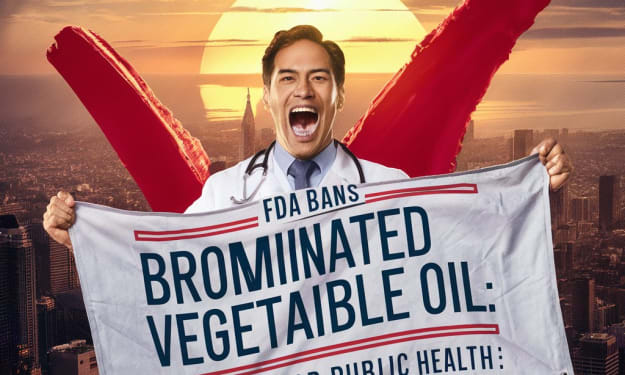
FDA Finally Bans Brominated Vegetable Oil: A Victory for Public Health
FDA Finally Bans Brominated Vegetable Oil: A Victory for Public Health The Food and Drug Administration (FDA) has officially banned the use of brominated vegetable oil (BVO) in food and beverages, marking a significant victory for public health advocates. This long-awaited decision comes after years of mounting evidence regarding the potential health risks associated with BVO, a chemical used as an emulsifier in certain soft drinks and other products. In this article, we delve into the background of BVO, the reasons behind its ban, and the implications for consumers and manufacturers alike.
By Muhammad Talha2 years ago in Lifehack
The Economy at a Glance
The fourth Industrial Revolution is reshaping economies and giving rise to innovative business models. AI, 3D printing, robotics, and big data are driving significant changes across various sectors. This wave of transformation has the potential to be more disruptive than its predecessors, impacting not just industries but also services and paving the way for new business models. Artificial intelligence is revolutionizing both work and daily life, altering jobs, decision-making processes, and analytical tasks traditionally carried out by humans. The advantages of AI range from autonomous vehicles to accelerated drug discovery and medical breakthroughs. However, the rise of technology may lead to job displacement as machines take over tasks previously performed by humans, posing challenges for society and the economy. Cutting-edge technologies like algorithms that interpret body language and flawless machine translation could influence job markets and prolong recovery periods following economic downturns.
By Isaac Ekow Anyidoho2 years ago in Lifehack