health
Health hacks for optimal performance; discover simple suggestions and habits to improve your life, body, mind and spirit.
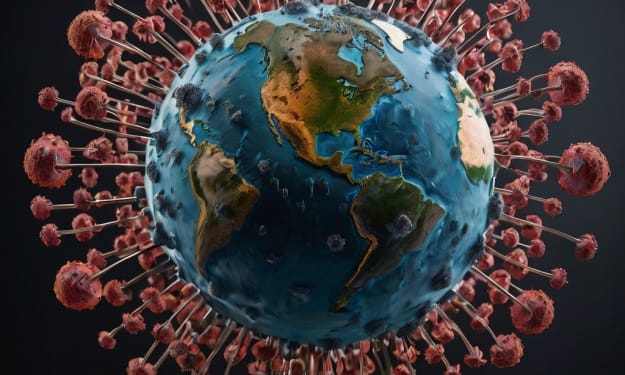
"Navigating the Pandemic: The Global Impact and Response to Coronavirus"
The Spread and Beginning Reaction: The novel Covid was first distinguished in Wuhan, China, in December 2019. In practically no time, it had spread to various nations, provoking the World Wellbeing Association (WHO) to pronounce a General Wellbeing Crisis of Global Worry on January 30, 2020. By Walk 11, 2020, Coronavirus was delegated a pandemic. The underlying reaction changed essentially between nations. A few countries, similar to South Korea and Taiwan, executed thorough testing, contact following, and quarantine gauges right off the bat, effectively controling the infection's spread. Others, for example, Italy and the US, confronted overpowered medical services frameworks and high death rates because of deferred or deficient reactions. Wellbeing Effect: The wellbeing effect of Coronavirus has been significant. By July 2024, north of 700 million cases and in excess of 6 million passings have been accounted for around the world. The infection influences people in an unexpected way, with side effects going from gentle respiratory issues to extreme pneumonia and multi-organ disappointment. The old and those with prior conditions are especially helpless, albeit serious cases have happened in more youthful, already solid people also. The pandemic has likewise featured differences in medical care access and quality, with minimized networks encountering higher contamination and death rates. Medical care frameworks all over the planet were put under enormous strain, prompting deficiencies of fundamental supplies, including individual defensive gear (PPE), ventilators, and clinical staff. Medical clinics needed to adjust quickly, changing over broad wards into escalated care units (ICUs) and executing telemedicine to lessen face to face discussions. The psychological well-being influence has likewise been critical, with expanded paces of nervousness, sadness, and burnout among medical services laborers and everyone. Monetary Effect: The monetary aftermath from the Covid pandemic has been serious and far reaching. Lockdowns, social separating measures, and travel limitations prompted a sharp decrease in monetary action. Numerous organizations, especially in the accommodation, the travel industry, and retail areas, confronted huge misfortunes or had to for all time close. Worldwide stock chains were disturbed, causing deficiencies of products and postpones in assembling. Legislatures carried out different measures to relieve the financial effect, including boost bundles, joblessness advantages, and business awards. National banks brought down loan fees and participated in enormous scope resource buys to balance out monetary business sectors. Regardless of these endeavors, the worldwide economy shrunk by 3.5% in 2020, as per the Global Financial Asset (IMF). While certain nations have since seen a recuperation, the financial scars of the pandemic stay, with expanded public obligation and relentless joblessness in numerous districts. Social and Social Effect: The Covid pandemic has significantly impacted social and social life. Lockdowns and social removing estimates upset everyday schedules, prompting confinement and dejection for some people. Remote work and internet tutoring turned into the standard, changing the manner in which individuals cooperate and learn. The conclusion of social establishments, like theaters, galleries, and show corridors, alongside the wiping out of open occasions, has essentially affected human expression and amusement areas. Notwithstanding, the pandemic likewise prodded development and versatility. Virtual occasions, real time features, and online stages encountered a flood in ubiquity, giving elective ways of peopling to interface and lock in. Networks met up to help each other, with drives like shared help gatherings, neighborhood encouraging groups of people, and good cause drives turning out to be more common. Logical and Innovative Reaction: Established researchers assembled rapidly to figure out the infection and foster compelling medicines and immunizations. The worldwide coordinated effort was extraordinary, with specialists sharing information, leading clinical preliminaries, and distributing discoveries at a sped up pace. Toward the finish of 2020, a few immunizations had gotten crisis use approval, and mass inoculation crusades started around the world. The turn of events and dissemination of immunizations were a demonstration of the capacities of current science and innovation. Headways in diagnostics and therapeutics likewise assumed a vital part in dealing with the pandemic. Quick antigen tests, polymerase chain response (PCR) tests, and counter acting agent tests opened up, helping with the discovery and observing of Coronavirus cases. Medicines, like antiviral medications, monoclonal antibodies, and strong consideration conventions, worked on persistent results and diminished death rates. Strategy and Administration: The pandemic featured the significance of powerful administration and global collaboration. Nations that executed opportune and proof based approaches, discussed straightforwardly with people in general, and adjusted to changing conditions fared better in controlling the infection. The job of general wellbeing organizations, for example, the WHO, the Communities for Infectious prevention and Counteraction (CDC), and public wellbeing divisions, was basic in giving direction and planning reactions. Global associations and coalitions, for example, the Unified Countries and the European Association, assumed an essential part in working with asset sharing and guaranteeing impartial admittance to immunizations and clinical supplies. Nonetheless, the pandemic likewise uncovered shortcomings in worldwide wellbeing administration, with cases of antibody patriotism, store network disturbances, and unjust circulation of assets. Illustrations Learned: The Covid pandemic has granted a few critical illustrations for what's to come. The significance of readiness, first and foremost, couldn't possibly be more significant. Putting resources into strong general wellbeing framework, reconnaissance frameworks, and quick reaction instruments is fundamental to moderate the effect of future pandemics. Furthermore, worldwide participation and fortitude are critical. Sharing data, assets, and aptitude across lines can speed up the advancement of arrangements and guarantee more fair results. Moreover, the pandemic has highlighted the requirement for an all encompassing way to deal with wellbeing, perceiving the interconnections between human, creature, and natural wellbeing. The idea of One Wellbeing, which elevates cooperation across areas to address wellbeing dangers, is more applicable than any other time. Ultimately, the significance of science and confidence in open organizations has been built up. Clear, straightforward correspondence and proof based navigation are essential to keeping up with public trust and consistence with wellbeing measures. End: The Covid pandemic has been a characterizing occasion of the 21st hundred years, reshaping social orders and economies in significant ways. While the difficulties have been enormous, the emergency has additionally shown the flexibility and versatility of people, networks, and countries. As the world pushes ahead, the illustrations gained from Coronavirus will be instrumental in building a more ready, helpful, and evenhanded worldwide wellbeing scene. The excursion through and past the pandemic is a demonstration of human inventiveness, fortitude, and the getting through soul of trust.
By Habibur Rahman Roni2 years ago in Lifehack
How Exercise Improves Your Relationship with Food
We've all been there - sprawled on the couch, binge-watching our favorite show, with a bag of chips in one hand and a soda in the other. It's comfortable, it's enjoyable, but let's face it - it's not doing our bodies any favors.
By Arif Chowdhury2 years ago in Lifehack
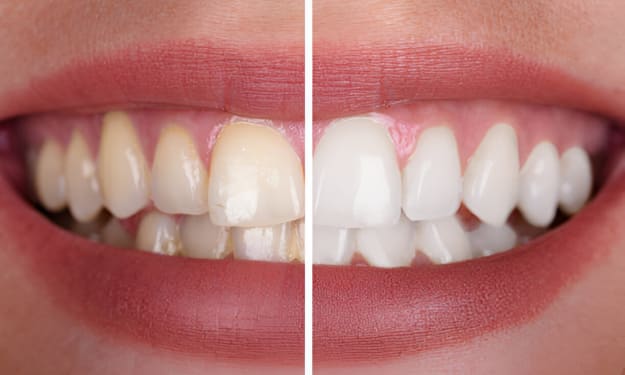
10 Things to Avoid After Whitening Your Teeth in Phoenix
Whitening your teeth can significantly enhance your smile, boosting your confidence and overall appearance. However, maintaining that bright, fresh look requires some care and attention, especially in the vibrant climate of Phoenix. The intense sun and dry heat can contribute to dehydration, which in turn affects your oral health. This makes it even more crucial to follow the right steps post-whitening. Whether you've had your teeth professionally whitened by a dentist in Phoenix AZ or used an at-home kit, knowing what to avoid can help you prolong your results. Here are ten essential things to avoid after whitening your teeth to ensure your results last as long as possible.
By Modest Dentistry2 years ago in Lifehack
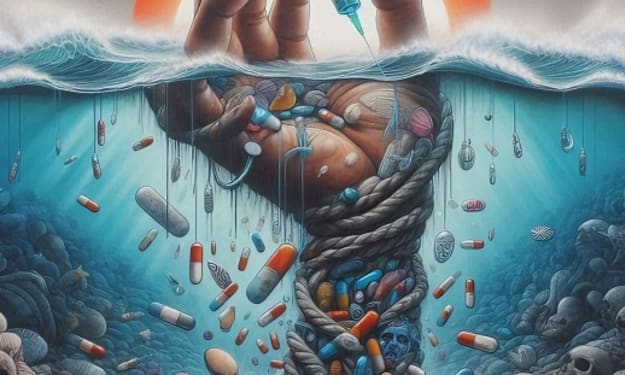
Rising Tide: The Escalating Crisis of Drug Overdose in Our Communities
The Extent of the Emergency The size of the medication glut issue is faltering. As indicated by the World Wellbeing Association (WHO), almost 500,000 passings every year can be credited to tranquilize use, with glut being a huge supporter. In the US alone, the Places for Infectious prevention and Counteraction (CDC) detailed north of 93,000 medication glut passings in 2020, a record high and a distinct increment from earlier years. This flood has been energized basically by engineered narcotics like fentanyl, which are essentially more powerful than heroin and remedy narcotics. Factors Driving the Scourge A few variables add to the rising tide of medication gluts: 1. Synthetic Opioids: The presentation of manufactured narcotics, especially fentanyl and its analogs, has radically expanded the lethality of medication use. Fentanyl is assessed to be 50 to multiple times more strong than morphine, making even a limited quantity possibly deadly. These substances are frequently blended in with different medications, at times without the client's information, prompting unintentional excesses. 2. Prescription Medication Misuse: The far reaching accessibility of solution narcotics has likewise assumed a basic part in the pandemic. At first endorsed for torment the executives, these prescriptions are many times abused, prompting reliance and fixation. At the point when remedies become inaccessible, people might go to illegal medications, which are much of the time more hazardous. 3. Mental Wellbeing Issues: Emotional well-being problems like sadness, nervousness, and post-awful pressure problem (PTSD) are oftentimes connected to substance misuse. People with untreated or inadequately oversaw psychological well-being conditions might involve drugs as a survival strategy, expanding their gamble of excess. 4. Socio-monetary Factors: Neediness, joblessness, and absence of admittance to medical care compound the gamble of substance misuse and go too far. These financial difficulties can prompt expanded pressure and an absence of emotionally supportive networks, driving people towards drug use. Influence on Networks The outcomes of the medication glut pestilence stretch out past the people straightforwardly impacted, undulating through families, networks, and economies. 1. Families: The passing of a friend or family member to a medication glut is a horrible mishap that leaves enduring scars on families. Kids who lose guardians to go too far are especially powerless, frequently encountering close to home, conduct, and scholastic difficulties. 2. Healthcare System: The flood in glut cases puts tremendous strain on medical services frameworks. Crisis divisions, specifically, face expanding interest for administrations connected with glut treatment, stressing assets and medical care experts. 3. Economy: The monetary effect of medication gluts is significant. Lost efficiency, medical care costs, and the weight on friendly administrations add to critical monetary strain. The CDC assesses that the financial expense of the narcotic emergency alone is more than $78 billion yearly in the US. Tending to the Emergency Handling the medication glut emergency requires a multi-layered approach that tends to both the organic market sides of the situation, alongside exhaustive help for impacted people and networks. 1. Prevention and Education: Protection measures are significant in lessening the occurrence of medication gluts. General wellbeing efforts pointed toward bringing issues to light about the risks of medication abuse, safe recommending rehearses, and the dangers related with engineered narcotics can assist with checking new instances of dependence. Schools and local area associations assume a fundamental part in dispersing this data and encouraging a culture of counteraction. 2. Harm Reduction: Mischief decrease procedures, for example, needle trade programs and directed infusion locales, plan to limit the adverse results of medication use without essentially requiring restraint. These projects give a protected climate to tranquilize use, lessening the gamble of excess and the spread of irresistible sicknesses. Moreover, the circulation of naloxone, a drug that can quickly switch a narcotic excess, has saved innumerable lives and ought to be generally open. 3. Treatment and Recovery: Growing admittance to enslavement treatment administrations is fundamental for tending to the main drivers of medication abuse. This incorporates expanding the accessibility of drug helped treatment (MAT) for narcotic use problem, which consolidates meds with advising and social treatments. Long haul recuperation support, including emotional wellness administrations, lodging, and work help, is likewise basic for assisting people with revamping their lives. 4. Policy and Regulation: Successful strategy measures are expected to control the stockpile of unlawful medications and guarantee the capable recommending of narcotics. This remembers getting serious for the unlawful creation and appropriation of manufactured narcotics, carrying out professionally prescribed drug checking programs, and advancing the utilization of non-narcotic agony the executives options. 5. Community Support: Building solid, strong networks is a critical part of tending to the excess emergency. Local area based associations, peer encouraging groups of people, and religious gatherings can give fundamental assets and a feeling of having a place for people battling with enslavement. These gatherings frequently offer a scope of administrations, from directing and mentorship to work preparing and lodging help. The Job of Innovation Arising advancements hold guarantee in the battle against drug gluts. For example, information investigation and computerized reasoning (simulated intelligence) can be utilized to distinguish designs and anticipate glut areas of interest, empowering designated intercessions. Versatile wellbeing applications can furnish people with admittance to assets, encouraging groups of people, and crisis administrations readily available. Moreover, progressions in clinical exploration might prompt the advancement of new medicines for enslavement and go too far. End The medication glut plague is a perplexing and complex emergency that requests a complete and facilitated reaction. By tending to the underlying drivers of substance misuse, carrying out compelling damage decrease systems, extending admittance to treatment and recuperation administrations, establishing steady approaches, and utilizing innovation, we can reverse the situation against this staggering pestilence. An aggregate liability requires the cooperation of people, networks, medical services suppliers, and policymakers. Together, we can save lives and assemble better, stronger networks.
By Habibur Rahman Roni2 years ago in Lifehack
Nature's Gym: The Benefits of Outdoor Exercise
In our modern world of high-tech fitness equipment and trendy boutique gyms, it's easy to forget that nature has provided us with the ultimate workout space - the great outdoors. From lush forests to sandy beaches, from mountain trails to local parks, the natural world offers endless opportunities for physical activity.
By Arif Chowdhury2 years ago in Lifehack
What does death feels like
There is one thing that each living individual will insight: biting the dust. This peculiarity is so recognizable yet something we have hardly any familiarity with. The sensation of death is an idea that has been being referred to starting from the start of humankind and one that cutting edge science is consistently attempting to find. So what does it seem like to pass on abroad? To start with, we really want to investigate what demise truly is. Biting the dust is the finish of all fundamental capabilities inside the human body, where our pulse, cerebrum action, and breathing all halted. Everybody encounters demise in an unexpected way. What we cannot deny is that once you're dead, your life in this body is over perpetually, yet is this generally the situation? You've most likely caught wind of those individuals who have passed on and reawakened, and when they conscious, they say they saw a reason to have some hope or that they drifted over their bodies, watching the specialists wildly work to keep them alive. People are entranced at this point scared by the idea of death. A great deal of that interest comes from the way that a large portion of us can't understand its whole; it's the feeling of dread toward the obscure, as we don't have the foggiest idea how upsetting or difficult it will accompany the assistance of current science. We are proceeding to foster a more inside and out viewpoint on what it could feel like to bite the dust. There are numerous ways individuals can pass on, and each individual will kick the bucket in an unexpected way. Each individual will have an alternate encounter. You might be adequately unfortunate to have diabetes, disease, or even an inadvertent mishap. Albeit every one of these causes is unique, they all share something for all intents and purpose: a heart that quits thumping. A human heart is central to remain alive. The key guideline might make sense of why the most widely recognized reason for death comes from the heart neglecting to siphon blood around the body. Measurements show that coronary illness is the main source of death around the world, with an expected 30 percent of individuals passing on from related sicknesses. Coronary illness alludes to any condition influencing the heart, for example, a respiratory failure or a stroke. The heart is a muscle about the size of your clench hand that siphons blood around your body to keep you alive, yet blood can't be siphoned on the off chance that there's a development of plaque causing restricted or obstructed veins. Generally speaking, this is known as a coronary episode. Albeit a cardiovascular failure might appear to cause passing quickly, normal admonition signs will generally seem a couple of days or even a long time before a coronary episode. May set off electrical irregularities that can prompt an unexpected heart failure, and without quick CPR, you would be dead inside a couple of moments. A great many people could do without to consider it, yet close to the more ordinary approach to kicking the bucket with the friends and family around you, there are really anguishing and difficult ways of dieing, for example, consuming alive and suffocating. Envision you're remaining in a seething fire. The aggravation you feel toward the beginning is by a long shot the best, as the discharge gradually fries your nerves. Your muscles and mind capabilities begin to debilitate. This keeps on deteriorating until you fall oblivious from the absence of oxygen your body is getting. In any case, by this point, you are either oblivious, going to pass on, or currently dead. The aggravation alone would cause a deficiency of cognizance immediately. Consider the possibility that it seemed like you were consuming. Yet, from within, individuals have portrayed the sensation of breathing in water as a copying sensation inside their chest. It is a human sense not to inhale submerged, yet when you suffocate and intervene pressure, frenzy and inconvenience are brought about by an absence of oxygen. Alarm from running out of air is depleting, which rapidly makes you run out of energy and hail the water. The water then floods the lungs and closures any exchange of oxygen into the blood. It's an intriguing and unwanted approach to passing on. In occasions of a sudden reason for death, adrenaline assumes a major part in the actual Sensations felt by the individual set forth plainly quicker passings are frequently less excruciating; be that as it may, when the reason for death is more progressive, a cycle called dynamic kicking the bucket happens. At the point when a passing happens more than a couple of hours or days, your faculties begin to blur in a specific request. Craving and thirst are the primary faculties to go. Sooner or later, you begin to lose the capacity to talk, trailed by the capacity to see. Hearing and contact are ordinarily the last faculties to go. In any case, logical scientists have proof that certain individuals might have the option to hear while in a lethargic state. In states like being in a trance like state or toward the finish of your life, information shows that somewhat recently before death, kicking the bucket synapses can answer sound even in an oblivious state, so does that mean your cerebrum is as yet dynamic when you're dead? The hour of death is regularly recorded as the second the heart quits thumping. This by and large suggests that the remainder of your body will never again get a blood supply to support the cells of organs, for this situation, the mind, in spite of a few Examinations have shown that your cerebrum actually works even after death, so would you say you are mindful when you're dead? At the point when you bite the dust, you are basically caught inside your own body with synapses that are as yet dynamic, albeit this may just last a couple of moments. It's odd to believe that your body might bite the dust, yet not your mind. At the point when the heart quits siphoning, there is an absence of blood stream to the mind, which causes shivering. Sensations in the body, tipsiness, and a sensation of outrageous hot or cold temperatures all while your vision will begin to go and consciousness of your general surroundings will lessen. After some time, you'll be in an oblivious state and will ultimately bite the dust. One out of five individuals whose hearts quit thumping will be resuscitated. These are frequently alluded to as brushes with death. A brush with death is a surprising episode that happens near the precarious edge of death and afterward gets transferred by the individual when they recuperate. These encounters recorded will more often than not be things they have found in burrows prompting a splendid light, profound experiences with the ocean, these friends and family, and different things that appear to be otherworldly according to a logical viewpoint. These things are not really undeniable, yet how is it that they could be? All things considered, they are just something that that individual themselves can observer. In 1981, 28-year-old Scott Drummond went on a skiing outing to Utah with a couple of his companions. At the point when he was lining for the lift, out of nowhere, a woman skiing down the slant ran into him, barely caring about it. He kept on skiing until the end of the day. At the point when he was going home, he removed his glove and saw that his thumb had been totally torn out of its attachment. He realized this would require some clinical consideration, so he was taken to the closest clinic, where he was booked for routine medical procedure on his hand. While he was lying in the working theater, he was completely mindful of his environmental factors. Scott heard a medical caretaker communicating worry as it was her most memorable time helping conduct the medical procedure. During the activity, something turned out badly, and the following thing he knew, he was over his own body, watching the frenzy unfurl. It was only after this point that he understood he had passed on. He then, at that point, depicted an encounter strolling calmly through a field of long grass with a major white cloud in front of him. As he strolled nearer to the cloud, out of nowhere he was watching a video of his life, from the day he was brought into the world to his snapshot of death. As of now, he stirred. He had been clinically dead for 20 minutes and reawakened. He noticed that his apprehension about death evaporated after this experience. Brushes with death are the nearest thing we need to understanding what it really feels like to pass on. We're actually looking at whatever point and anyway we can to find the response, whether that is through logical exploration or through standing by listening to individuals like Scott describe their direct involvement in death and what it seems like. Demise is an actual interaction that changes over an unusual period of time. At the point when you kick the bucket, you develop more fragile and more fragile, you become sluggish, and you lose your hunger. At the point when you don't eat or drink, you don't experience the ill effects of sensations of thirst or appetite the manner in which any solid individual would. heart and significant organs start to fizzle, and your mind closes down. Yet, what really happens when your mind closes down when you're alive? Your synapses are continually electrically charged, and when you pass on, these synapses burn out because of an absence of oxygen. With no oxygen, there is no energy, and with no energy, your body passes on right now of death. There is an eruption of energy delivered by cells that endures somewhere in the range of 30 and 180 seconds. The mind conveys a message to the heart, making the heart beat conflictingly and at last making harm the organ. So regardless of whether you could recuperate from the snapshot of death, your heart wouldn't work and your entire body closes down. Yet, recall, everybody bites the dust in an unexpected way, and it's beyond difficult to portray what passing feels like for every person. Yet, what we cannot deny is that anyway genuinely agonizing it will be, it fluctuates. There are a few passings where torment is inescapable, and there is some place a patient simply goes downhill and disappears with less misery. Having a sickness related with your aggravation doesn't mean you'll essentially have a difficult demise. The vast majority who pass on from serious sicknesses will more often than not need drug, and as a rule with that prescription, it works to not forestall demise however to lighten the side effects, assisting with decreasing agony and furnishing them with a serene and agreeable demise. at the point when you become too frail to even consider hacking or swallow you might see a clamor beginning to create at the rear of your throat the commotion can sound profoundly upsetting and it might seem like the patient is enduring however supposedly the individual passing on isn't enduring by any means as a matter of fact clinical scientists accept that this peculiarity which is generally called a final breath presumably damages or causes no distress at all it is the human instinct to scrutinize the obscure and to settle the riddles of Life interest and craving for investigation.
By Nwachukwu gift2 years ago in Lifehack
Chair Fitness: Exercises for Staying Active at Any Age
Staying active is important at every stage of life, but as we age or face mobility challenges, traditional exercises might seem daunting or even impossible. Enter chair fitness - a versatile, accessible way to keep moving, no matter your age or physical condition.
By Arif Chowdhury2 years ago in Lifehack
banana bread recipe the best
A simple and moist banana bread recipe that has toasted walnuts, raisins with a tangy sweetness, and lots of bananas. Having received hundreds of 5-star reviews, this is one of our favorite recipes for overripe bananas.
By Healthy Haven: Recipes and Wellness Tips2 years ago in Lifehack
Boost Your Health: Simple Ways to Increase Your Daily Fibre Intake
Fibre might not be the trendiest nutrient, but it's undeniably one of the most essential for our overall health. Despite its low profile, fibre boasts a multitude of health benefits, from enhancing digestive health to reducing the risk of chronic diseases. Yet, according to the National Diet and Nutrition Survey (NDNS), more than 90 percent of UK adults fall short of their daily fibre needs. So, how can we bridge this fibre gap in our diets? Let’s dive into the world of fibre and discover why it's vital and how to incorporate more of it into our daily meals.
By Nakang Mashilo2 years ago in Lifehack