health
Health hacks for optimal performance; discover simple suggestions and habits to improve your life, body, mind and spirit.
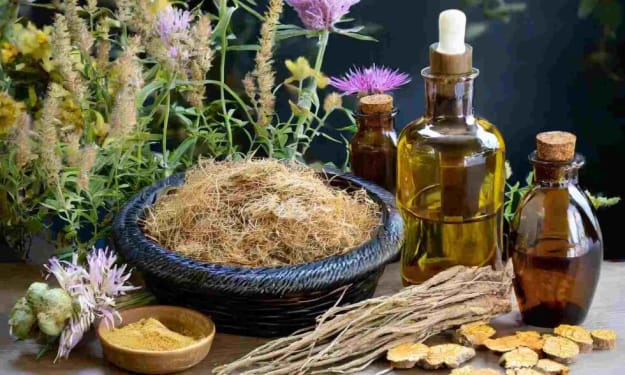
Spikenard Essential Oil: Unleash the Calming Essence
At the heart of spikenard essential oil.bucket, lies one of most mystical and historically relevant oils in world. This deeply aromatic, rich oil has been prized for centuries by different cultures around the world as a calming aid and spiritual talisman. In this post we will look into how it is made, what benefits and uses exist for better health as well as why you should include spikenard oil in your wellness routine.
By Kavya Yadav2 years ago in Lifehack
Less strength or stamina
Decreased strength or stamina can significantly impact daily life, affecting your ability to perform tasks, engage in physical activities, and maintain overall health. This issue can arise from various factors, including aging, lack of physical activity, poor nutrition, stress, or underlying medical conditions. Fortunately, there are several strategies to help improve both strength and stamina. This guide will explore these strategies and provide practical steps to regain and maintain your physical vitality. ### 1. **Identify the Underlying Cause** Understanding the root cause of decreased strength and stamina is crucial in addressing the issue effectively. Some common causes include: - **Aging**: As we age, muscle mass naturally declines in a process known as sarcopenia. This can lead to reduced strength and endurance. - **Sedentary Lifestyle**: Lack of regular physical activity can lead to muscle atrophy and decreased cardiovascular fitness. - **Poor Nutrition**: Inadequate intake of essential nutrients, especially protein, vitamins, and minerals, can affect muscle health and energy levels. - **Chronic Stress**: Prolonged stress can lead to fatigue and reduced stamina by disrupting sleep and hormonal balance. - **Medical Conditions**: Conditions such as anemia, diabetes, thyroid disorders, heart disease, or chronic fatigue syndrome can cause fatigue and reduced physical capacity. - **Medication Side Effects**: Certain medications can cause fatigue and muscle weakness as side effects. ### 2. **Consult a Healthcare Professional** If you’re experiencing a noticeable decline in strength or stamina, it’s important to consult with a healthcare provider. They can help identify any underlying medical conditions that might be contributing to your symptoms. A thorough evaluation may include blood tests, a physical exam, and discussions about your lifestyle, diet, and exercise habits. ### 3. **Improve Your Diet** Nutrition plays a vital role in building strength and stamina. To enhance your diet: - **Increase Protein Intake**: Protein is essential for muscle repair and growth. Include high-quality protein sources like lean meats, fish, eggs, dairy products, beans, and legumes in your meals. - **Incorporate Complex Carbohydrates**: Complex carbs, found in whole grains, fruits, and vegetables, provide sustained energy and fuel for workouts. Avoid simple sugars and processed foods, which can lead to energy crashes. - **Stay Hydrated**: Dehydration can lead to fatigue and reduced stamina. Aim for at least 8 glasses of water a day, more if you are physically active. - **Balance Fats**: Healthy fats from sources like avocados, nuts, seeds, and olive oil are essential for hormone production and energy. - **Consider Supplements**: If your diet lacks certain nutrients, supplements like vitamin D, iron, or omega-3 fatty acids may be beneficial. Consult with a healthcare provider before starting any new supplements. ### 4. **Develop a Regular Exercise Routine** Exercise is crucial for building both strength and stamina. A well-rounded exercise routine should include: - **Strength Training**: Resistance exercises, such as weightlifting, bodyweight exercises (like push-ups, squats, and lunges), or using resistance bands, are vital for building muscle mass and strength. Aim to work all major muscle groups 2-3 times per week. - **Cardiovascular Exercise**: Activities like walking, running, cycling, or swimming help improve cardiovascular health and stamina. Start with moderate-intensity exercise for at least 150 minutes a week, gradually increasing the intensity and duration as your fitness improves. - **Flexibility and Balance**: Incorporate activities like yoga or Pilates to improve flexibility, balance, and prevent injury. - **Consistency is Key**: Progress will come with consistent effort. Set realistic goals, and gradually increase the intensity and duration of your workouts over time. ### 5. **Prioritize Rest and Recovery** Rest and recovery are as important as exercise in building strength and stamina. Without adequate rest, your body cannot repair and strengthen itself. Here’s how to optimize recovery: - **Get Enough Sleep**: Aim for 7-9 hours of quality sleep each night. Sleep is when the body repairs muscles and replenishes energy stores. - **Active Recovery**: Incorporate low-intensity activities like walking, stretching, or light yoga on rest days to promote circulation and recovery without overtaxing the body. - **Listen to Your Body**: If you feel overly fatigued or sore, it’s important to rest. Overtraining can lead to burnout and injury. ### 6. **Manage Stress** Chronic stress can drain your energy and reduce your stamina. To manage stress: - **Practice Relaxation Techniques**: Techniques such as deep breathing, meditation, or progressive muscle relaxation can help reduce stress and improve energy levels. - **Maintain a Healthy Work-Life Balance**: Ensure you’re not overextending yourself at work or in other areas of life. Make time for hobbies, socializing, and relaxation. - **Regular Physical Activity**: Exercise itself is a powerful stress reliever, as it releases endorphins, the body’s natural mood enhancers. ### 7. **Monitor Progress and Adjust as Needed** Improving strength and stamina is a gradual process. Keep track of your progress by: - **Setting Measurable Goals**: Whether it’s increasing the weight you lift, running further, or simply feeling more energetic, having specific goals can keep you motivated. - **Tracking Workouts**: Keep a log of your exercises, including the weights, sets, reps, and durations, to monitor improvements over time. - **Adjusting as Needed**: As your fitness level improves, continue to challenge yourself by increasing the intensity, duration, or variety of your workouts. ### 8. **Seek Support** Having a support system can make a significant difference in staying motivated and on track. Consider: - **Working with a Trainer**: A certified personal trainer can design a program tailored to your needs and help ensure you’re exercising safely and effectively. - **Joining a Group or Class**: Group fitness classes or joining a sports team can add a social element to your exercise routine, making it more enjoyable and sustainable. - **Accountability Partners**: Partnering with a friend or family member can help you stay committed to your fitness goals. ### Conclusion Decreased strength or stamina is a common issue that can be effectively addressed with the right approach. By identifying the underlying cause, improving your diet, developing a consistent exercise routine, prioritizing rest, managing stress, and seeking support, you can gradually rebuild your strength and stamina. Remember that progress takes time and patience, but with consistent effort, you can achieve lasting improvements in your physical health and overall well-being.
By Ashraful Hasan 2 years ago in Lifehack
Discomfort or pain during sex
Experiencing discomfort or pain during sex, medically known as dyspareunia, can be distressing and affect both physical and emotional well-being. It's important to recognize that this is a common issue with various underlying causes, many of which are treatable. Below, we'll explore the potential reasons for pain during sex and discuss steps you can take to address the problem. ### 1. **Identify the Cause** Understanding the root cause of discomfort or pain during sex is the first step toward finding a solution. Some of the most common causes include: - **Physical Causes**: - **Infections**: Urinary tract infections, yeast infections, or sexually transmitted infections (STIs) can cause inflammation and discomfort. - **Hormonal Changes**: Conditions like menopause, breastfeeding, or hormonal imbalances can lead to vaginal dryness and thinning of the vaginal walls, making sex painful. - **Vaginal Tightness**: Vaginal tightness or involuntary contraction of the pelvic floor muscles (vaginismus) can make penetration painful. - **Endometriosis**: This condition, where tissue similar to the lining inside the uterus grows outside of it, can cause deep pain during intercourse. - **Pelvic Inflammatory Disease (PID)**: An infection of the female reproductive organs that can cause chronic pain. - **Cysts or Fibroids**: Growths in the pelvic region can cause pressure and pain during intercourse. - **Emotional and Psychological Causes**: - **Stress and Anxiety**: Mental health plays a significant role in sexual health. Anxiety, stress, and depression can contribute to physical symptoms. - **Trauma**: Past experiences of sexual abuse or trauma can lead to pain during sex. - **Relationship Issues**: Emotional disconnect, lack of trust, or communication problems with a partner can manifest physically during sex. - **Body Image Issues**: Negative feelings about one's body can lead to tension and discomfort during sexual activity. ### 2. **Consult a Healthcare Professional** If you’re experiencing pain during sex, it’s essential to consult a healthcare provider to rule out or diagnose any medical conditions. A gynecologist or a sexual health specialist can conduct a thorough examination, which might include a pelvic exam, ultrasound, or other diagnostic tests to identify physical issues. They can also offer guidance on managing emotional and psychological factors. ### 3. **Treatment Options** Once the underlying cause is identified, treatment can begin. Here are some possible solutions: - **Medical Treatments**: - **Medications**: Antibiotics for infections, hormonal treatments for imbalances, or specific medications for conditions like endometriosis. - **Lubricants and Moisturizers**: Over-the-counter lubricants can help with vaginal dryness. For more persistent dryness, vaginal moisturizers or estrogen creams prescribed by a doctor can be effective. - **Pelvic Floor Therapy**: Physical therapy aimed at relaxing and strengthening the pelvic floor muscles can alleviate pain related to muscle tightness or vaginismus. - **Surgical Intervention**: In some cases, surgery might be necessary to remove cysts, fibroids, or scar tissue. - **Lifestyle and Behavioral Changes**: - **Foreplay and Communication**: Taking more time for arousal and ensuring adequate lubrication can reduce discomfort. Open communication with your partner about what feels good and what doesn’t is crucial. - **Relaxation Techniques**: Practicing relaxation exercises, such as deep breathing or mindfulness, can help reduce anxiety and tension that may be contributing to the pain. - **Exercise and Diet**: Regular exercise and a balanced diet can improve overall physical health, which may positively impact sexual health. - **Psychological Support**: - **Therapy**: Counseling or therapy, particularly sex therapy, can help address emotional or psychological factors contributing to pain. Cognitive-behavioral therapy (CBT) can be particularly effective for anxiety-related sexual dysfunction. - **Support Groups**: Joining a support group can provide comfort and practical advice from others who have experienced similar issues. ### 4. **Long-Term Management** Managing pain during sex may require ongoing effort. Here are some tips for long-term care: - **Regular Medical Check-Ups**: Keeping up with regular gynecological exams can help catch and address any issues early. - **Stay Informed**: Educate yourself about sexual health and changes that occur throughout life, such as menopause. - **Nurture the Relationship**: Invest time in building emotional intimacy with your partner. A strong emotional connection can improve physical intimacy and reduce discomfort. - **Practice Patience**: Healing takes time, whether the issue is physical or emotional. Be patient with yourself and your partner as you work through it together. ### 5. **When to Seek Immediate Help** If the pain during sex is severe, sudden, or accompanied by other symptoms like bleeding, fever, or a foul-smelling discharge, seek medical attention immediately, as these could be signs of a serious condition. ### Conclusion Discomfort or pain during sex is a common issue that many people experience at some point. While it can be distressing, it's important to remember that solutions are available. By identifying the underlying cause, seeking appropriate medical and psychological support, and making lifestyle adjustments, you can work towards a more comfortable and enjoyable sexual experience. Open communication with your partner and healthcare provider is key to addressing this issue effectively.
By Ashraful Hasan 2 years ago in Lifehack
How To Avoid Unexpected Medical Bills
Facing a large, unexpected medical bill can be incredibly stressful, often leading to significant financial hardship, growing debt, and even causing people to avoid essential medical procedures due to cost concerns. The anxiety of dealing with such bills can impact your overall well-being and disrupt your financial stability. I've helped countless individuals navigate these challenges, and I understand how overwhelming and disheartening this situation can be. Fortunately, you can learn from the experiences of my clients! By following these three practical tips, you can effectively prevent unexpected expenses, gain a clearer understanding of your financial obligations, and manage your healthcare costs more efficiently. Implementing these strategies will not only help you stay informed but also enable you to handle medical expenses with greater confidence and ease.
By Sara Closson, BCPA2 years ago in Lifehack
PCOS and Facial Hair: Why Waxing is Your Best Option
Unwanted growth of facial hair is a common issue for women with PCOS. Waxing is an effective method for people suffering from PCOS to control the unwanted growth of hair. Regular waxing treatments can help lower the frequency and thickness of hair regrowth.
By Crybaby Wax2 years ago in Lifehack
Timing of sex for pregnancy
Timing intercourse correctly is crucial for couples trying to conceive. Understanding the biological processes involved, particularly ovulation, can significantly increase the chances of pregnancy. Here's a detailed exploration of the timing of sex in relation to conception, covering key aspects like the ovulation cycle, fertile window, and the role of lifestyle factors.
By Ashraful Hasan 2 years ago in Lifehack
How to Managing the Side Effects of Skin Cancer Treatment
Navigating the journey of skin cancer treatment can be challenging, especially when dealing with side effects that impact your daily life. Learning how to effectively manage these side effects is crucial for maintaining your well-being. In this blog, we provide practical strategies to help you cope with common side effects, ensuring a smoother treatment experience.
By National Skin Cancer Centres2 years ago in Lifehack
Boost Sexual Well-Being and Enjoy Better Sex
## Boost Sexual Well-Being and Enjoy Better Sex Sexual well-being is a fundamental aspect of overall health and happiness. It encompasses physical, emotional, and psychological health, contributing to more fulfilling and enjoyable sexual experiences. Enhancing sexual well-being involves several factors, including communication, education, physical health, and emotional intimacy. Here are some key strategies to boost your sexual well-being and enjoy better sex. ### Prioritize Communication Effective communication is the cornerstone of a healthy sexual relationship. Open and honest discussions about desires, boundaries, and preferences can significantly improve sexual experiences. Here are some tips for fostering better communication: 1. **Discuss Preferences and Boundaries**: Talk openly about what you like and dislike in bed. This helps both partners understand each other’s needs and ensures that both are comfortable and satisfied. 2. **Regular Check-ins**: Periodically check in with your partner about your sexual relationship. Discuss any changes in preferences or address any concerns that may have arisen. 3. **Non-Verbal Communication**: Pay attention to non-verbal cues such as body language and facial expressions. These can provide valuable insights into your partner’s comfort and pleasure levels. ### Prioritize Physical Health Physical health is closely linked to sexual well-being. Maintaining good physical health can enhance sexual performance and enjoyment. Consider the following: 1. **Exercise Regularly**: Regular physical activity improves cardiovascular health, boosts energy levels, and enhances body image, all of which contribute to better sexual experiences. 2. **Healthy Diet**: A balanced diet rich in fruits, vegetables, lean proteins, and whole grains supports overall health and can improve sexual function. Foods rich in antioxidants, such as berries and dark chocolate, may also boost libido. 3. **Stay Hydrated**: Dehydration can lead to fatigue and decreased sexual performance. Drink plenty of water to stay hydrated and maintain energy levels. 4. **Limit Alcohol and Tobacco**: Excessive alcohol consumption and smoking can negatively impact sexual performance and desire. Moderation is key. ### Emotional and Psychological Well-Being Sexual well-being is deeply intertwined with emotional and psychological health. Addressing mental health issues and fostering emotional intimacy can enhance sexual satisfaction. 1. **Manage Stress**: Chronic stress can dampen sexual desire and performance. Practice stress-reducing techniques such as meditation, yoga, or deep-breathing exercises. 2. **Seek Therapy**: If you’re dealing with anxiety, depression, or other mental health issues, seeking therapy can be beneficial. A mental health professional can help you address underlying issues that may be affecting your sexual well-being. 3. **Build Emotional Intimacy**: Strengthening the emotional bond with your partner can enhance sexual satisfaction. Spend quality time together, engage in meaningful conversations, and express affection regularly. ### Educate Yourself Understanding your own body and sexual health is crucial for improving sexual well-being. Education empowers you to make informed decisions and enhances your confidence in bed. 1. **Learn About Sexual Health**: Educate yourself about sexual health topics such as sexually transmitted infections (STIs), contraception, and safe sex practices. This knowledge can help you make safer and more informed choices. 2. **Explore Your Body**: Take time to explore your own body and learn what brings you pleasure. Masturbation is a healthy and natural way to understand your sexual preferences and responses. 3. **Stay Informed**: Keep up-to-date with the latest information on sexual health and wellness. This can include reading books, articles, or attending workshops and seminars. ### Experiment and Play Spontaneity and playfulness can reignite passion and enhance sexual satisfaction. Don’t be afraid to try new things and explore different aspects of your sexuality. 1. **Try New Positions**: Experimenting with different sexual positions can add excitement and variety to your sex life. It can also help you discover new sources of pleasure. 2. **Use Toys and Accessories**: Incorporating sex toys and accessories can enhance pleasure and introduce new sensations. Communicate with your partner about your interest in using toys and explore together. 3. **Role-Playing and Fantasies**: Sharing and acting out fantasies can add a new dimension to your sexual relationship. Role-playing can be a fun and exciting way to explore different aspects of your sexuality. ### Conclusion Boosting sexual well-being is a multifaceted process that involves physical health, emotional intimacy, communication, and education. By prioritizing these aspects, you can enhance your sexual experiences and enjoy a more satisfying and fulfilling sex life. Remember that sexual well-being is an ongoing journey that requires attention and care. With the right approach, you can create a vibrant and healthy sexual relationship that contributes to your overall happiness and well-being.
By Ashraful Hasan 2 years ago in Lifehack
Lubrication is Key to Good Sex: The Unsung Hero of Intimacy
## Lubrication is Key to Good Sex: The Unsung Hero of Intimacy When it comes to having a satisfying and pleasurable sexual experience, many factors come into play: emotional connection, communication, mutual consent, and physical attraction. However, one critical yet often overlooked component is lubrication. Adequate lubrication can make a world of difference, transforming a good sexual encounter into an exceptional one. Understanding the importance of lubrication, its benefits, and how to effectively use it can enhance intimacy and satisfaction for both partners. ### The Role of Lubrication in Sexual Activity Lubrication plays a crucial role in reducing friction during sexual activity. The body naturally produces lubrication, particularly in the vaginal and penile regions, to facilitate smooth and comfortable intercourse. However, natural lubrication isn't always sufficient. Factors such as stress, hormonal changes, medication, and dehydration can affect the body's ability to produce enough lubrication. This is where artificial lubricants come into play. ### Benefits of Using Lubrication 1. **Enhanced Comfort**: One of the primary benefits of using lubrication is enhanced comfort. Adequate lubrication reduces friction, preventing discomfort, irritation, and potential injuries during intercourse. This is especially important for individuals who experience vaginal dryness, a common issue that can arise due to menopause, breastfeeding, or certain medications. 2. **Increased Pleasure**: Lubrication not only makes sex more comfortable but also more pleasurable. It enhances the sensation for both partners, allowing for smoother and more enjoyable movements. This can lead to more intense and satisfying orgasms. 3. **Reduced Risk of Injury**: Insufficient lubrication can lead to micro-tears in the vaginal or anal tissues, increasing the risk of infections and sexually transmitted infections (STIs). By ensuring adequate lubrication, you can protect these sensitive areas and reduce the risk of injury. 4. **Improved Stamina**: Lubrication can help partners engage in longer sessions of sexual activity without experiencing discomfort or fatigue. This can lead to a more fulfilling and explorative sexual experience. 5. **Facilitates Different Sexual Activities**: Lubrication is essential for certain sexual activities, such as anal sex, where the body does not naturally produce lubrication. Using a generous amount of lubricant can make these activities more comfortable and enjoyable. ### Types of Lubricants There are several types of lubricants available, each with its own benefits and drawbacks. Choosing the right one depends on your personal preferences and the type of sexual activity you're engaging in. 1. **Water-Based Lubricants**: These are the most common and versatile lubricants. They are safe to use with condoms and sex toys, easy to clean up, and gentle on the skin. However, they may dry out faster than other types and may require reapplication. 2. **Silicone-Based Lubricants**: Known for their long-lasting properties, silicone-based lubricants are ideal for extended sexual sessions and water-based activities. They are hypoallergenic and provide a silky-smooth texture. However, they can be more difficult to clean and are not recommended for use with silicone sex toys. 3. **Oil-Based Lubricants**: These lubricants provide a thick and long-lasting effect, making them suitable for prolonged activities. However, they can degrade latex condoms and are more likely to cause infections in the vaginal area. They are best used for external activities such as massages. 4. **Hybrid Lubricants**: These are a blend of water-based and silicone-based lubricants, offering the benefits of both. They provide a smooth and long-lasting effect while being easier to clean than pure silicone lubricants. ### How to Use Lubricants Effectively To maximize the benefits of lubrication, it's important to use it correctly. Start by choosing a lubricant that suits your needs and preferences. Apply a generous amount to both partners and any toys or objects involved. Reapply as needed to maintain comfort and pleasure throughout the activity. It's also crucial to communicate with your partner about your needs and preferences regarding lubrication. Open and honest communication can enhance your sexual experience and ensure that both partners are comfortable and satisfied. ### Conclusion Lubrication is a key factor in having good sex. It enhances comfort, increases pleasure, reduces the risk of injury, and allows for longer and more enjoyable sessions. By understanding the different types of lubricants and how to use them effectively, you can significantly improve your sexual experiences. Whether you're dealing with natural dryness or simply want to enhance your intimacy, lubrication is the unsung hero that can make all the difference.
By Ashraful Hasan 2 years ago in Lifehack