health
Health hacks for optimal performance; discover simple suggestions and habits to improve your life, body, mind and spirit.
Blooming Bags of Elder Hollow
The Blooming Bags of Elder Hollow In the sleepy village of Elder Hollow, nestled between silver-tipped hills and moss-covered stone fences, there lived a woman named Clara Thistle. She wasn’t the kind to turn heads or stir gossip—just the kind who waved at every passerby, who left sunflower seeds for finches, and who could coax a smile out of even the most stubborn neighbor with a simple sprig of lavender.
By Gabriela Toneabout a year ago in Lifehack
Is White Meat Really Healthy? Study Reveals Potential Lifespan Risk
Shocking New Findings on White Meat Consumption The adage, "If you want to eat healthy, choose chicken over red meat," has been around for a long time. However, what if everything we thought was true about white meat being the "cleaner" option? A new study is shaking up the health and nutrition world by suggesting that eating chicken and other white meats might actually shorten your lifespan.
By Najmus Shahadatabout a year ago in Lifehack
What Are the Long-Term Impacts of Delaying an FNAC Test?
In the field of medical diagnostics, early detection of disease is often the key to effective treatment and better outcomes. One diagnostic tool that plays a crucial role in this early detection is FNAC (Fine Needle Aspiration Cytology). It is a minimally invasive, quick, and relatively low-cost test used to assess lumps or swellings in various parts of the body, including the breast, thyroid, lymph nodes, and salivary glands.
By Zuraiz Khanabout a year ago in Lifehack
Google Earnings Beat on Strong Margins. The Stock Is Rising.
Google's stock rose as a result of its beating earnings on strong margins. Google's parent company, Alphabet Inc., beat Wall Street's expectations with strong first-quarter results and sent its stock sharply higher. Margins were the most notable metric for the quarter, in addition to revenue and profit. The tech giant beat its earnings significantly due to its disciplined cost management and impressive operating efficiency. Results that exceeded expectations For the first quarter of 2025, Alphabet reported revenue of $80.5 billion, representing a 15% year-over-year increase and beating analyst forecasts of $78.2 billion. However, the highlight of the report was the company’s operating margin, which rose to 32%, up from 25% in the same quarter last year. This marked one of the most substantial year-over-year margin improvements in recent memory for the company.
By GLOBAL NEWSabout a year ago in Lifehack
The Tree of Miracles
The Tree of Miracles Maya had never paid much attention to plants. In the concrete jungle of the city, they were mostly decorative—tiny succulents on coffee shop counters or the occasional potted fern in an office corner. But that changed the day her grandmother fell ill. What began as a minor infection spiraled into a storm of fatigue, joint pain, and chronic inflammation that left her bedridden.
By Gabriela Toneabout a year ago in Lifehack
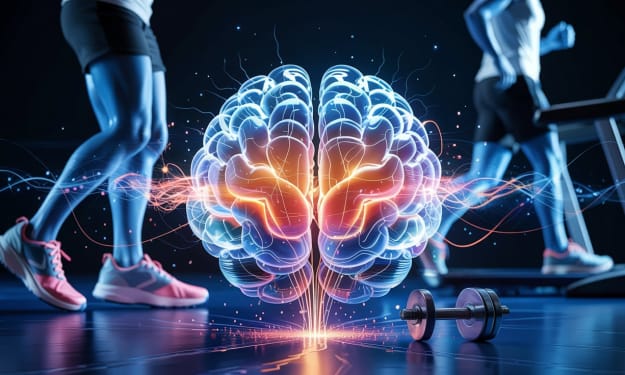
Exercise Protects Memory: A Breakthrough in Cognitive Health and Brain Function. Content Warning.
Maintaining cognitive health as we age is one of the most pressing concerns for both medical professionals and individuals alike. As conditions like Alzheimer's disease and other forms of dementia become increasingly common, finding ways to protect and preserve brain function is more important than ever. A recent groundbreaking study by researchers at the University of Missouri-Columbia has revealed a compelling link between physical exercise and improved cognitive function, even when the brain lacks the usual energy sources it relies on. This discovery suggests that exercise may be a crucial factor in protecting memory and brain function, even in the absence of adequate fuel from the body. The Science Behind the Study The research, led by experts in neuroscience, set out to explore how the brain manages its energy sources and how physical exercise might impact brain function, particularly memory, when those energy sources are depleted. Under normal conditions, the brain relies on glucose as its primary energy source, and in certain situations, such as fasting or ketogenic diets, it switches to using ketones, which are produced by the liver. However, the study found that when ketone levels in the body are low—either due to metabolic disorders or liver issues—the brain struggles to maintain optimal cognitive function, which can result in memory impairments and decreased learning ability. This phenomenon is especially concerning for people with conditions like Alzheimer's, where metabolic dysfunction often occurs, further impacting brain health. Incredibly, the study showed that even when ketone levels were insufficient, physical exercise could still protect and preserve memory function. This discovery is a game-changer for individuals with metabolic dysfunction or those at risk of neurodegenerative diseases. The research suggests that exercise triggers alternative mechanisms in the brain that help to counterbalance the lack of ketones, thereby protecting cognitive health. How Exercise Helps the Brain The central question this study addresses is: *How can exercise protect memory and cognition in the absence of energy sources like ketones?* The answer lies in the brain’s remarkable ability to adapt to different energy conditions. When we engage in physical exercise, our bodies release a variety of proteins and hormones that not only support muscle function but also stimulate the brain. Among these molecules, BDNF (Brain-Derived Neurotrophic Factor) plays a key role in promoting the growth and maintenance of neurons. BDNF is essential for cognitive function, memory formation, and neuroplasticity—the brain's ability to reorganize itself by forming new neural connections. Exercise also increases blood flow to the brain, delivering oxygen and nutrients that are crucial for brain health. This improved circulation helps clear out waste products from brain cells, reducing the buildup of toxic substances that are linked to neurodegenerative diseases like Alzheimer's. Moreover, regular physical activity has been shown to reduce inflammation, another factor that contributes to cognitive decline. The Connection Between Exercise and Alzheimer’s Disease Alzheimer's disease, one of the most common causes of dementia, is associated with the accumulation of abnormal proteins in the brain, particularly beta-amyloid plaques. These plaques disrupt communication between brain cells and contribute to memory loss and cognitive dysfunction. While there is no cure for Alzheimer's, a growing body of evidence suggests that physical activity can play a critical role in slowing its progression. According to the University of Missouri-Columbia study, exercise helps by improving the brain’s ability to cope with the energy shortages that often accompany neurodegenerative diseases. In fact, the research highlights the importance of physical activity as a preventive measure, especially for individuals at risk of Alzheimer's and other memory-related disorders. By enhancing brain function and supporting neuroplasticity, exercise could potentially delay the onset of Alzheimer's or mitigate its symptoms. Additionally, exercise has been found to increase the production of neurotransmitters like serotonin and dopamine, which are critical for mood regulation and cognitive function. These neurochemicals not only help improve mood but also enhance learning and memory processes, further cementing the link between physical activity and brain health. Exercise as a Tool for Cognitive Protection One of the key takeaways from this study is that exercise can serve as an effective and accessible tool for cognitive protection, even when the body is not producing enough ketones. This finding has important implications for individuals with metabolic disorders, those who struggle with obesity, or anyone experiencing cognitive decline due to aging or chronic illness. The beauty of this research lies in its simplicity: exercise doesn't require specialized equipment or medication. It can be as simple as walking, running, cycling, or engaging in other forms of moderate physical activity. The more consistent the exercise routine, the greater the potential benefits for cognitive health. Incorporating regular exercise into daily life can also help combat some of the common factors that contribute to cognitive decline, such as poor sleep, stress, and sedentary behavior. Exercise has been shown to improve sleep quality, reduce anxiety, and increase overall energy levels, all of which contribute to better brain function and memory. The Role of Diet and Metabolism While the study emphasizes the benefits of exercise in the absence of ketones, it is also important to recognize the relationship between diet, metabolism, and brain health. For those seeking to maximize the benefits of exercise for cognitive protection, a balanced diet rich in nutrients that support brain function is essential. A diet that supports healthy brain aging includes foods rich in omega-3 fatty acids, antioxidants, vitamins, and minerals. Mediterranean-style diets, for example, have been linked to a reduced risk of Alzheimer's and other forms of dementia. Additionally, certain dietary patterns, such as intermittent fasting or a ketogenic diet, have been shown to encourage the production of ketones, providing an additional fuel source for the brain. Conclusion: The Future of Exercise and Brain Health The findings of the University of Missouri-Columbia study provide hope for individuals concerned about cognitive decline. They suggest that exercise is a simple yet powerful way to protect and preserve brain function, even in the absence of optimal energy sources. As the global population ages and the prevalence of Alzheimer’s and other cognitive diseases increases, the importance of regular physical activity as a preventive measure cannot be overstated. For those looking to improve their brain health, incorporating physical exercise into daily life is a practical and effective strategy. Whether it’s through walking, swimming, or weight training, engaging in regular physical activity can enhance cognitive function, improve memory, and potentially protect against neurodegenerative diseases. Ultimately, this research underscores the importance of a holistic approach to brain health—one that combines exercise, nutrition, and mental stimulation to create a strong foundation for long-term cognitive well-being.
By Tech Horizonsabout a year ago in Lifehack
How to Create a Seamless Patient Check-In Experience with Technology
In today’s healthcare landscape, patient expectations have shifted dramatically. No longer satisfied with long wait times and repetitive paperwork, patients now demand a faster, more convenient, and personalized experience, starting from the moment they walk through the door. One of the most impactful ways healthcare providers can meet these expectations is by transforming the check-in process using modern technology. Solutions like the Ultimate Dental Management System by Instacare help streamline front-desk operations, enabling a seamless digital check-in experience that not only reduces waiting times but also improves patient satisfaction, enhances data accuracy, and boosts overall clinic efficiency.
By Zuraiz Khanabout a year ago in Lifehack
Red curry wonton soup 🍲
🥟 Why This Recipe Will Become Your New Obsession Picture this: plump, silky wontons stuffed with juicy shrimp or pork, floating in a velvety coconut-red curry broth infused with zesty lemongrass, fiery chilies, and aromatic ginger. Each spoonful is a party of sweet, spicy, salty, and umami flavors plus, it’s ready in 30 minutes! Whether you’re a meal-prep pro, a fusion food fanatic, or just craving comfort, this dish is a game changer.
By Today Recipeabout a year ago in Lifehack
Why Consulting the Best Physiotherapist in Lucknow Can Speed Up Your Healing
When it comes to healing from an injury, surgery, or a chronic pain condition, physiotherapy can be one of the most crucial elements in regaining mobility, strength, and quality of life. Often underestimated, physiotherapy is not just a recovery tool—it is a science-backed, highly effective treatment strategy tailored to your body’s unique needs.
By Misha Sharmaabout a year ago in Lifehack
Best Neurosurgery Hospitals in Tirunelveli: Excellence in Brain and Spine Care
Neurosurgery, being an emergency medical branch treating the conditions of the brain, spinal cord, and peripheral nerves, calls for accuracy, state-of-the-art technology, and top-level expertise. Tirunelveli has one such apex neurosurgical treatment facility in the form of Sree Mookambika Medical College that ensures world-class therapy with patient-orientated attention.
By Sree Mookambikaabout a year ago in Lifehack