health
Health hacks for optimal performance; discover simple suggestions and habits to improve your life, body, mind and spirit.
The Dangers of Nicotine: Understanding the Risks and Consequences
Nicotine is a naturally occurring alkaloid found in the nightshade family of plants, primarily in tobacco. It is a stimulant and is the primary psychoactive compound in cigarettes, e-cigarettes, and other tobacco products. Nicotine is highly addictive and has a wide range of effects on the human body and mind.
By Programming Hub4 years ago in Lifehack
Navigating the Complex World of Eating Concerns and Body Image
Eating concerns and body image are closely related and can have a significant impact on an individual's mental and physical well-being. Eating disorders, such as anorexia, bulimia, and binge eating disorder, are serious health problems that require professional treatment. Negative body image can also lead to low self-esteem, depression, and an increased risk of developing an eating disorder.
By Programming Hub4 years ago in Lifehack
Building Resilience: Strategies for Coping with Stress and Adversity
Stress is a natural response of the body to any demand or threat. It is a normal part of life and can be beneficial in small doses, as it can help motivate and focus a person. However, when stress becomes chronic or overwhelming, it can have negative effects on physical and mental health.
By Programming Hub4 years ago in Lifehack
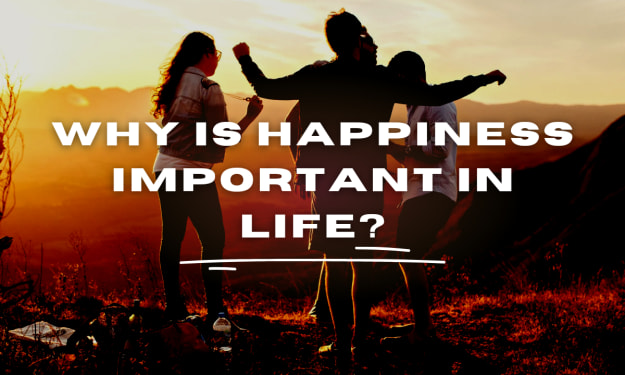
Why is happiness important in life?
Happiness is a feeling that is often described as a sense of contentment, satisfaction, and well-being. It is a state of mind that can be influenced by a variety of factors, including one's physical and emotional health, relationships, and overall life circumstances. But why is happiness so important in life? First and foremost, happiness is important because it is essential for overall well-being. When we are happy, we tend to be healthier, both physically and mentally. Studies have shown that people who report higher levels of happiness tend to have lower rates of heart disease, stroke, and other health problems. They also tend to have stronger immune systems and are less likely to develop common illnesses such as colds and flu. In addition to the physical benefits, happiness also has a positive impact on our mental health. Happy people are less likely to experience depression, anxiety, and other mental health issues. They tend to have better coping mechanisms for dealing with stress and are more resilient when faced with difficult situations. They also tend to have better self-esteem and a more positive self-image. Happiness is also important for our relationships. People who are happy tend to have stronger, more positive relationships with others. They are more likely to be supportive, caring, and empathetic, which helps to foster a sense of trust and connection with others. Happy people are also more likely to be able to resolve conflicts and build stronger, more resilient relationships. Moreover, happiness also plays a crucial role in our career and professional lives. Happy people tend to be more productive, more creative, and more successful in their careers. They tend to be more motivated, more focused, and more engaged in their work. They also tend to be more satisfied with their job and are less likely to experience burnout. Another aspect of why happiness is important in life is that it can lead to increased creativity and innovation. Research has shown that when people are in a positive mood, they are more likely to come up with new and unique ideas. They are also more open to taking risks and trying new things. This can be incredibly beneficial in both personal and professional settings, as it can lead to personal growth and advancement in one's career. Furthermore, happiness is also important because it can lead to improved decision-making. When we are happy, we tend to be more rational, logical and less impulsive. We are also less likely to procrastinate and more likely to take action towards achieving our goals. We are also more likely to be able to see the bigger picture and make more informed decisions that align with our values and overall well-being. Another important aspect of happiness is that it can lead to increased empathy and compassion towards others. When we are happy, we tend to be more open-minded and more likely to understand and relate to the perspectives of others. We are also more likely to be able to put ourselves in other people's shoes and to be more compassionate and understanding towards others. This can lead to stronger, more meaningful relationships, as well as a more harmonious and peaceful society. In addition, happiness can also lead to a greater sense of purpose and meaning in life. When we are happy, we tend to be more in tune with our values and priorities, which can help us to identify our passions and what is truly important to us. This can lead to a greater sense of purpose and meaning in life, as well as a more fulfilling and satisfying existence. Finally, happiness is important because it can lead to increased resilience and adaptability. When we are happy, we tend to be more optimistic and better able to bounce back from setbacks and challenges. We are also more likely to be able to adapt to changing circumstances and to view challenges as opportunities for growth and development. In summary, happiness is important because it is essential for overall well-being, both physically and mentally. It is also important for our relationships and our professional lives. By prioritizing our happiness, we can improve not only our own lives but also the lives of those around us. In conclusion, happiness is essential for our well-being and quality of life. It not only impacts our physical and mental health, relationships, career, and overall satisfaction with life but also allows us to be more creative, make better decisions, be more empathetic, find our purpose, and be more resilient. It is essential to focus on what makes us happy and strive to incorporate more of those things into our daily lives in order to live a fulfilling, meaningful existence.
By muhammadh ishfaq4 years ago in Lifehack
Mehendi
Mehndi, also known as henna, is a traditional art form that has been practiced for centuries in India, Pakistan, and other parts of the Middle East and North Africa. The practice involves using a paste made from the crushed leaves of the henna plant to create intricate designs on the skin, most commonly on the hands and feet.
By Rajeshwaran Selvam 4 years ago in Lifehack
How To Manage Hypertension?
How To Manage Hypertension? Are you pondering whether or not it is essential to take medication to treat your hypertension? Alterations to your lifestyle, such as diet and exercise, can also help bring your blood pressure under control.
By toneop 12artical4 years ago in Lifehack
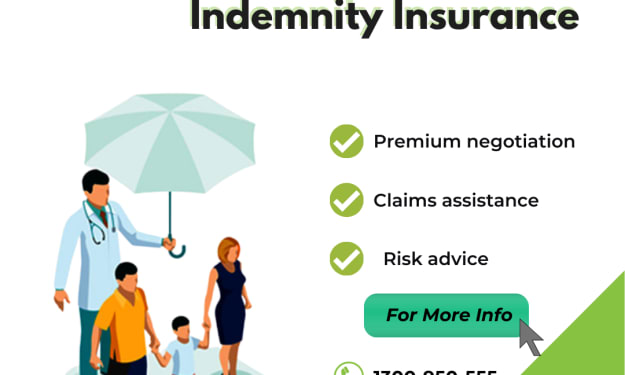
What Is The Biggest Advantage Of Medical Professional Indemnity Insurance?
Just like patients, doctors also need a professional indemnity (PI) insurance plan to safeguard them against legal costs and claims for compensation by patients. It is called medical professional indemnity insurance.
By MedicMall Australia4 years ago in Lifehack
GlucoSym Review
GlucoSym Review: How Does It Work? This medicine achieves its aims by adjusting the insulin response in the body and helping the digestive system absorb the calories that are consumed in a more effective manner. Both of these processes are necessary for weight loss.
By Omaej Ayomai4 years ago in Lifehack