health
Health hacks for optimal performance; discover simple suggestions and habits to improve your life, body, mind and spirit.
Bitter Gourd & Honey: The Natural Cure for Sugar and Blood Pressure
1. Introduction In a world dominated by processed foods, sedentary lifestyles, and increasing stress, two health problems have become widespread—diabetes and high blood pressure (hypertension). Modern medicine offers control, but nature offers healing.
By MANASEVA SAMITHIabout a year ago in Lifehack
The Secret World of Urban Foraging: Locating Food in the Concrete Forest
Foraging may conjure images of luscious woodlands, untamed berries, or perhaps a charming rural excursion while carrying a wicker basket. However, what if I told you that some of the most delicious, nourishing, and cost-free food is being grown in the city right in front of your eyes? Greetings from the unexpected realm of urban foraging, a burgeoning trend in which urban dwellers are unearthing the edible gems concealed in plain view. Urban foraging is changing the way we interact with our surroundings, our food, and even our neighbors by utilizing things like forgotten fruit trees and sidewalk weeds. Get ready for an adventure through the concrete jungle, where the rewards are as surprising as they are delightful. Urban Foraging: What Is It? The practice of collecting edible, wild plants, fruits, and herbs that grow naturally in urban settings is known as urban foraging. Imagine wild garlic hidden in alleyways, mulberries hanging over park fences, or dandelions growing through sidewalk cracks. As people look for sustainable, hyper-local food sources, this ancient practice is making a resurgence in cities across the globe. Foragers are more than just survivalists or hippies; they are also chefs, environmentalists, inquisitive foodies, and regular people trying to reestablish a connection with nature in areas where it doesn't seem likely to flourish.The accessibility of urban foraging is what makes it so appealing. You only need a sharp eye, some knowledge, and an openness to exploring; you don't need a farm or a forest. However, there are some difficulties. The City's Unexpected Bounty What could possibly grow in a city that is edible, you ask? There is more to the answer than you might think. Edible plants abound in urban settings, many of which are disregarded as "weeds" or decorative vegetation. A few prominent figures in the urban foraging scene are as follows: Dandelions: The epitome of urban foraging are these bright yellow blossoms. Dandelions are completely edible and can be found in parks, abandoned lots, and even your neighbor's overgrown lawn. You can roast the roots to make a coffee-like beverage, the leaves to make a peppery salad green, and the flowers? They go well with homemade fritters or wine. Mulberries: You've probably come across a mulberry tree if you've ever passed beneath one and seen purple stains on the sidewalk. Cities like New York, Chicago, and Los Angeles are home to an abundance of these juicy, sweet berries, which are frequently grown on public property and are available for free. Purslane: This succulent "weed" grows well in parking lots and cracks in sidewalks. In salads or stir-fries, its crisp, lemony flavor and abundance of omega-3 fatty acids make it a chef's dream.In urban green spaces, look for the distinctive green shoots of wild garlic and onions. They give any dish a strong flavor boost, and people who aren't familiar with them frequently confuse them for grass. Fruit Trees on Public Land: Apples, pears, and figs are just a few examples of the fruit trees that have been planted in parks or along streets in many cities over the years. Foragers can usually take advantage of these as long as they abide by local regulations. The variety of urban edibles is astounding, and discovering something new is like learning a secret the city didn't want you to know. The true magic, however, occurs when you begin to perceive your environment in a new way. That empty lot serves as a pantry in addition to being an eyesore. That median strip that's overgrown? A feast in the making. The Allure of Urban Foraging Urban foraging is a way of thinking, not just a way to get free food. Foraging forces you to confront your surroundings in a world where supermarkets rule and food production seems disjointed. It serves as a reminder that nature endures even in the most unlikely settings. Here's why it's winning over people's hearts and palates: Sustainability: The best low-carbon food source is foraging. It doesn't need industrial agriculture, packaging, or shipping. You're lessening your ecological footprint and waste by eating what's already there. Building Communities: Conversations are frequently sparked by foraging. It creates connections in frequently isolated urban environments, whether it's exchanging advice with another forager or giving a neighbor a jar of homemade dandelion jam. Benefits to Health: Wild plants are frequently nutrient-dense. For instance, dandelions are high in vitamins A, C, and K, and purslane contains more omega-3s than many fish. Additionally, foraging encourages movement, exploration, and outdoor time. Exploration and Adventure: Every excursion is a treasure hunt. You may discover wild mint in a community garden or a fig tree behind a library. Half the fun is in the uncertainty. Overcoming the Obstacles There are a few things to consider before you pick up a baske
By Umair Khanabout a year ago in Lifehack
Burning, Discharge, or Sores Below the Belt? Don’t Ignore These Signs of Male Reproductive Infections
When 35-year-old Mark noticed a strange burning sensation while urinating and some sticky discharge on his underwear, he brushed it off as “probably just a mild irritation.” A week later, he was rushing to the bathroom every hour, and his groin was red, itchy, and sore. What started as a small discomfort turned into a serious infection that needed medical attention.
By Jane Smithabout a year ago in Lifehack
Overcoming Anxiety: A Day-in-My-Life Exercise Routine That Works
Before the sun rose, my mind was already racing: deadlines, doubts, overthinking everything I said yesterday. My chest felt tight. My breath was shallow. And getting out of bed felt like dragging a mountain.
By Hilal Hussainabout a year ago in Lifehack
The Power Of Positive Thinking... AI-Generated.
starting your weekend, with a really positive vibe Many people find it challenging to shift from a busy workweek to a relaxed weekend mindset, but you can easily set a positive tone for your days off. By intentionally choosing uplifting activities, surrounding yourself with encouraging people, and practicing gratitude, you create an environment that fosters happiness and rejuvenation. Your weekend can become a powerful time to recharge and boost your overall well-being, helping you return to your routine with greater energy and enthusiasm. Understanding how to cultivate this positive vibe is a valuable skill that benefits both your mental and emotional health.
By Kenneth MacLeanabout a year ago in Lifehack
How to Find Emergency Water Damage Repair in LA
Imagine waking up to find your living room flooded, furniture soaked, and walls stained. Water damage can wreak havoc on your home, leading to costly repairs and health risks from mold growth. If you’re in LA, knowing how to find emergency water damage repair in Los Angeles is crucial in minimizing damage and restoring your property quickly. Homeowners and renters alike will benefit from understanding the key steps to take when disaster strikes. This guide will walk you through identifying reputable restoration companies that offer 24/7 services, ensuring their technicians are qualified, and checking for insurance partnerships. Additionally, we’ll discuss the importance of advanced water removal technologies and how online reviews can provide insight into a company’s track record. With this information, you can confidently choose the right experts to tackle your water damage crisis and protect your home.
By Michel Tomabout a year ago in Lifehack
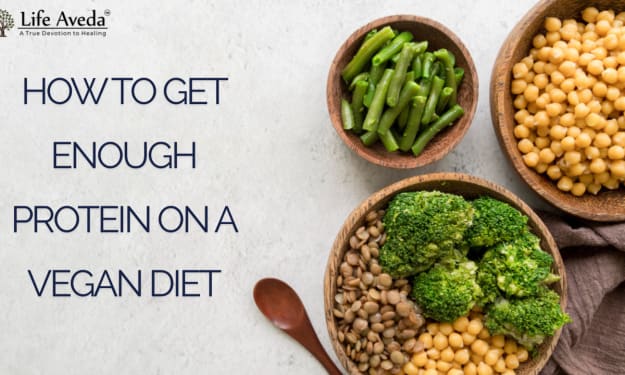
How to Get Enough Protein on a Vegan or Plant-Based Diet. AI-Generated.
Transitioning to a vegan or plant-based lifestyle is a potent life choice for one's health, the environment, and for ethical reasons. But perhaps one of the most prevalent concerns people have in making this transition is whether or not they are consuming enough protein. For non-vegans, protein typically derives from animal sources such as meat, eggs, or milk. For plant-based consumers, it requires just a little more mindfulness and intentionality to ensure adequate protein from sources that are purely plant-based.
By Life Avedaabout a year ago in Lifehack