health
Health hacks for optimal performance; discover simple suggestions and habits to improve your life, body, mind and spirit.
Important things that all smokers need to know
Smoking can damage your lungs in many ways and increase your risk for several lung diseases. Smoking is the leading cause of lung cancer, and it also contributes to the development of chronic obstructive pulmonary disease (COPD), emphysema, and chronic bronchitis.
By Mindy@meilin4 years ago in Lifehack
Top 5 Must-have Smart Kitchen Appliances and Gadgets
The kitchen is an essential part of any home, and having the right appliances and gadgets can make cooking and preparing meals a more enjoyable and efficient experience. Over the years, the kitchen has become a hub of innovation, with a range of appliances and gadgets being developed to help make our lives easier. With the rise of technology, smart kitchen gadgets have also emerged, which can be controlled and monitored remotely through smartphones or voice-activated devices. In this modern era, having the must-have kitchen appliances and gadgets is not just a matter of convenience, but it also ensures that you can prepare delicious meals efficiently and with precision. This article will explore some of the essential kitchen appliances and gadgets that every home chef should consider investing in.
By Sachithra Munasinghe4 years ago in Lifehack
The Importance of Sleep: How to Get Quality Rest for a Productive Day
Sleep is an essential part of our daily routine that is often taken for granted. Getting quality sleep is crucial for overall health and well-being, and can have a significant impact on productivity, mood, and cognitive function. In this article, we'll explore the importance of sleep, the benefits of getting quality rest, and tips for improving sleep habits to ensure a productive day. Part 1: The Importance of Sleep Physical Health Benefits Sleep plays a crucial role in physical health, as it is the time when our bodies repair and rejuvenate themselves. Adequate sleep has been linked to a reduced risk of chronic diseases, including heart disease, diabetes, and obesity. Mental Health Benefits Sleep also has a significant impact on mental health. Lack of sleep can lead to increased stress, anxiety, and depression, while getting enough quality rest can improve mood and overall well-being. Cognitive Function Sleep is also essential for cognitive function, including memory consolidation and learning. Getting enough quality sleep can improve attention, problem-solving skills, and creativity. Part 2: The Benefits of Getting Quality Sleep Improved Productivity Getting enough quality sleep can improve productivity by reducing fatigue and increasing alertness. This can help us focus and stay on task throughout the day. Enhanced Athletic Performance Quality sleep is essential for athletic performance, as it plays a crucial role in muscle recovery and growth. Getting enough rest can improve endurance, reaction time, and coordination. Boosted Immune System Sleep also plays a crucial role in the immune system, as it is the time when the body produces cytokines, proteins that help fight infection and inflammation. Part 3: Tips for Improving Sleep Habits Stick to a Regular Sleep Schedule Going to bed and waking up at the same time every day can help regulate the body's internal clock, making it easier to fall asleep and wake up feeling rested. Create a Relaxing Sleep Environment Creating a relaxing sleep environment, such as keeping the bedroom cool and dark, can help promote restful sleep. Avoid using electronic devices in bed, as the blue light can disrupt sleep patterns. Establish a Relaxing Bedtime Routine Establishing a relaxing bedtime routine, such as taking a warm bath or reading a book, can help signal the body that it's time to sleep and promote restful sleep. Limit Stimulants Avoiding stimulants, such as caffeine and nicotine, before bedtime can help promote restful sleep. Alcohol should also be limited, as it can disrupt sleep patterns. Exercise Regularly Regular exercise can help improve sleep quality by reducing stress and anxiety, promoting relaxation, and increasing overall physical health. Part 4: Additional Tips for Improving Sleep Habits Manage Stress Stress can make it difficult to fall asleep and stay asleep. Managing stress through relaxation techniques, such as deep breathing exercises or meditation, can help promote restful sleep. Avoid Late-Night Eating Eating late at night can disrupt sleep patterns, as the body is focused on digesting food instead of resting. Avoid eating large meals or snacks close to bedtime. Invest in a Comfortable Mattress and Pillows A comfortable mattress and pillows can make a significant difference in sleep quality. Choose a mattress and pillows that support your sleeping position and preferences. Seek Professional Help if Needed If you have persistent sleep problems, such as insomnia or sleep apnea, it's important to seek professional help. Your healthcare provider can recommend treatment options to improve sleep quality. Part 5: The Consequences of Poor Sleep Reduced Cognitive Function Lack of sleep can lead to reduced cognitive function, including memory problems, difficulty concentrating, and impaired decision-making. Increased Risk of Chronic Diseases Poor sleep has been linked to an increased risk of chronic diseases, including heart disease, diabetes, and obesity. Mood Disorders Lack of sleep can lead to increased irritability, mood swings, and depression. Increased Risk of Accidents Fatigue from poor sleep can increase the risk of accidents, particularly in activities that require alertness, such as driving Part 6: How to Recognize When You Need More Sleep It's important to recognize the signs that you may need more sleep. Some common signs include: Feeling tired throughout the day Struggling to concentrate or stay focused Feeling irritable or moody Falling asleep quickly or frequently nodding off during the day Waking up frequently during the night or having trouble falling asleep Feeling anxious or stressed If you're experiencing any of these symptoms, it may be time to evaluate your sleep habits and make changes to improve your sleep quality. Part 7: Frequently Asked Questions How much sleep do I need? The amount of sleep needed varies by age and individual, but most adults need 7-9 hours of sleep per night. What can I do if I have trouble falling asleep? Try relaxation techniques such as deep breathing or meditation. Avoid screens and bright lights before bed, and create a comfortable sleep environment. How can I improve my sleep quality? Practice good sleep hygiene by establishing a consistent sleep schedule, creating a relaxing bedtime routine, and avoiding stimulating activities before bed. Invest in a comfortable mattress and pillows, and make sure your sleep environment is cool and dark. What should I do if I have persistent sleep problems? If you have persistent sleep problems, it's important to talk to your healthcare provider. They can recommend treatment options or refer you to a sleep specialist if necessary. Part 8: Resources for Better Sleep There are many resources available to help improve sleep quality. Here are a few: National Sleep Foundation - A nonprofit organization that provides education and resources on sleep health. Sleep Cycle - A mobile app that tracks sleep patterns and provides personalized recommendations for improving sleep quality. Sleepio - An online program that uses cognitive behavioral therapy to improve sleep habits. The Sleep Doctor - A website run by a board-certified sleep specialist that provides education and resources on sleep health. Your Healthcare Provider - Your healthcare provider can provide personalized recommendations for improving sleep quality and refer you to a sleep specialist if necessary. Part 9: Conclusion Sleep is an essential aspect of overall health and well-being. By prioritizing good sleep habits, we can improve our productivity, mood, and cognitive function. Poor sleep habits can have negative consequences, but by following the tips and resources outlined in this article, we can ensure a good night's sleep and a healthier life. Remember, sleep is not a luxury - it's a necessity.
By ezhil nilavan4 years ago in Lifehack
The Benefits of Exercise: How Physical Activity Boosts Your Wellbeing
Regular exercise is one of the most powerful tools we have for improving our physical and mental health. Whether you're looking to lose weight, reduce stress, or simply feel better in your body, exercise can help. In this article, we'll explore the many benefits of exercise and how you can incorporate it into your daily routine. Physical Benefits of Exercise Weight Management One of the most well-known benefits of exercise is weight management. When we exercise, we burn calories, which can help us maintain a healthy weight. Regular exercise can also help prevent weight gain and reduce the risk of obesity, a major risk factor for many chronic diseases. Cardiovascular Health Exercise is great for the heart and cardiovascular system. It can improve circulation, lower blood pressure, and reduce the risk of heart disease and stroke. Aerobic exercise, such as jogging, cycling, or swimming, is especially beneficial for cardiovascular health. Stronger Muscles and Bones Exercise is essential for building and maintaining strong muscles and bones. Weight-bearing exercises, such as running, jumping, or weight lifting, can help increase bone density and reduce the risk of osteoporosis, a condition that weakens bones and increases the risk of fractures. Improved Balance and Coordination Exercise can also improve balance and coordination, which can reduce the risk of falls and injuries, especially in older adults. Activities such as yoga, tai chi, or dance can be especially helpful for improving balance and coordination. Reduced Risk of Chronic Diseases Regular exercise has been shown to reduce the risk of many chronic diseases, including type 2 diabetes, cancer, and Alzheimer's disease. Exercise helps improve insulin sensitivity, reduce inflammation, and boost the immune system, all of which can lower the risk of chronic disease. Mental Benefits of Exercise Reduced Stress and Anxiety Exercise is a great stress reliever. It can help reduce feelings of anxiety and depression, improve mood, and increase feelings of happiness and wellbeing. Exercise can also help reduce cortisol, the hormone associated with stress, and increase endorphins, the "feel-good" chemicals in the brain. Improved Cognitive Function Regular exercise has been shown to improve cognitive function, including memory, attention, and executive function. Exercise can also help reduce the risk of cognitive decline and dementia, especially in older adults. Better Sleep Exercise can help improve sleep quality and reduce insomnia. It can also help regulate the circadian rhythm, the internal clock that regulates sleep-wake cycles. Exercise is especially helpful for improving sleep in people with insomnia or sleep disorders. Increased Self-Esteem Exercise can boost self-esteem and confidence. When we exercise, we feel more capable and accomplished, which can improve our overall sense of self-worth. Exercise can also improve body image, especially when combined with healthy eating habits. Increased Brain Power Exercise can help increase brain power and creativity. When we exercise, we increase blood flow to the brain, which can improve cognitive function and creativity. Exercise can also improve the ability to focus and concentrate, which can be especially helpful for work or school. How to Incorporate Exercise into Your Routine Now that we know the many benefits of exercise, how can we incorporate it into our daily routine? Here are some tips: Set Realistic Goals Start by setting realistic goals for yourself. This might include aiming for 30 minutes of exercise most days of the week, or simply taking a short walk during your lunch break. Setting realistic goals can help you stay motivated and avoid burnout. Choose Activities You Enjoy Exercise doesn't have to be a chore. Choose activities that you enjoy and look forward to, whether it's jogging, dancing, or playing a sport. Mixing up your routine can also keep things interestingand prevent boredom. Make it a Habit Consistency is key when it comes to exercise. Make it a habit by scheduling it into your day, just like you would any other appointment or task. This can help ensure that exercise becomes a regular part of your routine. Find a Workout Buddy Having a workout buddy can be a great way to stay motivated and accountable. You can encourage each other, share tips and advice, and even make exercise more fun by doing it together. Start Slowly and Progress Gradually If you're new to exercise or haven't been active in a while, it's important to start slowly and progress gradually. This can help prevent injury and avoid burnout. Begin with low-impact activities, such as walking or yoga, and gradually increase the intensity and duration over time. Listen to Your Body It's important to listen to your body and take rest days when you need them. Overtraining can lead to injury, burnout, and even a weakened immune system. Be sure to give your body the rest and recovery it needs to stay healthy and strong. Get Creative Exercise doesn't have to mean hitting the gym or going for a run. Get creative with your workouts by trying new activities, such as rock climbing, kayaking, or aerial yoga. This can help keep things interesting and prevent boredom. In conclusion, exercise has numerous physical and mental health benefits. From weight management and cardiovascular health to reduced stress and increased brain power, regular exercise can help us feel better in our bodies and minds. By setting realistic goals, choosing activities we enjoy, and making exercise a habit, we can incorporate it into our daily routine and reap the many benefits it has to offer
By ezhil nilavan4 years ago in Lifehack
Should You Try the EMFDEFENSE™ Negative Ions Sticker to Protect Yourself from EMR?
What is the EMFDEFENSE™ Negative Ions Sticker? The EMFDEFENSE™ Negative Ions Sticker is a small adhesive sticker that claims to protect against the harmful effects of electromagnetic radiation (EMR). It works by releasing negative ions, which are said to neutralize the positive ions emitted by electronic devices such as smartphones, laptops, and tablets.
By Health Sharing4 years ago in Lifehack
Mastering Your Mindset: A Pathway to Healing from Depression
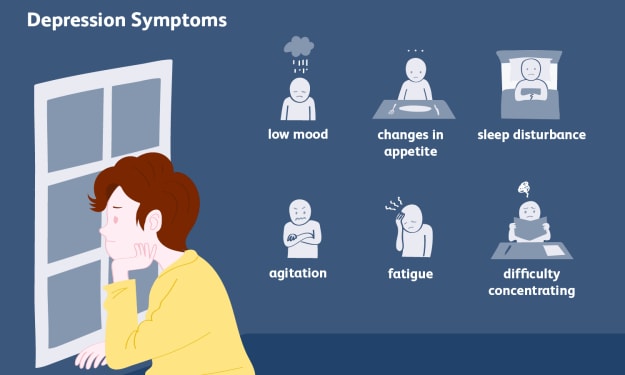
I. Introduction Millions of people around the world are impacted by depression, which is a significant mental health disorder. While there is no one-size-fits-all solution to overcoming depression, research suggests that developing a positive mindset can be an effective tool in managing symptoms and promoting recovery. In this article, we'll explore the key principles of mindset and how they relate to depression, as well as practical strategies for developing a more positive and resilient attitude. By learning about and practicing a positive mindset, individuals struggling with depression can learn to cope with stress and setbacks more effectively, build better relationships, and find greater meaning and purpose in life. Let's dive in!
By Rafeeq Ismail4 years ago in Lifehack
Keto Diet 101: What You Need to Know Before Getting Started
The ketogenic diet, or simply known as the keto diet, is a low-carbohydrate, high-fat diet that has become increasingly popular in recent years. The diet involves reducing carbohydrate intake and replacing it with healthy fats to induce a state of ketosis in the body. This article will discuss what the keto diet is and some of the potential benefits of following it.
By Health Sharing4 years ago in Lifehack
How to Stay Manly After 40, a Practical Guide
As men, we often face a challenge to maintain our masculinity as we age. With the many responsibilities that come with life, it can be easy to let go of our manliness and settle into a routine that's comfortable but lacking in vigor. However, it doesn't have to be this way. With the right mindset, tools, and techniques, you can stay manly after 40 and beyond. In this practical guide, we'll explore the steps you can take to maintain your manliness and become the best version of yourself.
By Scott Smith4 years ago in Lifehack