garden
Lifehack your way to a green thumb; shortcuts, money savers and clever growing tricks to achieve a perfect garden.
The Easy Ways for Beginners to Make Money Online Today
Introduction Are you tired of the traditional 9-5 work grind? Do you dream of making money from the comfort of your own home? You're not alone. With the rise of technology and the internet, more and more people are turning to online platforms to make a living. But for beginners, navigating this world can be overwhelming. That's why we've put together a list of easy and practical ways for beginners to make money online today. Get ready to ditch the cubicle and start earning from
By Khalid EL (Blue Hat)2 years ago in Lifehack
The day I choose peace over perfection
Perfection was my safety blanket. For as long as I could remember, I clung to it as though my worth depended on it—because, in many ways, I believed it did. I organized my life like a carefully choreographed performance. My mornings began with a to-do list sharper than most military routines. My clothes were sorted by color and season. My workspace gleamed. My Instagram was a highlight reel curated to resemble a lifestyle magazine spread. And people noticed. They called me “put-together,” “driven,” “inspiring.” I smiled and nodded while quietly panicking inside, worried that if even one thread came loose, the entire image would unravel. And then it did. It wasn’t a major crisis. No betrayal. No job loss. No headline-worthy catastrophe. It was a Tuesday—grey skies, light drizzle, just another ordinary day. I was doing laundry and failed to notice a single red sock buried in my pile of whites. When I opened the machine to find all my favorite shirts ruined with blotchy pink stains, I lost it. I sat down on the floor of the laundry room and cried. Over socks. Over shirts. But really, over everything. That tiny mishap shattered the illusion I had worked so hard to maintain. I wasn’t upset about the laundry. I was grieving the pressure, the exhaustion, the silent war I’d been waging with myself in the name of perfection. That night, something shifted in me. I stared at my stained clothes, now hanging limply on a drying rack, and I felt free. Not immediately, but quietly—like something had unlatched inside me. For the first time, I asked myself, “What if it’s okay to be messy?” That question changed everything. I started small. I let the bed stay unmade the next day. I skipped a workout and didn’t beat myself up over it. I shared a candid, unfiltered photo on social media without overthinking it. I left dishes in the sink and watched a movie instead of reorganizing my planner. Each act was a rebellion against the voice in my head that demanded flawlessness. As strange as it sounds, I began to find myself in the mess. The unedited, unscheduled, unpolished version of me turned out to be someone I liked more than the version who was always trying to impress. I realized that perfection had never protected me. It only kept me disconnected—from others, from joy, and most painfully, from myself. What I was really craving wasn’t admiration or control. I was craving peace. Peace doesn’t come when everything’s in its place. It comes when you stop trying to keep everything in its place. It’s in the pause between obligations. It’s in the quiet permission to not have it all together. It’s in the laughter when your plans go sideways. It’s in the grace you give yourself when you fall short and choose to try again anyway. And the more I chose peace—intentionally, imperfectly, and sometimes clumsily—the more it chose me back. I won’t pretend I’ve mastered this. I still have days where I itch to organize my chaos, to polish the edges of my life, to win the silent applause of people who may not even be watching. But I’ve learned to catch myself. I’ve learned to breathe. And most importantly, I’ve learned that there’s far more power in peace than there ever was in perfection. If you’re reading this and you’re tired—tired of pretending, of performing, of trying to be everything for everyone—consider this your permission slip to stop. Not forever. Just for today. Let something be undone. Let yourself be enough, even when you're not at your best. You might be surprised what happens when you choose peace over perfection. I was.
By The mindset journal by k'lari 2 years ago in Lifehack
30 Clever Hacks Grandma May Never Have Told You
30 Clever Hacks Grandma May Never Have Told You When Ella moved into her grandmother’s old farmhouse on the edge of Maple Hollow, she expected dust, creaky floorboards, and maybe a few forgotten tea cups. What she didn’t expect was a massive handwritten journal tucked behind a loose brick in the pantry, titled:
By Gabriela Tone2 years ago in Lifehack
Blooming Bags of Elder Hollow
The Blooming Bags of Elder Hollow In the sleepy village of Elder Hollow, nestled between silver-tipped hills and moss-covered stone fences, there lived a woman named Clara Thistle. She wasn’t the kind to turn heads or stir gossip—just the kind who waved at every passerby, who left sunflower seeds for finches, and who could coax a smile out of even the most stubborn neighbor with a simple sprig of lavender.
By Gabriela Tone2 years ago in Lifehack
Google Earnings Beat on Strong Margins. The Stock Is Rising.
Google's stock rose as a result of its beating earnings on strong margins. Google's parent company, Alphabet Inc., beat Wall Street's expectations with strong first-quarter results and sent its stock sharply higher. Margins were the most notable metric for the quarter, in addition to revenue and profit. The tech giant beat its earnings significantly due to its disciplined cost management and impressive operating efficiency. Results that exceeded expectations For the first quarter of 2025, Alphabet reported revenue of $80.5 billion, representing a 15% year-over-year increase and beating analyst forecasts of $78.2 billion. However, the highlight of the report was the company’s operating margin, which rose to 32%, up from 25% in the same quarter last year. This marked one of the most substantial year-over-year margin improvements in recent memory for the company.
By GLOBAL NEWS2 years ago in Lifehack
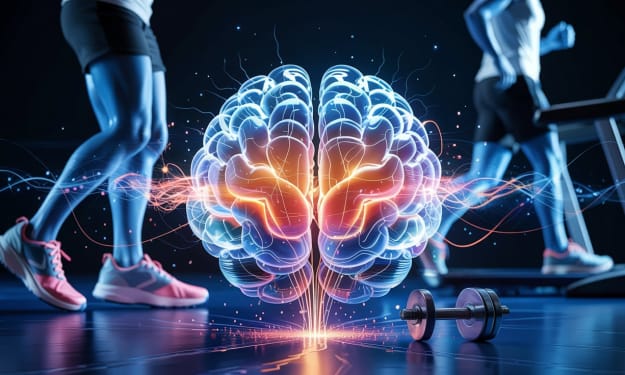
Exercise Protects Memory: A Breakthrough in Cognitive Health and Brain Function. Content Warning.
Maintaining cognitive health as we age is one of the most pressing concerns for both medical professionals and individuals alike. As conditions like Alzheimer's disease and other forms of dementia become increasingly common, finding ways to protect and preserve brain function is more important than ever. A recent groundbreaking study by researchers at the University of Missouri-Columbia has revealed a compelling link between physical exercise and improved cognitive function, even when the brain lacks the usual energy sources it relies on. This discovery suggests that exercise may be a crucial factor in protecting memory and brain function, even in the absence of adequate fuel from the body. The Science Behind the Study The research, led by experts in neuroscience, set out to explore how the brain manages its energy sources and how physical exercise might impact brain function, particularly memory, when those energy sources are depleted. Under normal conditions, the brain relies on glucose as its primary energy source, and in certain situations, such as fasting or ketogenic diets, it switches to using ketones, which are produced by the liver. However, the study found that when ketone levels in the body are low—either due to metabolic disorders or liver issues—the brain struggles to maintain optimal cognitive function, which can result in memory impairments and decreased learning ability. This phenomenon is especially concerning for people with conditions like Alzheimer's, where metabolic dysfunction often occurs, further impacting brain health. Incredibly, the study showed that even when ketone levels were insufficient, physical exercise could still protect and preserve memory function. This discovery is a game-changer for individuals with metabolic dysfunction or those at risk of neurodegenerative diseases. The research suggests that exercise triggers alternative mechanisms in the brain that help to counterbalance the lack of ketones, thereby protecting cognitive health. How Exercise Helps the Brain The central question this study addresses is: *How can exercise protect memory and cognition in the absence of energy sources like ketones?* The answer lies in the brain’s remarkable ability to adapt to different energy conditions. When we engage in physical exercise, our bodies release a variety of proteins and hormones that not only support muscle function but also stimulate the brain. Among these molecules, BDNF (Brain-Derived Neurotrophic Factor) plays a key role in promoting the growth and maintenance of neurons. BDNF is essential for cognitive function, memory formation, and neuroplasticity—the brain's ability to reorganize itself by forming new neural connections. Exercise also increases blood flow to the brain, delivering oxygen and nutrients that are crucial for brain health. This improved circulation helps clear out waste products from brain cells, reducing the buildup of toxic substances that are linked to neurodegenerative diseases like Alzheimer's. Moreover, regular physical activity has been shown to reduce inflammation, another factor that contributes to cognitive decline. The Connection Between Exercise and Alzheimer’s Disease Alzheimer's disease, one of the most common causes of dementia, is associated with the accumulation of abnormal proteins in the brain, particularly beta-amyloid plaques. These plaques disrupt communication between brain cells and contribute to memory loss and cognitive dysfunction. While there is no cure for Alzheimer's, a growing body of evidence suggests that physical activity can play a critical role in slowing its progression. According to the University of Missouri-Columbia study, exercise helps by improving the brain’s ability to cope with the energy shortages that often accompany neurodegenerative diseases. In fact, the research highlights the importance of physical activity as a preventive measure, especially for individuals at risk of Alzheimer's and other memory-related disorders. By enhancing brain function and supporting neuroplasticity, exercise could potentially delay the onset of Alzheimer's or mitigate its symptoms. Additionally, exercise has been found to increase the production of neurotransmitters like serotonin and dopamine, which are critical for mood regulation and cognitive function. These neurochemicals not only help improve mood but also enhance learning and memory processes, further cementing the link between physical activity and brain health. Exercise as a Tool for Cognitive Protection One of the key takeaways from this study is that exercise can serve as an effective and accessible tool for cognitive protection, even when the body is not producing enough ketones. This finding has important implications for individuals with metabolic disorders, those who struggle with obesity, or anyone experiencing cognitive decline due to aging or chronic illness. The beauty of this research lies in its simplicity: exercise doesn't require specialized equipment or medication. It can be as simple as walking, running, cycling, or engaging in other forms of moderate physical activity. The more consistent the exercise routine, the greater the potential benefits for cognitive health. Incorporating regular exercise into daily life can also help combat some of the common factors that contribute to cognitive decline, such as poor sleep, stress, and sedentary behavior. Exercise has been shown to improve sleep quality, reduce anxiety, and increase overall energy levels, all of which contribute to better brain function and memory. The Role of Diet and Metabolism While the study emphasizes the benefits of exercise in the absence of ketones, it is also important to recognize the relationship between diet, metabolism, and brain health. For those seeking to maximize the benefits of exercise for cognitive protection, a balanced diet rich in nutrients that support brain function is essential. A diet that supports healthy brain aging includes foods rich in omega-3 fatty acids, antioxidants, vitamins, and minerals. Mediterranean-style diets, for example, have been linked to a reduced risk of Alzheimer's and other forms of dementia. Additionally, certain dietary patterns, such as intermittent fasting or a ketogenic diet, have been shown to encourage the production of ketones, providing an additional fuel source for the brain. Conclusion: The Future of Exercise and Brain Health The findings of the University of Missouri-Columbia study provide hope for individuals concerned about cognitive decline. They suggest that exercise is a simple yet powerful way to protect and preserve brain function, even in the absence of optimal energy sources. As the global population ages and the prevalence of Alzheimer’s and other cognitive diseases increases, the importance of regular physical activity as a preventive measure cannot be overstated. For those looking to improve their brain health, incorporating physical exercise into daily life is a practical and effective strategy. Whether it’s through walking, swimming, or weight training, engaging in regular physical activity can enhance cognitive function, improve memory, and potentially protect against neurodegenerative diseases. Ultimately, this research underscores the importance of a holistic approach to brain health—one that combines exercise, nutrition, and mental stimulation to create a strong foundation for long-term cognitive well-being.
By Tech Horizons2 years ago in Lifehack
Smart Eyewear Choices: Prescription Sunglasses with Fast Delivery, Blue Light Glasses & Blue Ray Spectacles
In today’s always-connected world, our eyes are working overtime. Whether it’s screen time from work, digital entertainment, or daily outdoor exposure, eye strain and long-term damage have become common issues. That’s why having the right eyewear—delivered quickly and tailored to your needs—is more important than ever.
By Prescript glasses2 years ago in Lifehack
2025 Garden Decor Trends: Why Parasols Are the Statement Piece of the Year
As outdoor living continues to evolve, 2025 is shaping up to be the year where functional elegance takes center stage in garden design. Among the top contenders redefining garden spaces is the humble parasol—now reinvented as a style icon. Whether you're revamping a country garden or setting up a posh patio party, outdoor parasol are no longer just about shade—they’re an essential aesthetic element.
By Indian Tent Manufacturer2 years ago in Lifehack
Alphabet's Q1 earnings shattered analyst expectations, sending the stock soaring. Google's CEO credits its AI efforts.
Alphabet’s Q1 Earnings Shatter Expectations, Stock Soars on AI Momentum Alphabet Inc., the parent company of Google, reported blockbuster first-quarter earnings that far exceeded Wall Street expectations, sending its shares surging in after-hours trading. The tech giant's strong financial performance was largely due to its aggressive investments and strategic focus on artificial intelligence (AI), which are already showing significant results. Strong financial results Alphabet posted revenue of $80.5 billion for the first quarter of 2025, a 15% year-over-year increase, and well above analysts’ consensus estimates of $78.2 billion. From $15.1 billion in the same period last year, net income increased to $24.3 billion. Earnings per share came in at $1.89, exceeding the $1.51 forecast.
By GLOBAL NEWS2 years ago in Lifehack
10 Safety Enhancements from Professional Landscape Lighting
Outdoor environments take on new risks when the sun goes down. Once-reliable paths, entries, and gathering areas can become difficult to navigate or even dangerous without proper illumination. Unexpected injuries and blind spots increase in these conditions. Professional landscape lighting tackles these problems by improving visibility, establishing boundaries, and creating safer spaces that remain functional after dark.
By Piper Burch2 years ago in Lifehack